
CELL CULTURE
A Message from Our Chief Cell Culture Technologist
STEM CELLS
What Stem Cells Are, and the Growing Role of the Cell Culture Technologist

What exactly
are stem cells?
Within our bodies, in tissues such as skin and blood where individual cells are short-lived and constantly replaced, we have cells with the ability to generate and replenish the cells that are lost.
Cells with that ability are stem cells.
To be called a stem cell, two abilities are essential.
One is the ability to produce the many kinds of cell that make up our bodies — skin, red blood cells, platelets and so on (differentiation); the other is the ability to divide into cells with exactly the same abilities as itself (self-renewal).
Stem cells fall broadly into two types.
One continues to produce replacements for lost cells within a particular tissue or organ, as in skin or blood.
This type is called a tissue stem cell.
Tissue stem cells cannot become anything at all; their role is fixed. Hematopoietic stem cells produce blood cells, neural stem cells produce cells of the nervous system, and so on.
The other is the pluripotent stem cell, such as the ES cell (embryonic stem cell), which can produce any cell in our bodies.
In other words, pluripotent stem cells can also produce the various tissue stem cells within our bodies.
An iPS cell (induced pluripotent stem cell) is a pluripotent stem cell created artificially from an ordinary cell.
These properties of stem cells are being put to use in research into regenerative medicine — a new form of treatment that uses cells themselves as a medicine to treat injury and illness — and in research that recreates the state of cells outside the body to investigate how disease works.
Aging care
with cytokines from stem cell culture medium.
Stem cells produce proteins that promote cell proliferation and differentiation according to their environment.
These proteins are called cytokines.
Cytokines act as signalling substances between cells and play an important role in restoring function to damaged tissue and cells in the body 。
Cells communicate with one another, and a cell that receives a cytokine begins to act.
Aging occurs when tissue and cells in the body are damaged by various causes and that damage accumulates to the point where recovery is no longer complete.
Regenerating damaged tissue and cells and restoring lost function is a highly effective form of aging care.
By waking dormant cells with cytokines, a powerful aging-care effect is expected.
The growing role
of the stem cell culture technologist.
Stem cell culture is a technology attracting great expectations across drug development, regenerative medicine and other fields.
The settings that need cell culture technology in this field of great potential are wide-ranging, and the technologists who specialize in it are drawing attention.
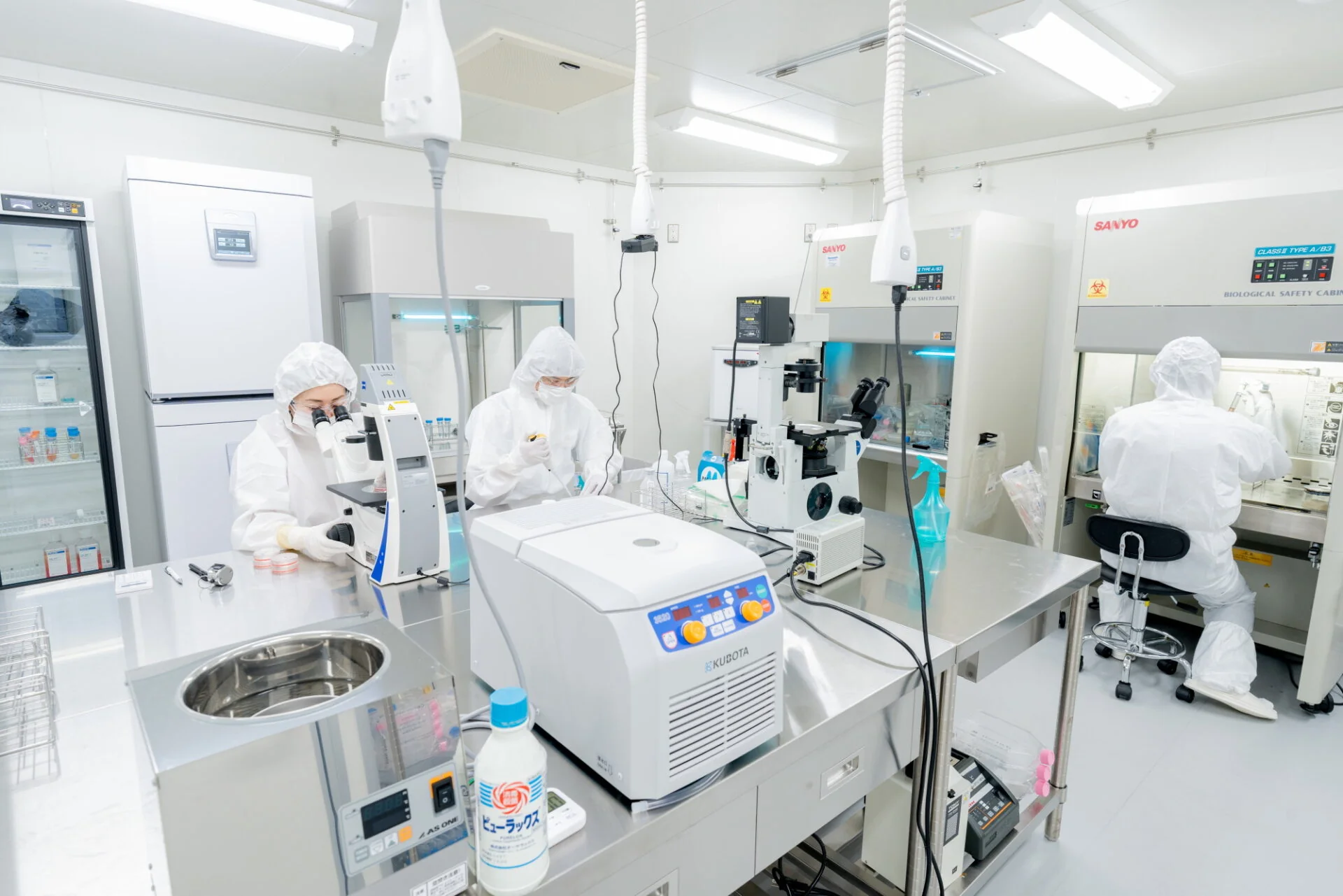
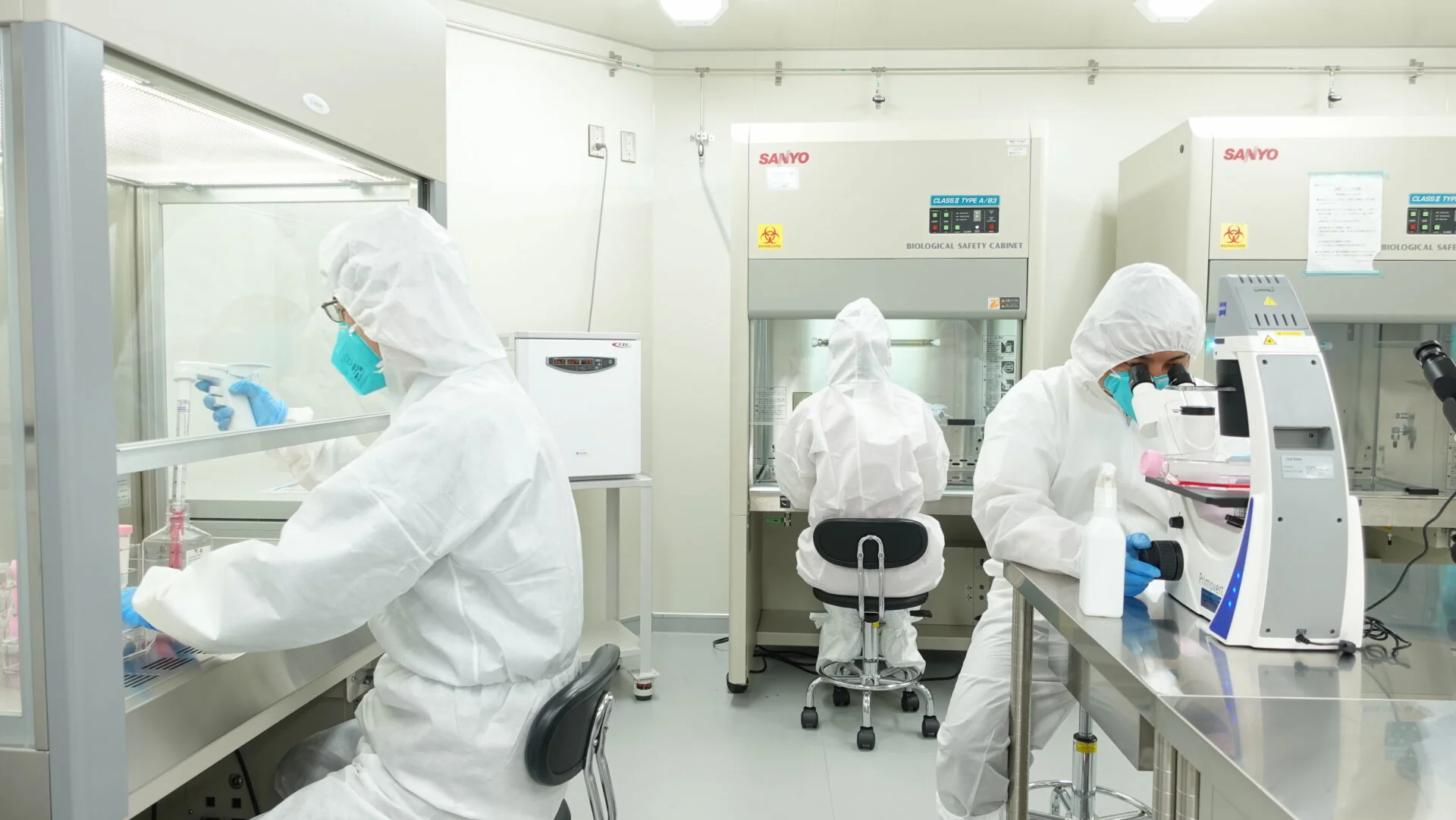
A cell culture technologist is a specialist who cultures stem cells for use in experiments and treatment in medicine and research.
Stem cells have a high capacity to differentiate into many kinds of cell, and great hopes rest on them in regenerative medicine and the development of new treatments.
The technology to culture stem cells is therefore one of the most important in medicine and the life sciences.
Specifically, a stem cell culture technologist carries out the full range of work required: preparing the medium for culture, optimizing culture conditions, regulating cell differentiation and proliferation, testing and analyzing cells, and managing the cultured cells.
Because stem cells behave differently from ordinary cells, the knowledge and skill to handle the technical difficulties of cell culture are also needed — removing abnormal cells that arise during culture, preventing infection, and so on.
A stem cell culture technologist needs deep specialist knowledge and skill in culture technique.
Those working as stem cell culture technologists have therefore studied the handling of stem cells and the fundamentals of cell culture at university or technical college, and built practical experience in laboratories, pharmaceutical companies and hospitals.
Let us hear about this increasingly prominent role from Yoshichika Yamaguchi, Chief Cell Culture Technologist at BiOStyle Clinic.
CHIEF CULTURIST
BiOStyle Clinic Chief Cell Culture Technologist
Yoshichika Yamaguchi
CHIEF CELL CULTURE TECHNOLOGIST
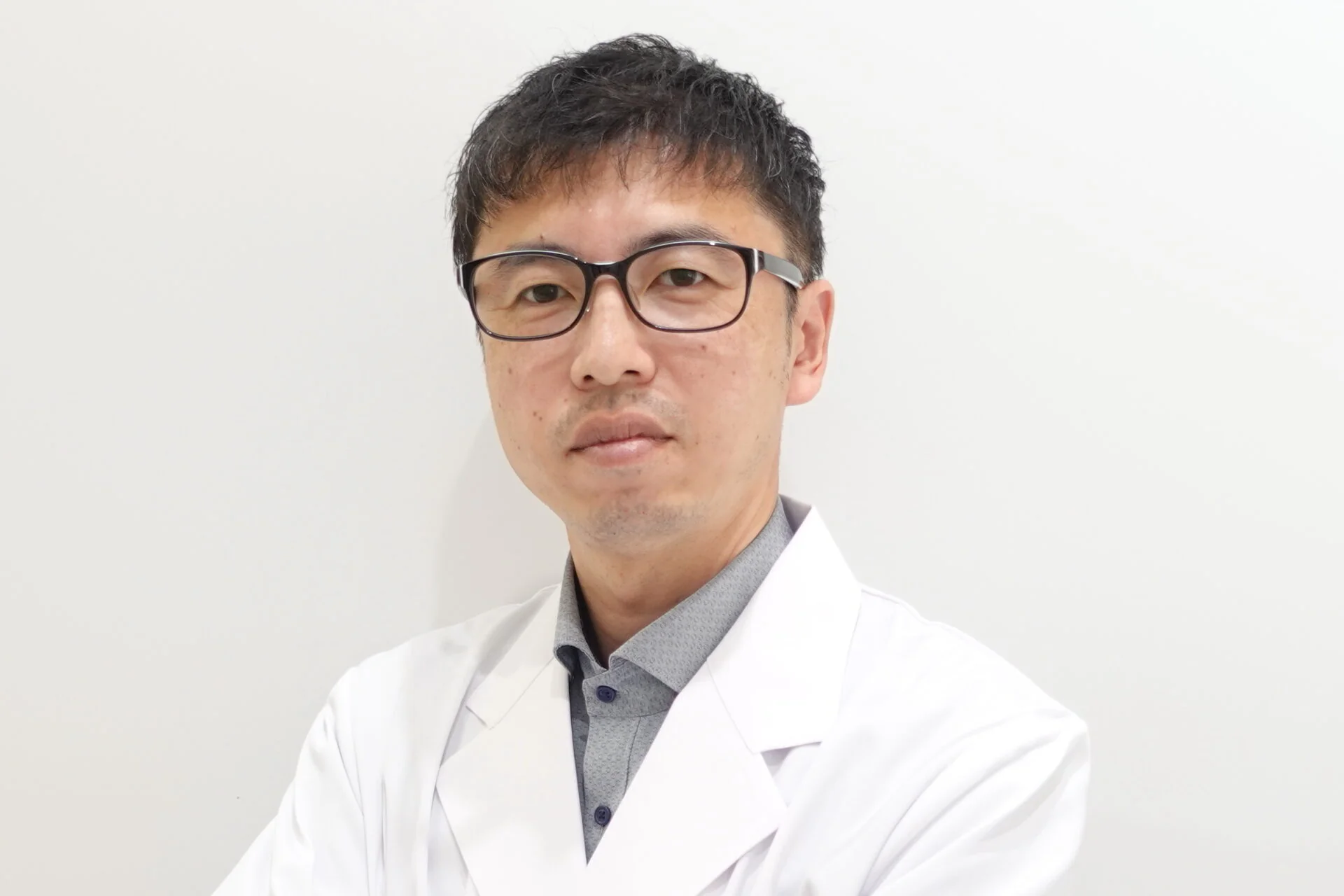
After working at the Kishimoto Institute of Medical Science, Tokiwa Hospital of the Tokiwakai Medical Corporation (Immunology Department, cell culture laboratory) and the Japan Culture Institute,
he now serves concurrently as Head of Culture Technology at SCC Lab Co., Ltd. and Chief Cell Culture Technologist at BiOSTYLE CLINIC.
INTERVIEW 01
What Led Me to This Work
Why did you choose to become a cell culture technologist?
I have loved living things since I was small, and at university I studied biotechnology and researched plant cells.
After graduating I worked in clinical testing at a major medical company. When I moved to a hospital that was recruiting a cell culture technologist, I took the chance to move into work I had long been interested in.
Since then I have worked on research into stem cell culture supernatant, drawing on my knowledge of cell culture to refine my technique.
I have been working as a cell culture technologist for about 13 years.
Treatment using culture supernatant derived from fat or dental pulp stem cells is the mainstream in this industry, but we are now researching new stem cell culture supernatants that can perform better by using cells from cord blood, amniotic membrane, placenta and bone marrow 。
INTERVIEW 02
The Difficulty of Culturing Stem Cells, and the Standards I Hold To
Culturing stem cells is said to be very difficult. Where does the difficulty lie?
The greatest difficulty in culturing stem cells is striking the balance between proliferation and differentiation 。
Cells are never in the same state; they differ between morning and evening, so things almost never go exactly to plan.
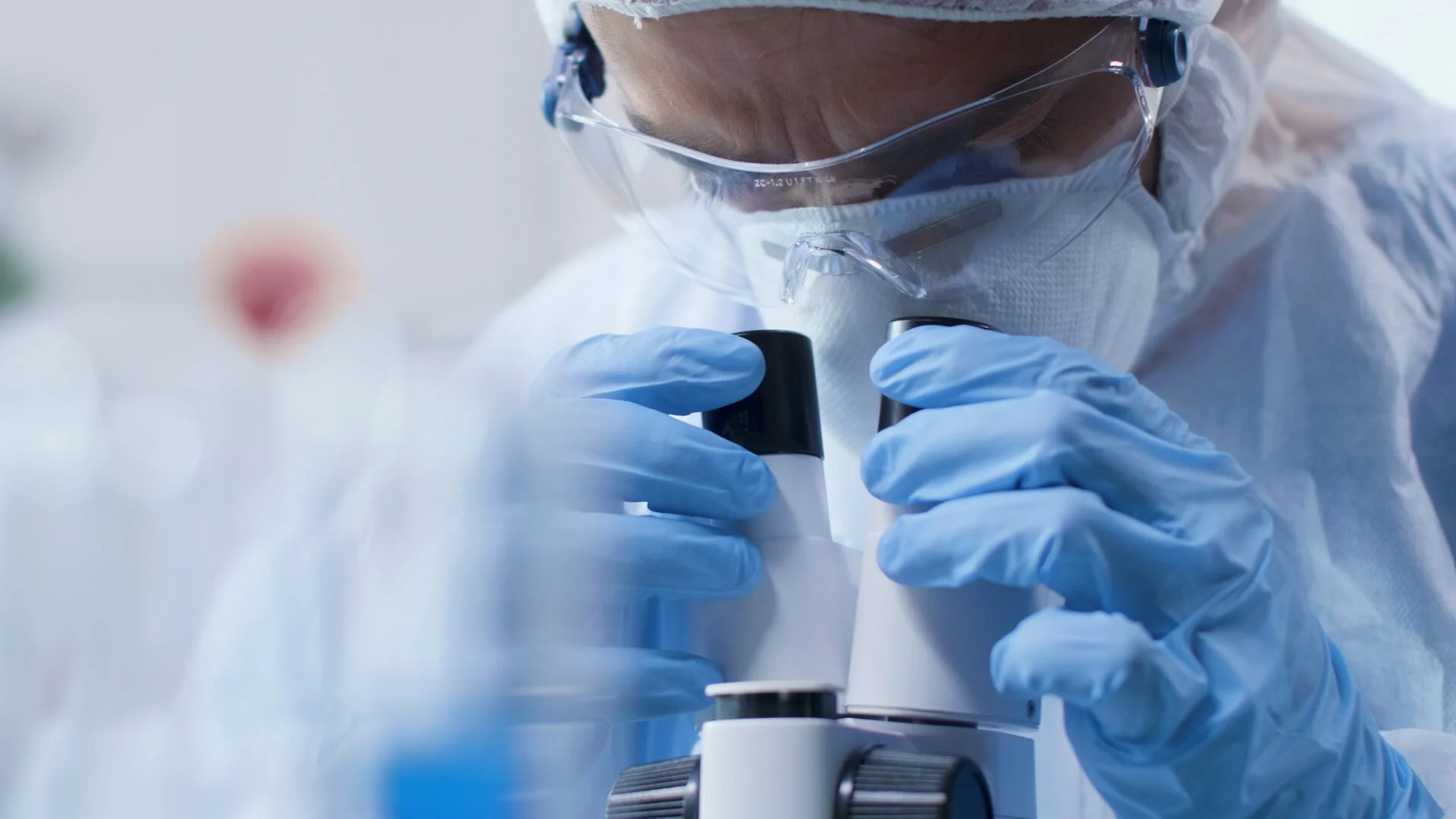
We therefore watch the shape of the cells under the microscope at all times, finely adjusting how much medium to add and when.
It takes more than knowledge and technique in cell culture; you have to keep learning the latest research and methods.
Tell us about the standards you hold to as a professional.
The cells we handle are ultimately used in a clinical setting, so very high quality is required.
Culture is therefore carried out under a strict quality management system, and the supernatant we provide must be assured for safety and efficacy.
I believe that culturing by hand with care, constantly checking the state and growth of the cells, and providing conditions suited to each is what makes it possible to produce supernatant of high quality 。
What about three-dimensional culture, which is attracting so much attention?
Three-dimensional culture is a technique that has drawn attention in recent stem cell research. Its greatest advantage is that cells gather into spherical clusters or sheets and can grow in a natural form.
Because it mimics an environment close to real tissue, cell function and behavior can be analyzed more accurately, and it forms the basis of the tissue engineering approach.
There are drawbacks, however: positioning cells accurately in three-dimensional space is difficult, and the diffusion of nutrients and oxygen becomes uneven between the surface and the interior of a cluster.
It therefore demands advanced skill from the technologist in adjusting a range of conditions appropriately — cell type, medium, support materials and more.
What moment in this work do you find most rewarding?
I find it rewarding to work on new research that may lead to treatments using stem cells.
The moments when I feel that our research may contribute to society in the future are deeply rewarding.
The most rewarding moment of all is
hearing an end user say they have recovered, thanks to stem cell culture supernatant made from cells I cultured.
INTERVIEW 03
On Cosmetics Containing Stem Cell Culture Supernatant
What is your view on the cosmetics containing stem cell culture supernatant that have drawn attention in recent years?
In cosmetics, stem cell culture supernatant is attracting the most attention of all.
This liquid contains cell growth factors, cytokines, enzymes, proteins and micronutrients, and is said to benefit skin quality and anti-aging.
It appears in a range of products — toners, serums, creams, masks — and is said to be particularly effective for skin elasticity, firmness and clarity.
That said, many products currently on sale do not state the concentration or the type, and there is a real chance they have not been stored well, so I am skeptical about their effect.
I think it is important to choose cosmetics that use technology to avoid direct sunlight and heat and humidity, which are what stem cell culture supernatant is least able to tolerate.
What should we be careful of in storing stem cell culture supernatant?
Stem cell culture supernatant is stored in two forms: liquid and freeze-dried.
The liquid form must be kept refrigerated 。
It keeps for only a short time and is easily affected by temperature change and light, so buy from a supplier you trust, store it away from direct sunlight, heat and humidity, and use it up promptly once opened.
In freeze-dried form the proteins are stable and it can be stored at room temperature for long periods, which makes it valuable in research and product development 。
INTERVIEW 04
What Lies Ahead for Stem Cell Culture Supernatant
How do you see the future of stem cell culture supernatant?
Stem cell culture supernatant is expected to find application across many areas of medicine.
In aesthetic medicine it is used for regenerating and rejuvenating skin and hair and for treating wounds, and research into treatments in regenerative medicine is advancing too.
In which areas of medicine specifically is it expected to be applied?
It is expected, for example, to be used in regenerative medicine for conditions such as myocardial infarction and stroke.
Application to the treatment of arthritis and liver disease is also anticipated.
It is further expected to be put to use in cancer treatment and immunotherapy.
How is treatment carried out at medical facilities?
Stem cell culture medium can be administered intravenously or subcutaneously, and I recommend subcutaneous injection.
Intravenous administration raises metabolism sharply and tends to cause fever, so subcutaneous injection produces an effect more readily.
Subcutaneous injection is less painful than intramuscular injection and is absorbed more slowly, but because the preparation stays in place, temporary swelling can occur.
Could you tell us more about applications in beauty?
Because stem cell culture supernatant contains components found nowhere else, it can be expected to deliver benefits beyond those of conventional cosmetics.
It promotes skin turnover to improve pigmentation and wrinkles, and calms inflammation while encouraging regeneration to raise the skin's healing capacity — which is why it has drawn attention in recent years.
In short, stem cell culture supernatant is a component of great potential in both medicine and beauty.
Developing and using it, however, requires advanced technical capability and thorough research, and effort toward assuring safety and efficacy is essential.
Chief Cell Culture Technologist, BiOSTYLE CLINIC Yoshichika Yamaguchi