

REGENERATIVE
MEDICINE
Autologous stem cell culture therapy
ABOUT
About Autologous Stem Cell Culture Therapy
Your own cells
bring you back.
Autologous stem cell culture therapy is regenerative medicine in which stem cells collected from your own adipose tissue are cultured, expanded, and returned to the body by IV drip.
Stem cells have a property known as "homing", actively travelling to sites of tissue damage and promoting their repair.
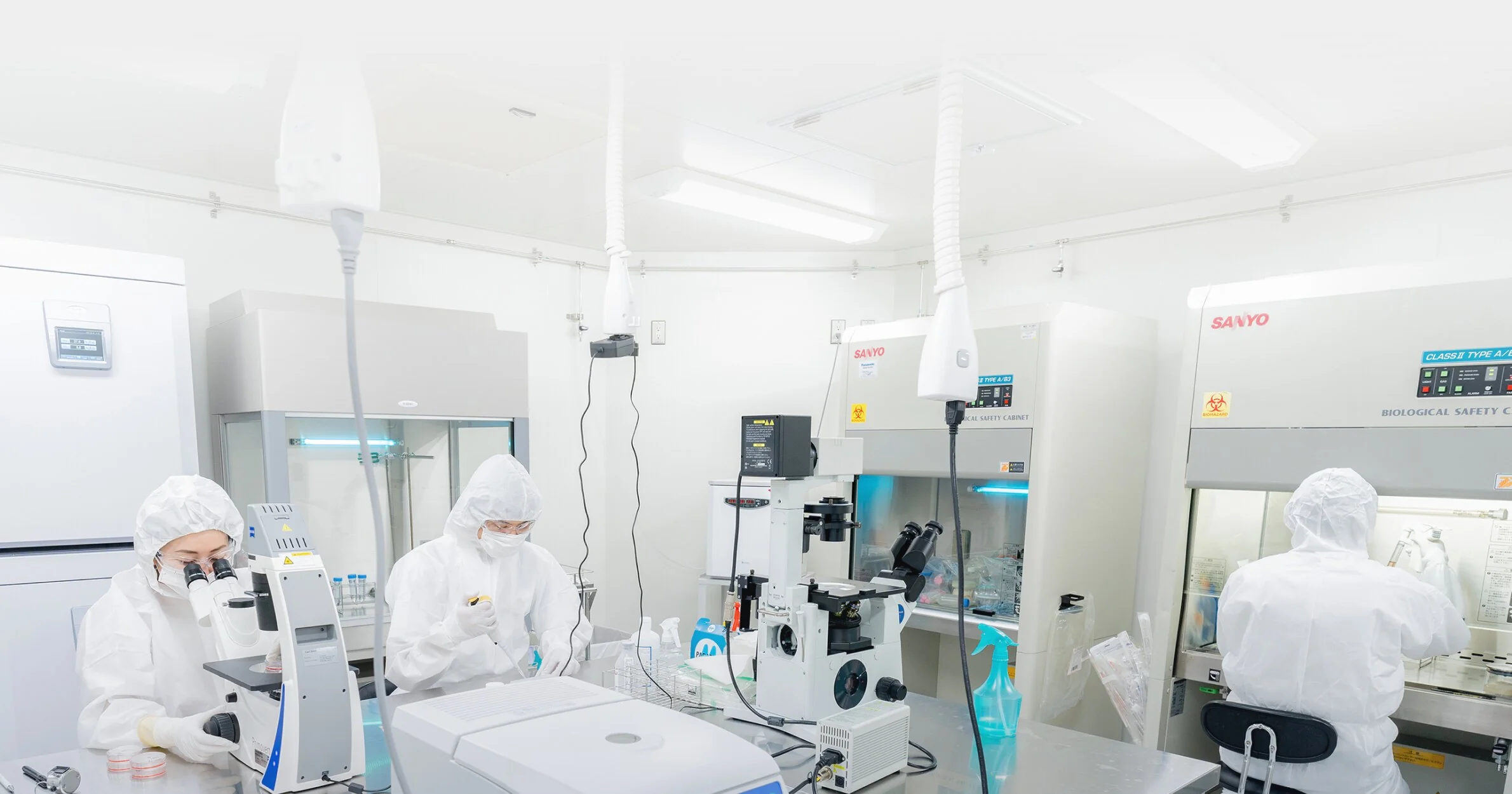
Collection, culture and administration are all handled end to end at the affiliated Specified Cell-Processing Facility within the clinic, maintaining safety and quality.
MECHANISM
How It Works
01 ── Testing
We take a medical history and draw blood for infectious disease and other testing.
02 ── Collection
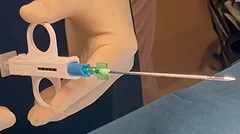
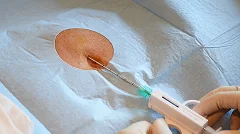
Under local anesthesia, fat cells are collected from near the navel using a specialized needle, and blood is drawn for culture.
03 ── Culture
Over about four to six weeks at the affiliated Specified Cell-Processing Facility within the clinic, stem cells are extracted from the collected adipose tissue and expanded to the number needed for treatment.
04 ── Administration
It is administered by IV drip.
EFFECT
Main Effects
Stem cells actively transport themselves to sites of tissue damage — a process called homing — and repair that tissue.
Intravenous administration transports stem cells more efficiently to the vicinity of damaged and inflamed areas throughout the body, which is expected to produce an effect.
Stem cell IV treatment has also been reported to be effective for cerebral infarction, lung disease, autoimmune conditions such as multiple sclerosis, diabetes, liver cirrhosis and ischemic heart disease.
INDICATION
Who It Is For
◎ Feeling chronically tired
◎ Concerned about discomfort in the joints
◎ Concerned about rising vascular age
◎ Want support for recovery after surgery
◎ Want a comprehensive approach to aging
PROTOCOL
Treatment Protocol
Fat collection takes about 30 minutes and administration about 60 minutes. It is given as a single session or as a series twice a year, with a culture period of about four to six weeks.
Administered fresh on the day culture is completed, without freezing.
Our own non-cryo protocol avoids any freeze-thaw step,
maintaining cell viability, migratory capacity and cytokine release at a high level.
"Living cells, delivered as they are" — we deliver the natural power of your own cells without diminishing it.
◎ CELL VIABILITY > 95% (high cell viability)
◎ SAME-DAY DELIVERY (administered the day culture is completed)
◎ FRESH-STATE INFUSION (infused fresh)
ONE-STOP
From Collection to Culture and Administration, All in One Place
We collect your own fat cells with minimal invasiveness and culture them at the Specified Cell-Processing Facility inside the clinic, which meets new environmental standards.
Everything can be completed within a group clinic that meets Class 100 cleanroom standards.
This end-to-end setup reduces the burden of collection while allowing us to provide treatment that is both safe and effective.
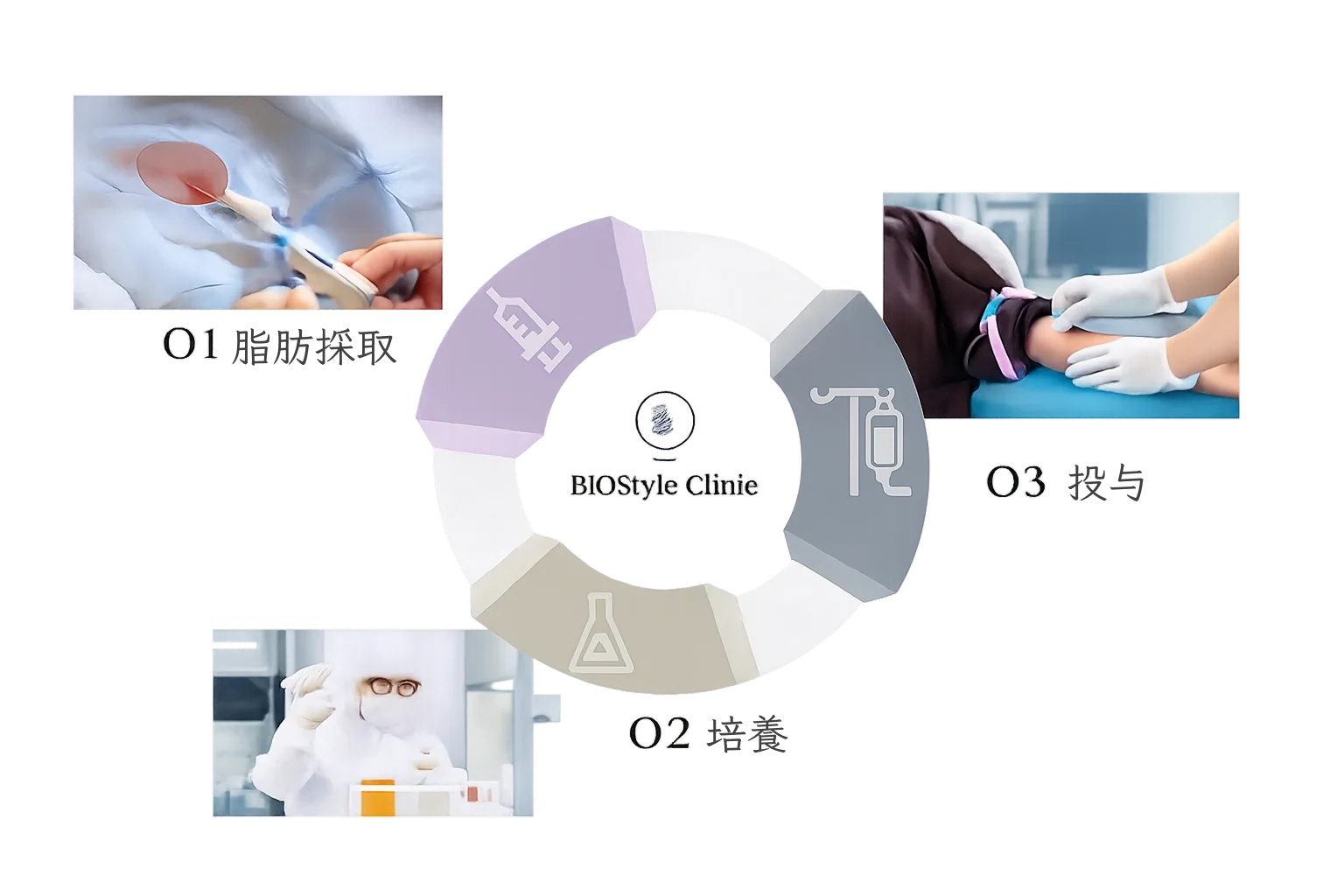
01 fat collection, 02 culture and 03 administration are all handled at the group's Specified Cell-Processing Facility.
Your cells are precious, and we manage them around the clock, 365 days a year, to protect their safety and quality.
Using automated culture equipment, we carry out the full range of work required for stem cell culture: optimizing culture conditions, regulating cell differentiation and proliferation, testing and analyzing cells, and managing the cultured cells.
COLLECTION
Our Own Minimally Invasive Fat Collection
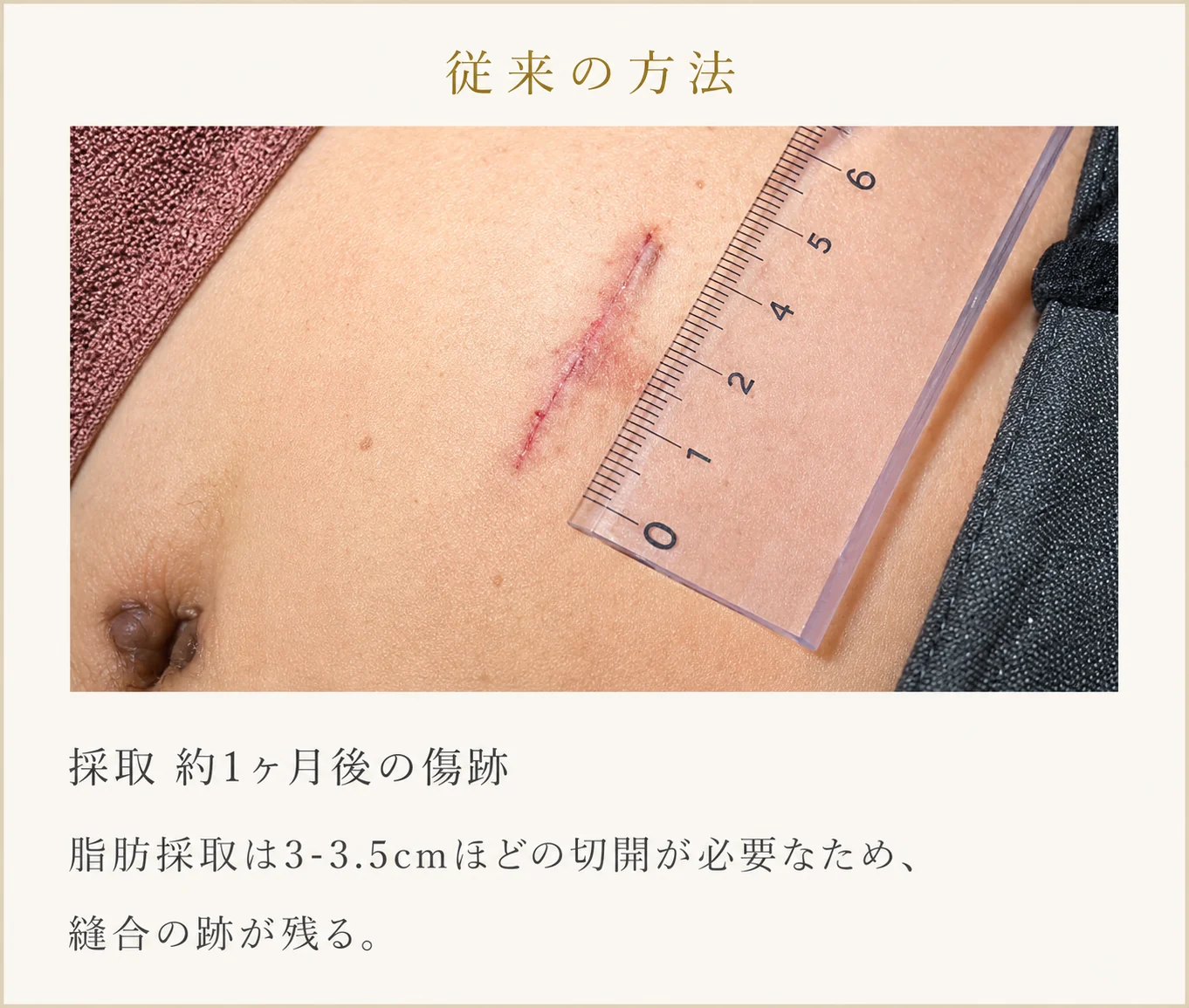
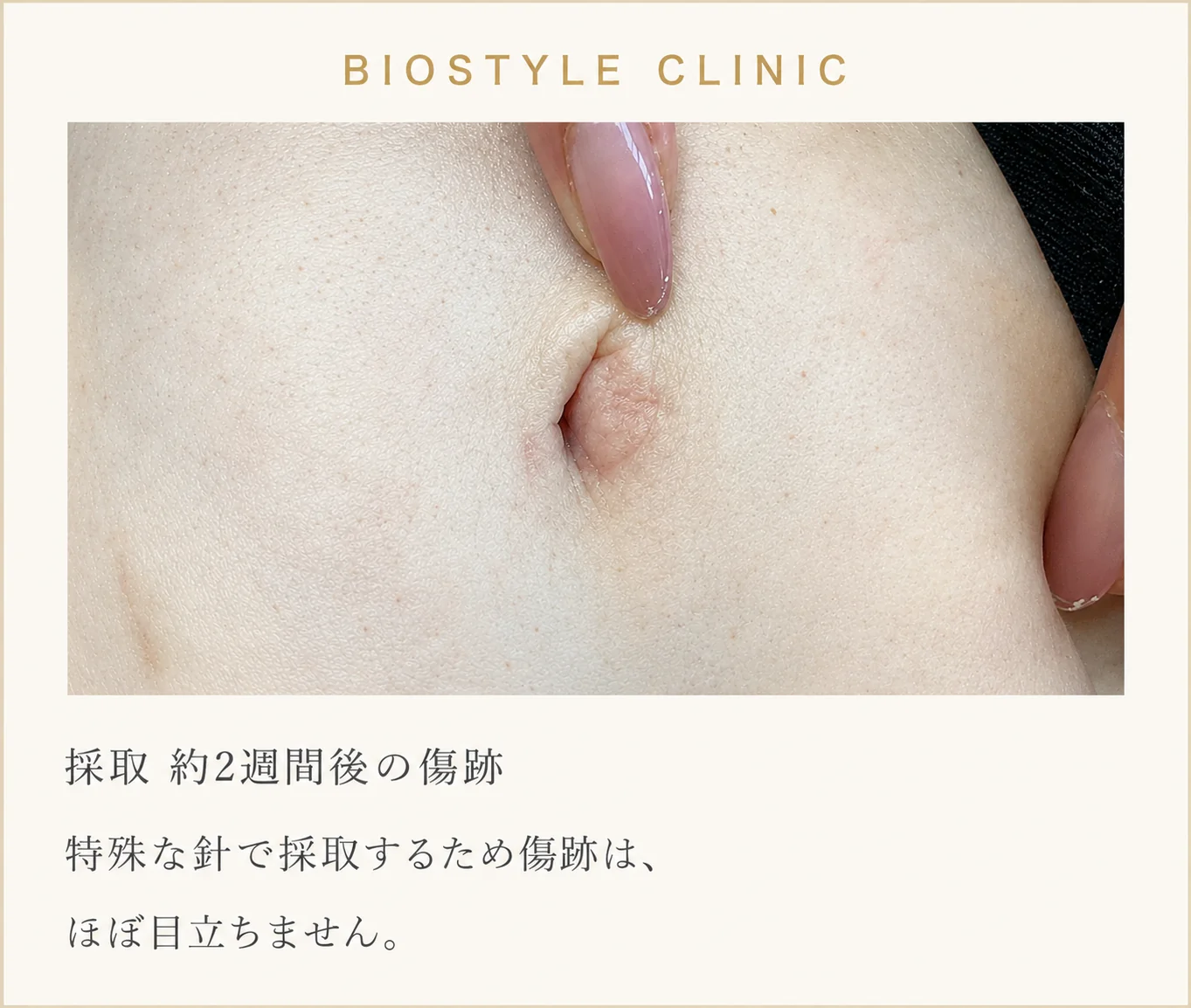
Fat collection uses a needle-type puncture device. The wound is only a few millimeters across,
and collection is designed to minimize scarring.
As a result, no suturing or suture removal is needed.
FAQ
Frequently Asked Questions
 Patient
What is autologous stem cell culture therapy?
 Physician
It is regenerative medicine in which stem cells collected from your own adipose tissue are cultured, expanded and returned to the body by IV drip. It makes use of the way stem cells travel to damaged tissue on their own — a process called homing — and promote its repair.
PatientWill the fat collection leave a scar or hurt?
PhysicianUnder local anesthesia, a small amount is collected from near the navel with a specialized needle. The wound is only a few millimeters across, no suturing or suture removal is needed, and the scar is barely noticeable.
PatientHow long does it take from collection to administration?
PhysicianFat collection takes about 30 minutes. The cells are then cultured for about four to six weeks at the affiliated Specified Cell-Processing Facility within the clinic, and administration is by IV drip lasting about 60 minutes. It can be taken as a single session or as a series twice a year.
PatientWhat does "without freezing" mean?
PhysicianOur non-cryo protocol avoids any freeze-thaw step, so the cells are administered fresh on the day culture is completed. This maintains cell viability, migratory capacity and cytokine release at a high level.
PatientWho is it recommended for?
PhysicianIt is recommended for those with chronic fatigue or discomfort in the joints, those concerned about rising vascular age, those who want support for recovery after surgery, and those who want a comprehensive approach to aging.