
CELL PROCESSING
CENTER
Specified Cell-Processing Facility
FACILITY
A Cell-Processing Facility Inside the Clinic
A Specified Cell-Processing Facility
attached to the clinic.
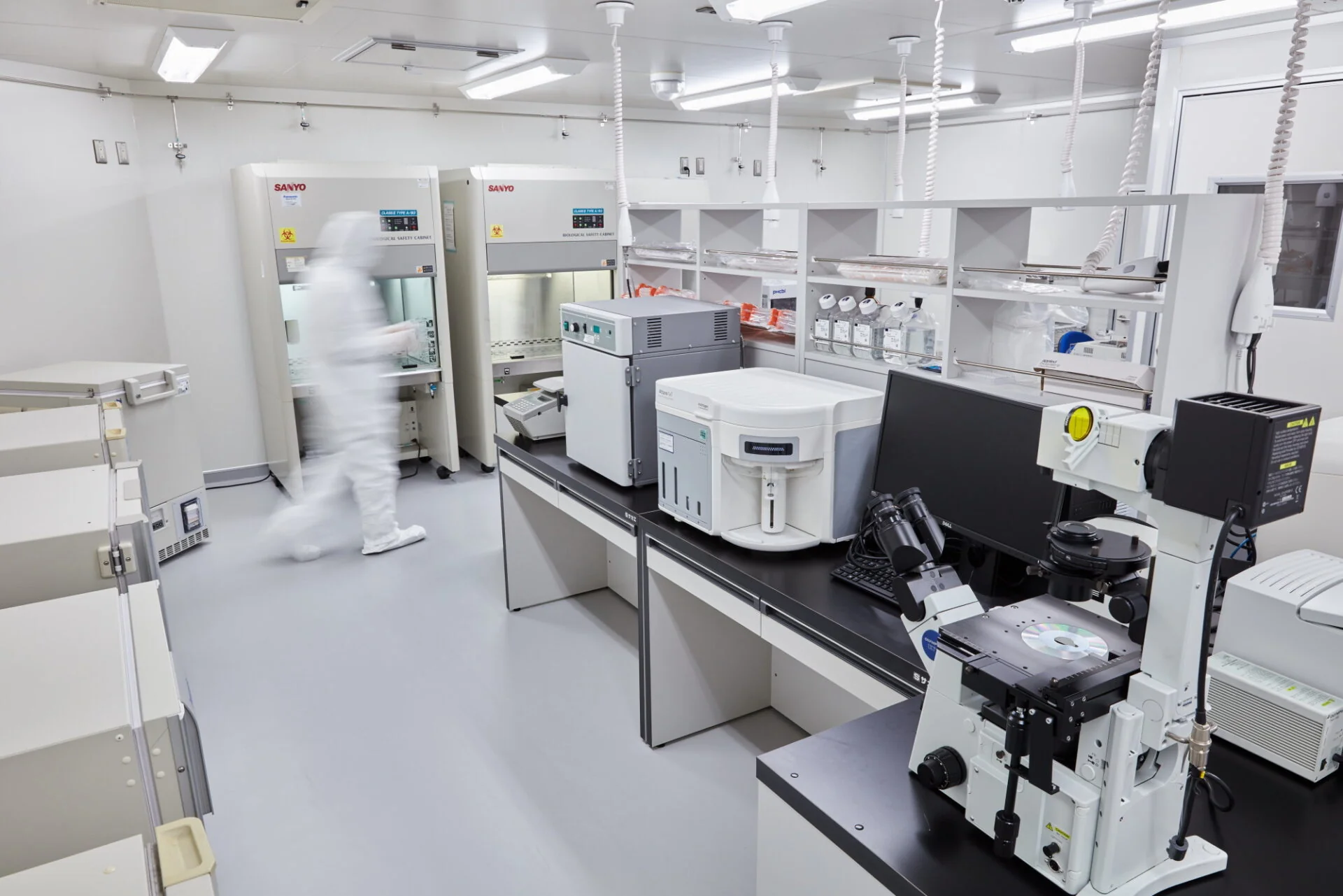
BiOStyle Clinic's Specified Cell-Processing Facility is a facility designed with Class 100 cleanliness as its target and standards equivalent to ISO 5 as its benchmark. Compared with other Specified Cell-Processing Facilities in Japan, it meets a stricter standard a level above, making it a facility with a high level of safety. Class 100 cleanliness means no more than 100 particles of 0.5 μm or larger per cubic foot (roughly 30 cm square) of air — a level of cleanliness comparable to that required in a semiconductor plant.
SAFETY
Safety Standards and Facility Hygiene Management
Protecting the safety and quality of cells
to a strict standard.
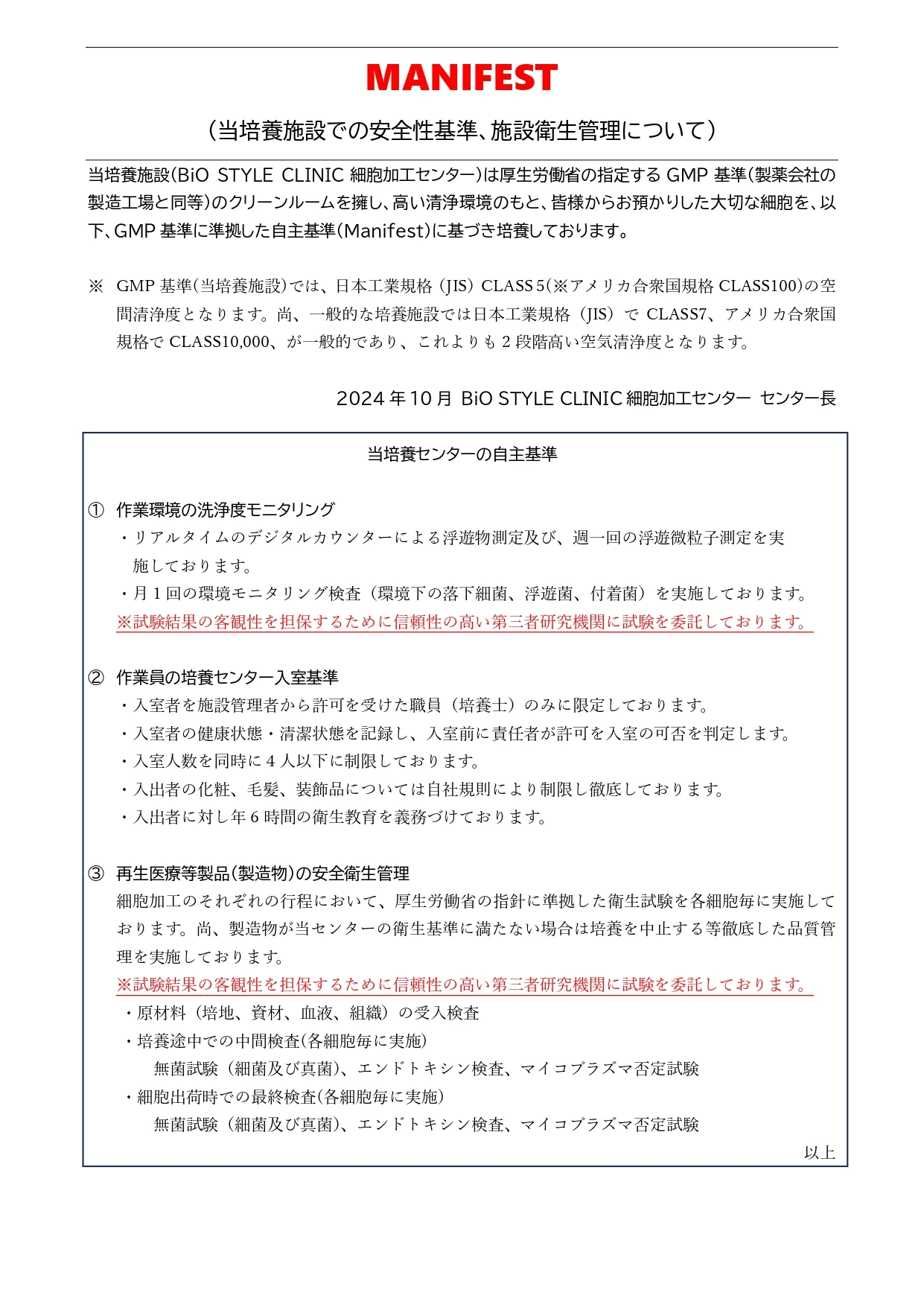
A Specified Cell-Processing Facility is what is known as a cleanroom: "a space in which airborne particles and microorganisms are managed to a very high standard of cleanliness, and in which the materials, chemicals, water and everything else supplied into that space are managed so that no impurities of any kind are brought in."
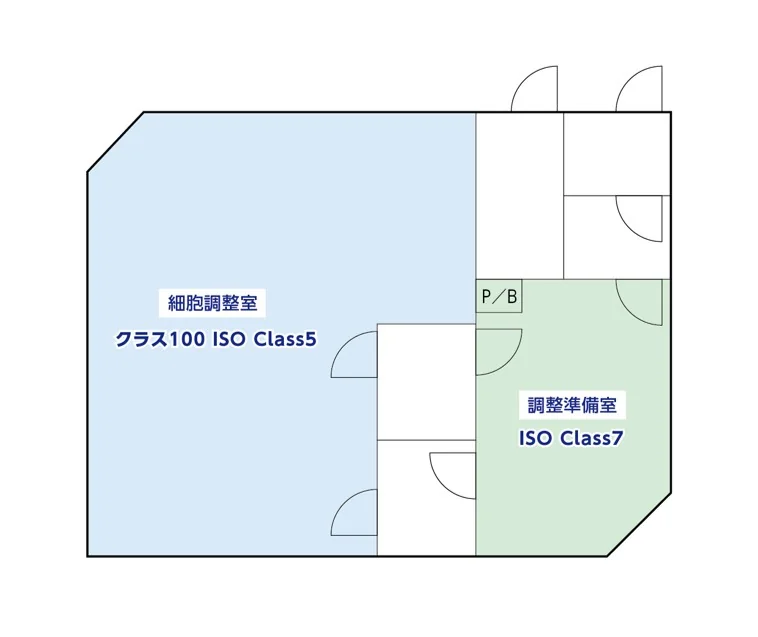
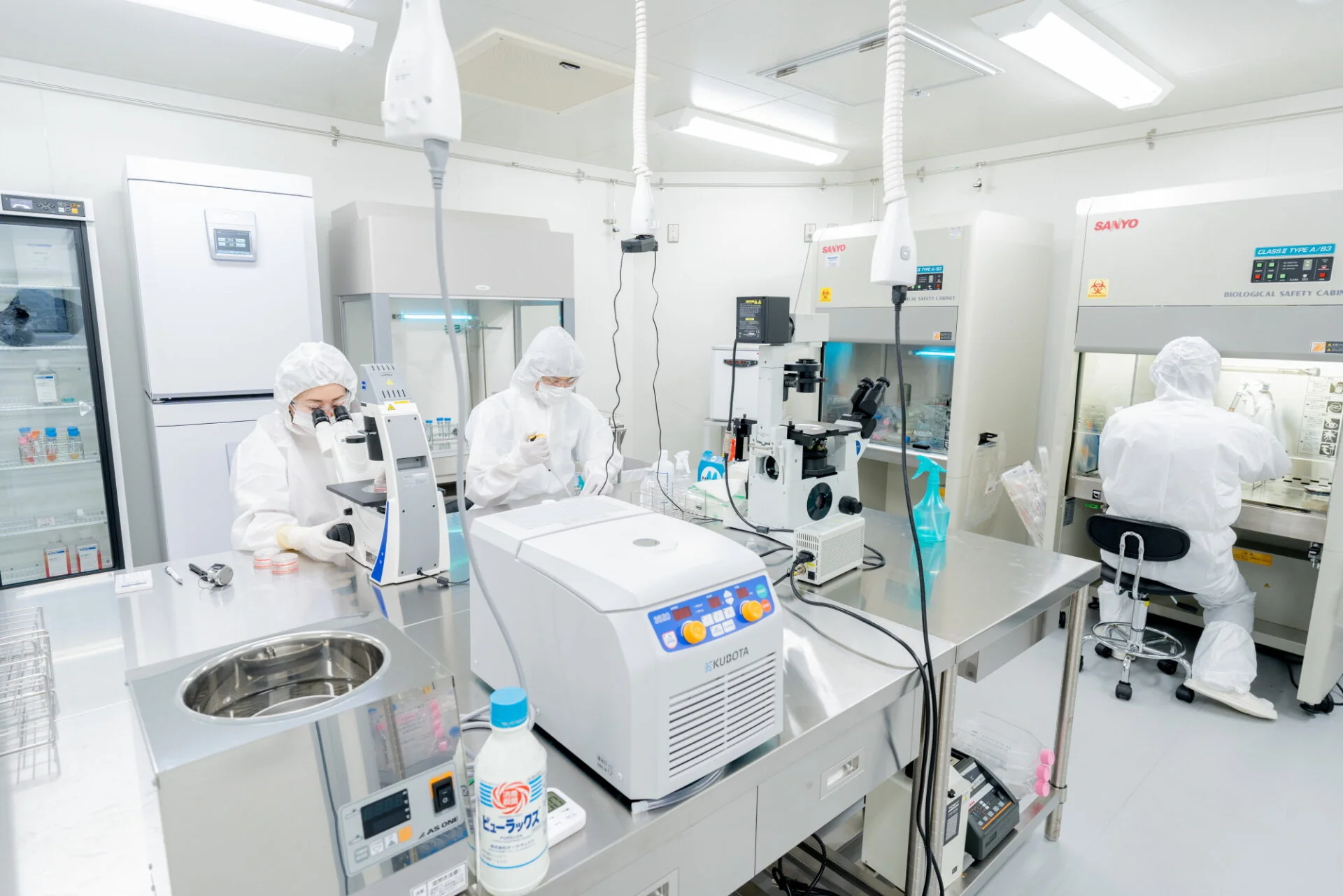
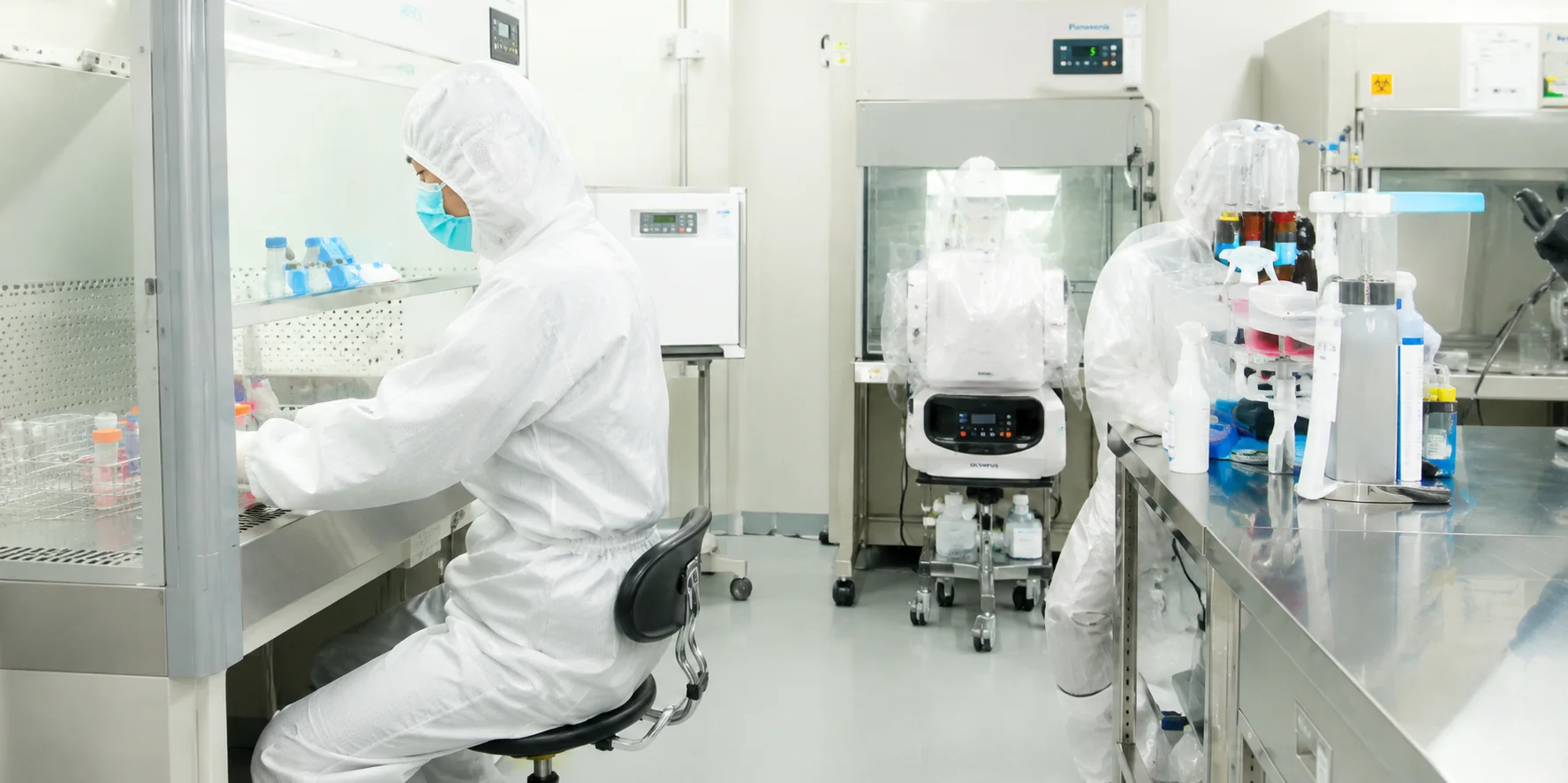
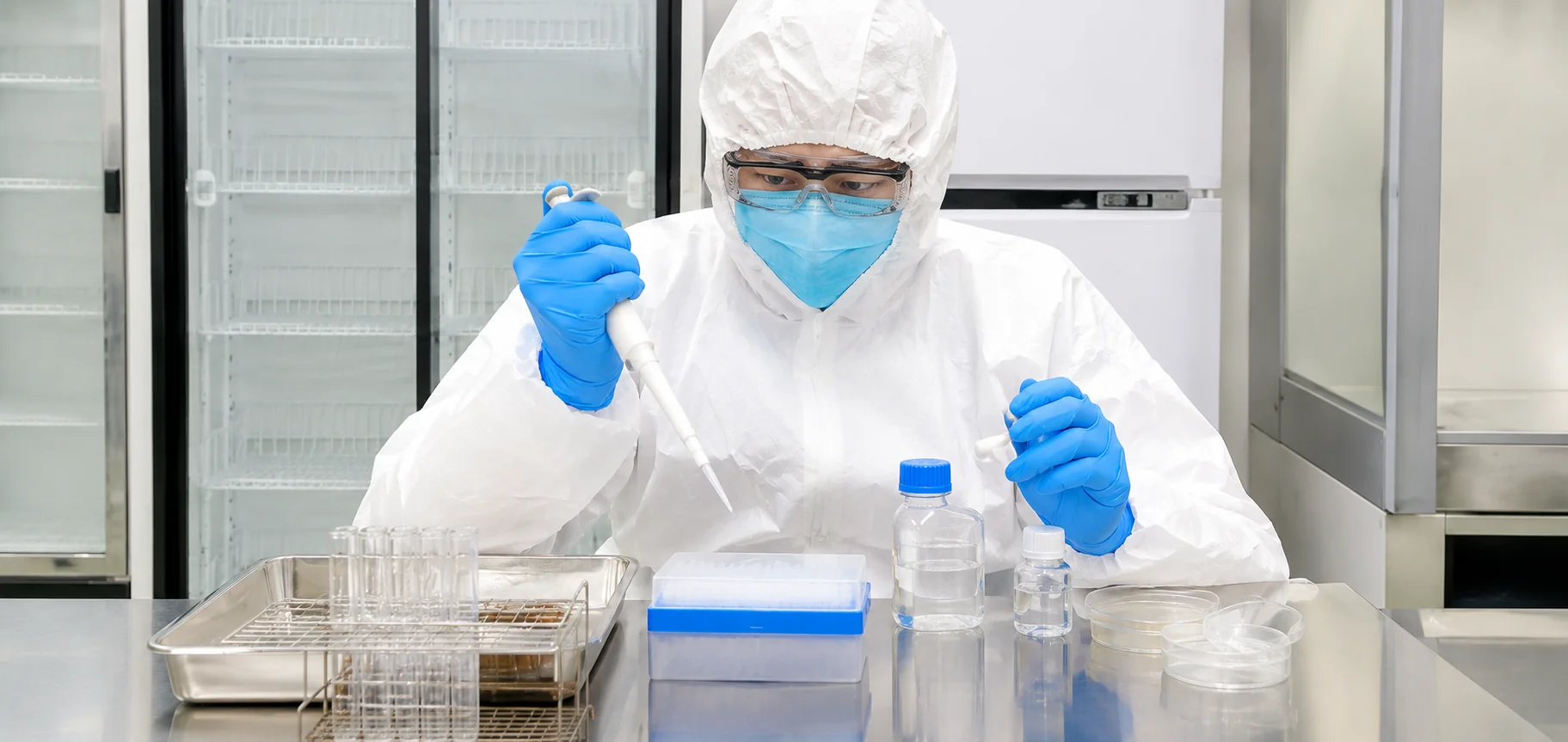
Contamination from outside most often comes in via people, so wearing a "cleanroom suit" — something like a spacesuit — is mandatory on entering the cleanroom. The facility has two areas, a preparation room and a cell preparation room, each with its own cleanliness level. We manage and operate them so that processing and manufacturing can be carried out in a hygienic environment, addressing both the hardware — structure and equipment — and the software of operating rules and training.
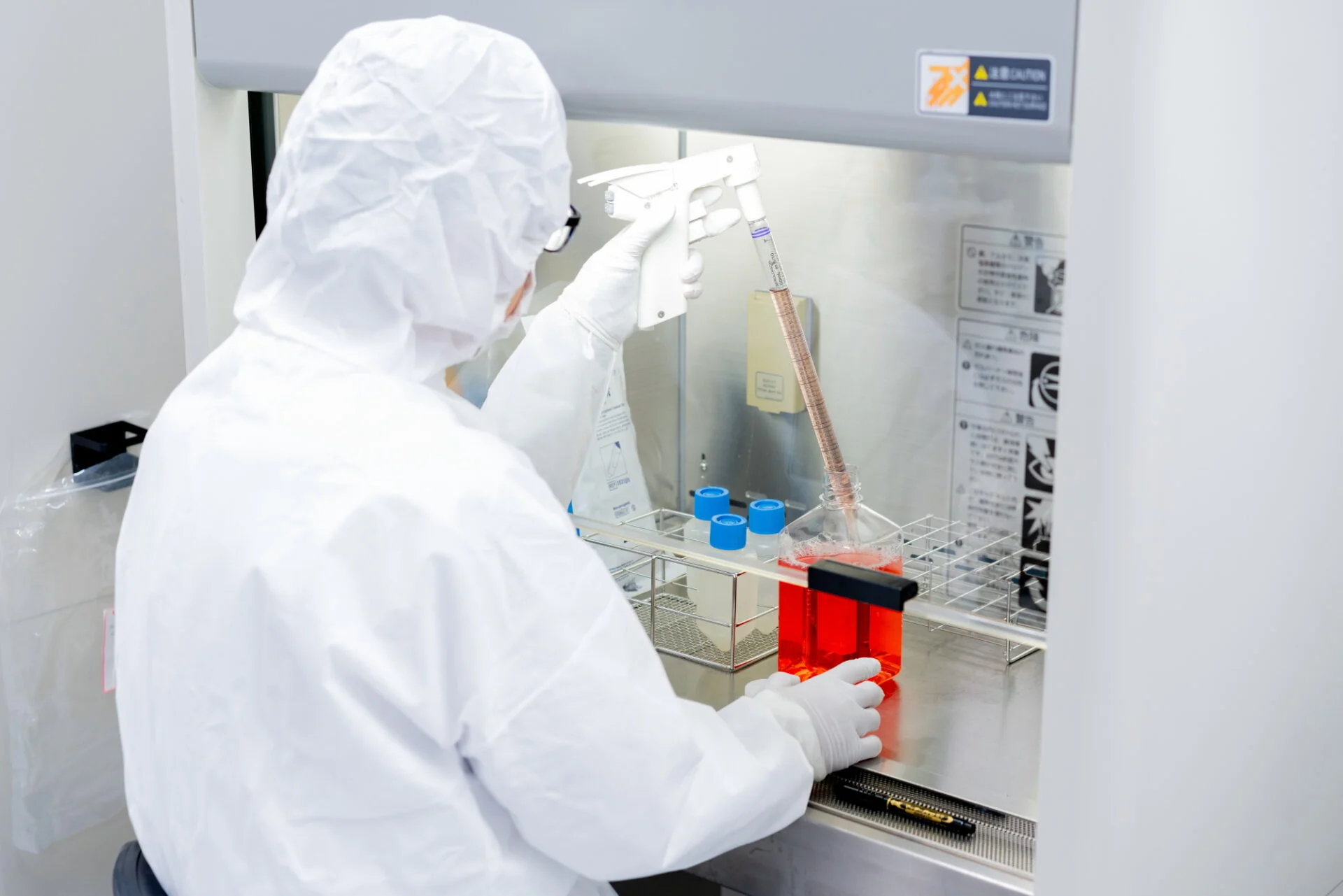
BiOStyle Clinic cultures cells using two-dimensional culture. In two-dimensional culture, stem cells spread out thinly as they proliferate and do not overlap one another. Every cell is therefore exposed evenly to the components of the medium, and stress from a shortage of nutrients or oxygen can be kept low. It is a culture method made possible only by having dedicated technologists. All of this work is carried out inside a safety cabinet, including the dispensing of the medium.
- A
-
Testing technique calls for both accuracy and speed, so proficiency must be built through experience.
- B
-
It is important to use cells with the optimal medium — cells that have divided relatively few times.
This is because there is a limit to how many times cells can divide, and they gradually deteriorate, losing their capacity to differentiate.
- C
-
Each type of cell cultured requires a different composition, and finding the right medium composition for each is important.
We develop optimal media of our own composition.
Stem cells can be cultured using inexpensive commercial media, but reaching the quality required is difficult.
- D
-
We work while observing the state of the cells as we go, so constant fine adjustment is required.
Stem cells change in character and deteriorate when nutrients in the medium run low and when cells come into contact with one another, and they also begin to secrete inflammatory cytokines and the like.
Deterioration could be prevented by giving the cells ample medium and space, but that dilutes the concentration of the growth factors the cells secrete.
Our own expertise lies in fine-tuning timing and other conditions so that cells can be cultured right at the edge of where deterioration would begin.
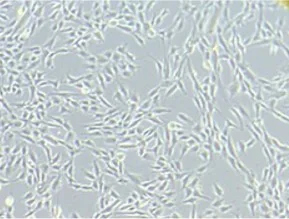
QUALITY
Thorough Observation and Quality Management
Working with the cells
right up to the day of administration.
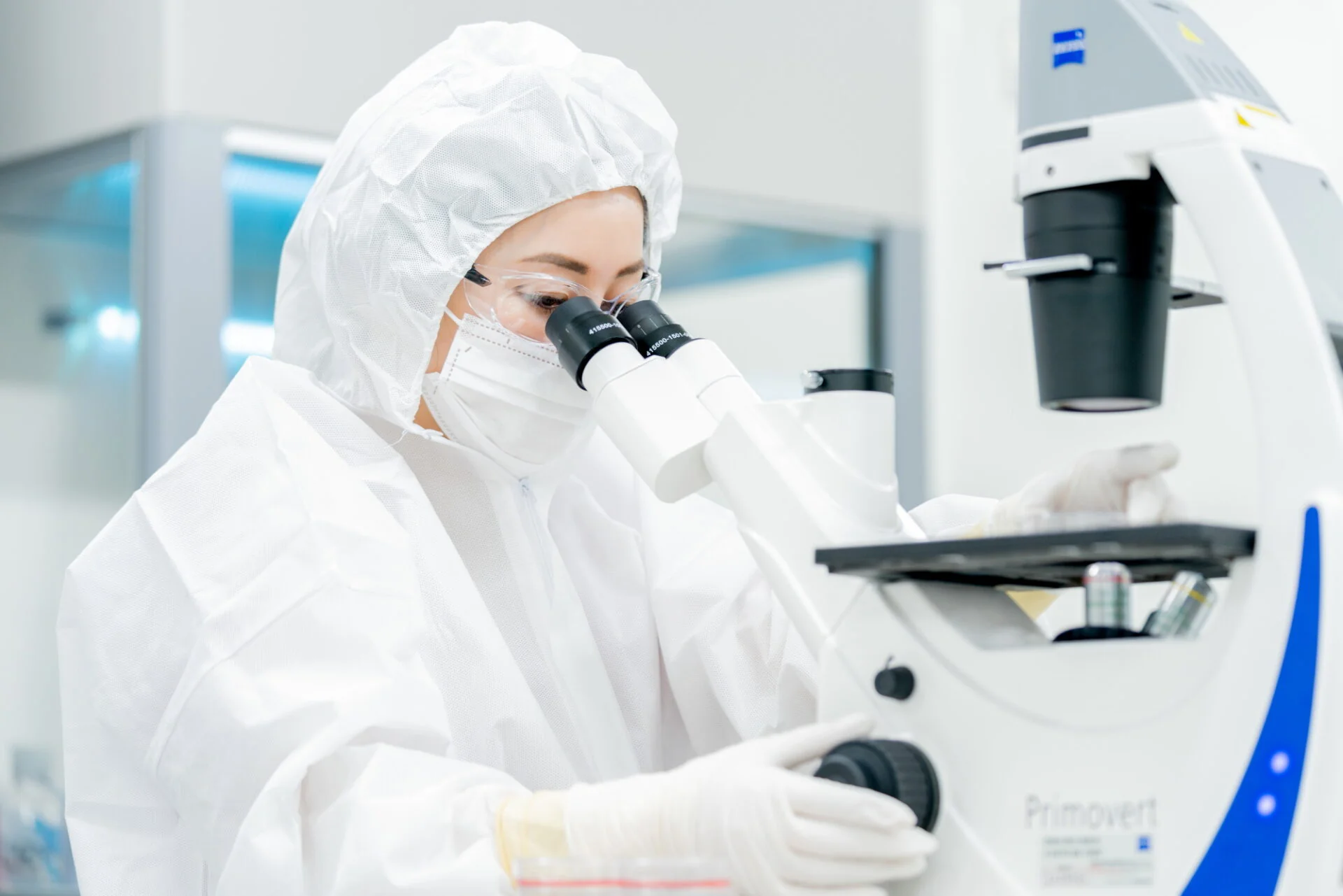
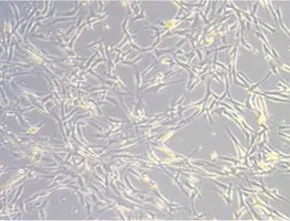
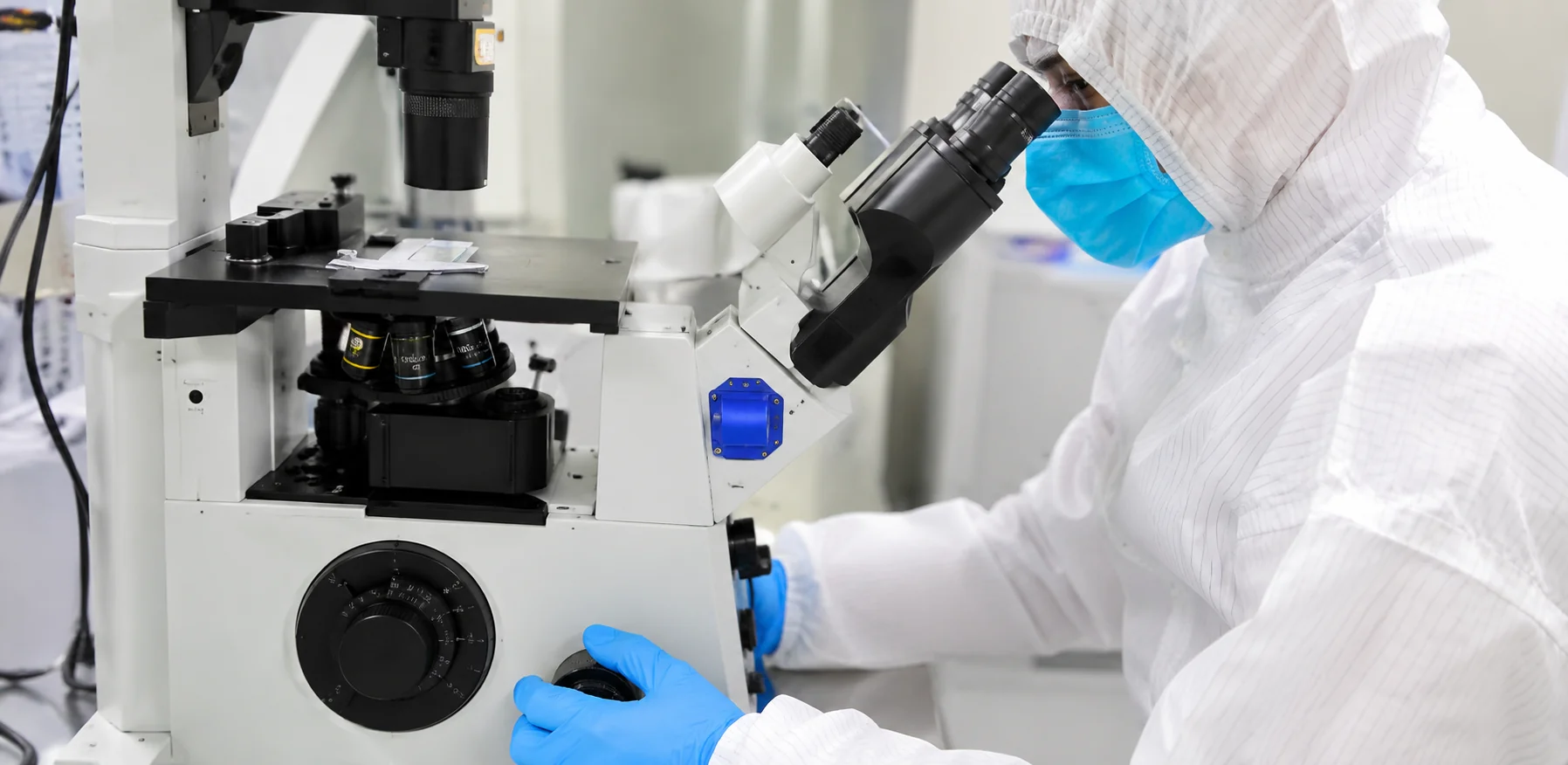
Observation is carried out using a microscope inside the cleanroom, where the cells being cultured in flasks are examined.
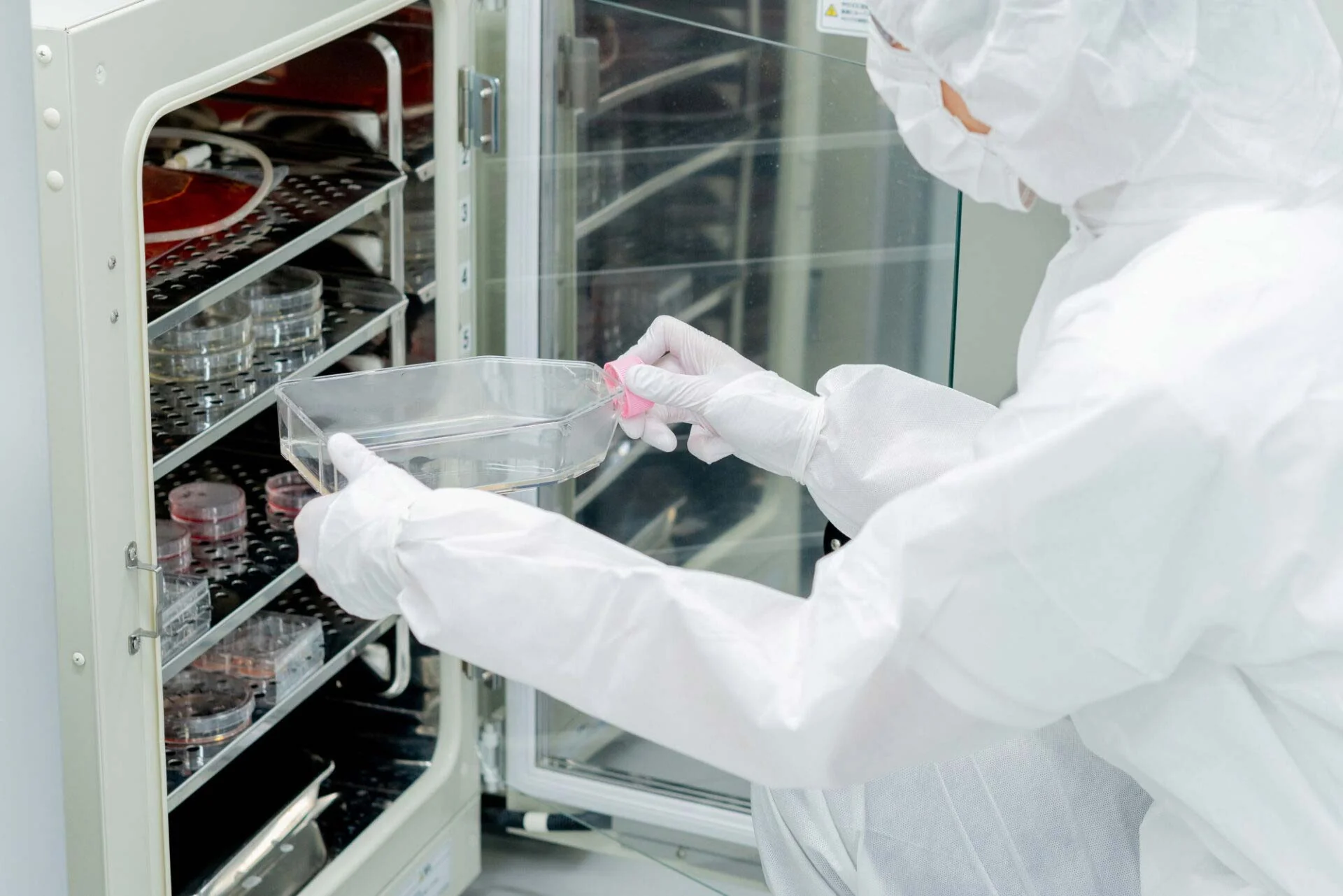
The CO2 incubator in the cleanroom injects carbon dioxide at a set temperature, holding temperature, humidity and CO2 concentration steady so that cell culture, experiments and observation can be carried out under physiological conditions. The carbon dioxide concentration is set at 5%, close to the partial pressure of CO2 in the body, maintaining a pH (7.1 to 7.4) and temperature (37°C) suited to cell growth, with humidification and mold prevention to keep the medium from drying out.
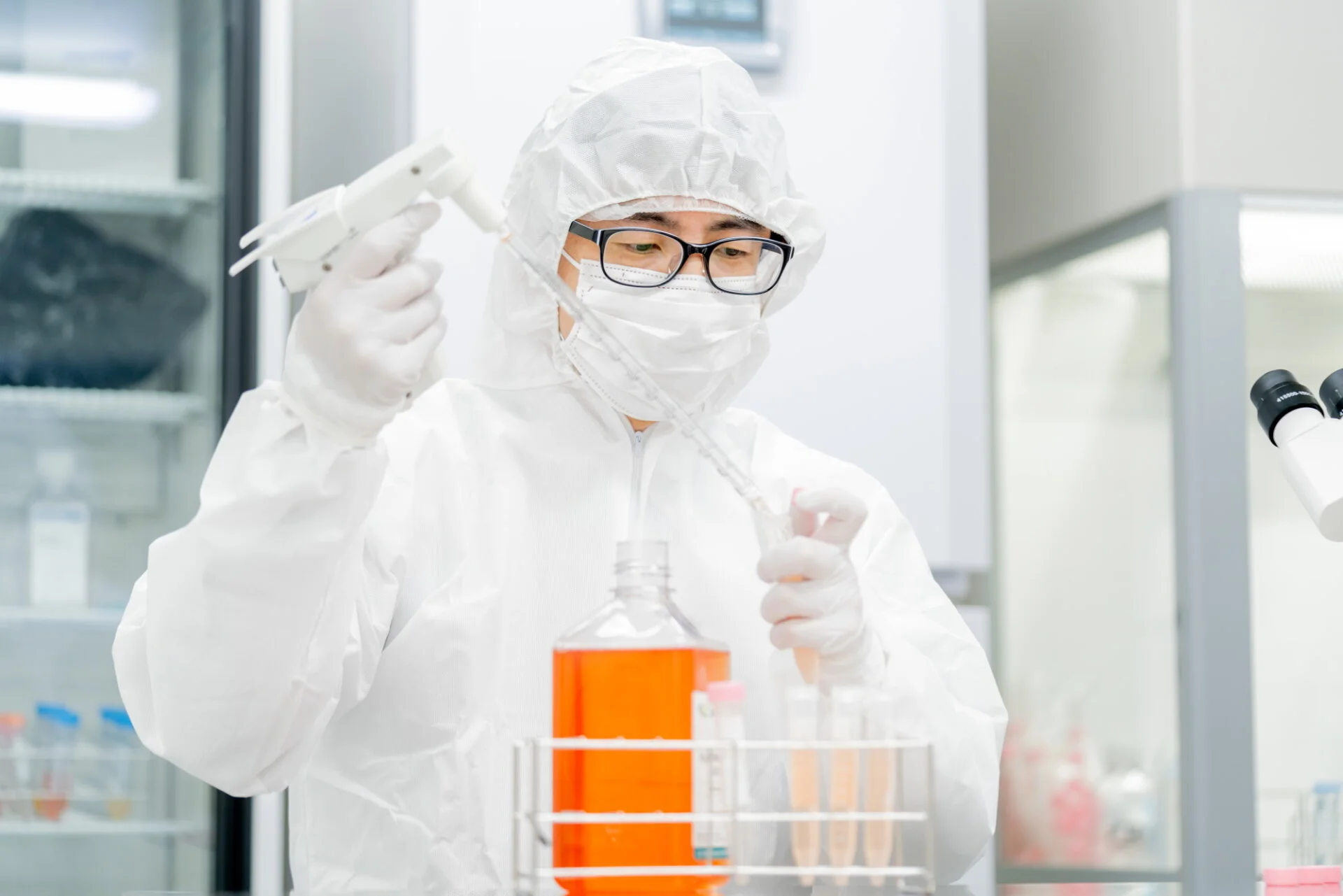
The supervising doctor and dedicated technologists culture each patient's cells while observing their state as they go. To culture cells right at the edge of where deterioration would begin, timing and other conditions are finely adjusted, and culture can be timed to the day of administration precisely because we use two-dimensional culture, with the effort and thorough management that involves. On the day of administration, the supervising doctor explains the state of your cultured cells in line with the culture report, referring to images of the cells.
CULTIVATOR
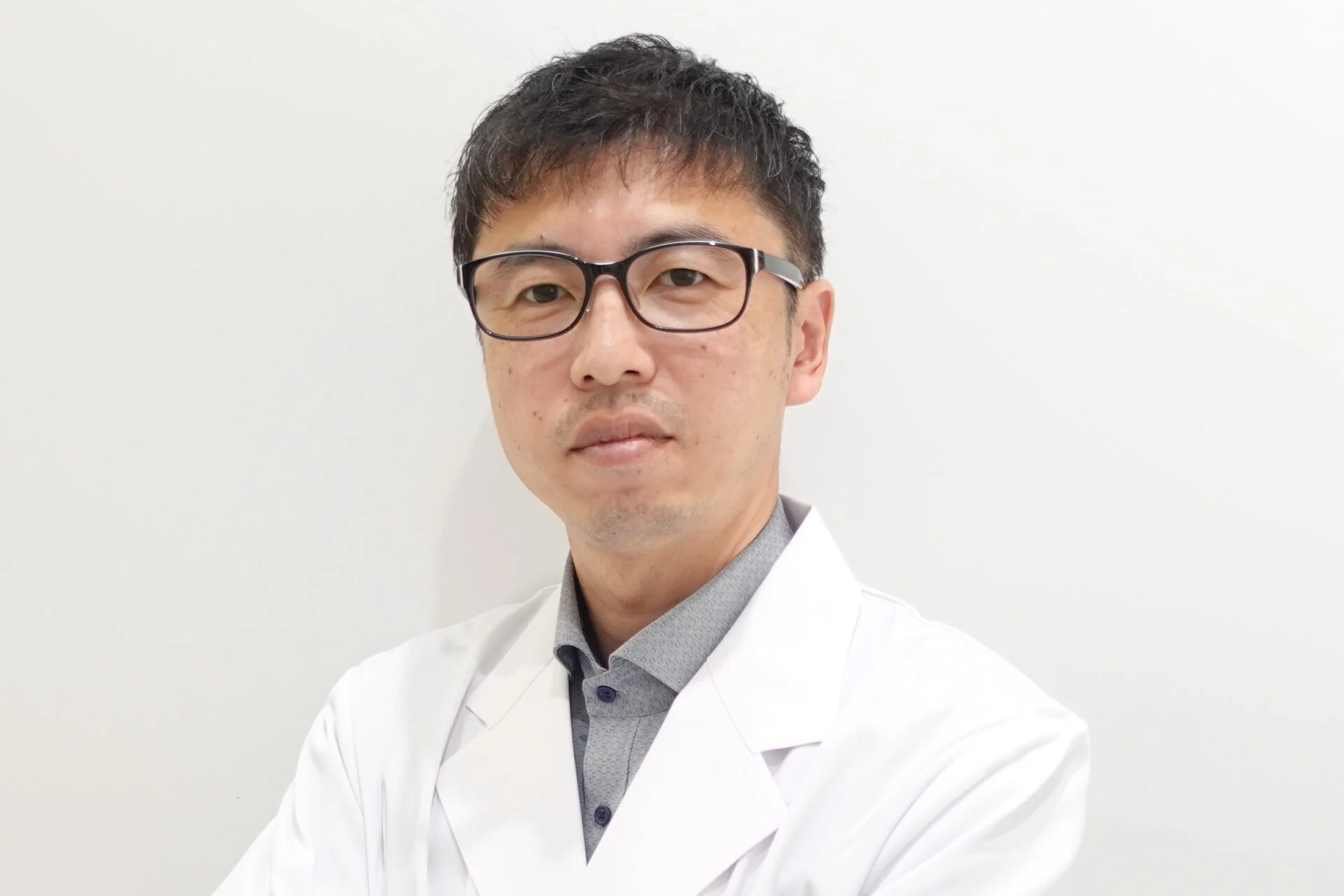
Chief Cell Culture Technologist
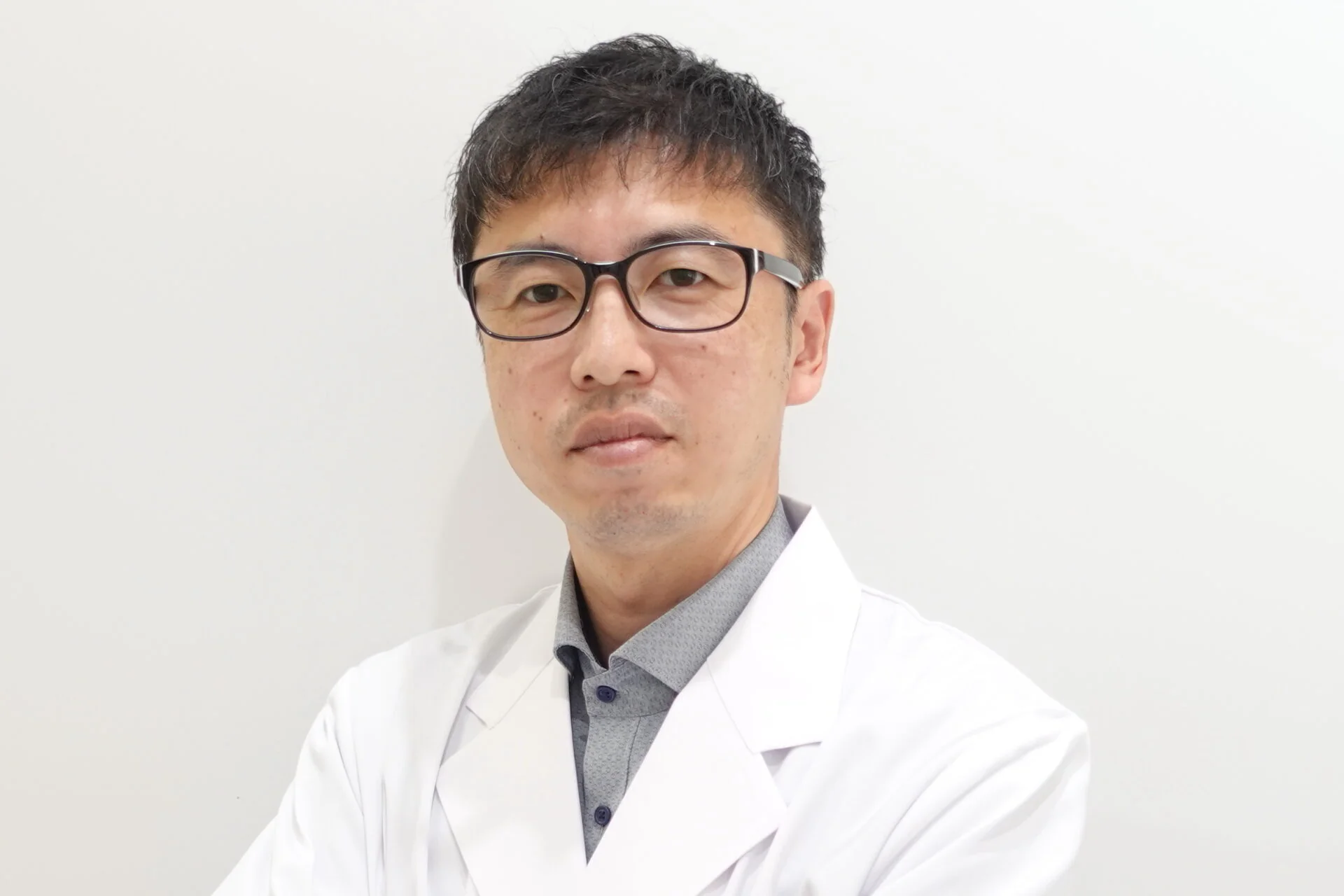
The cells we handle are ultimately used on end users in a clinical setting, so very high quality is required. Culture is therefore carried out under a strict quality management system, and the supernatant we provide must be assured for safety and efficacy. It is also important to know the state of the cells during culture accurately and to provide the optimal environment. To that end we manage rigorously the quantity and timing of the protective agents used to freeze and thaw cells, regular cell testing and measurement of cell activity, and the media and culture equipment, so that we can provide supernatant of consistent quality.
We also believe it matters to treat cells with care while they are alive. By culturing them by hand with care, constantly checking their state and growth, and providing conditions suited to each, we can raise cells of high quality.
In the unlikely event that an abnormality is found in the cells during culture, they cannot be used in treatment, and we will discontinue the culture. Tissue would then need to be collected again; we ask for your understanding, as this is necessary to provide treatment that is assured for safety and efficacy.
BiOStyle Clinic Chief Cell Culture Technologist
Yoshichika Yamaguchi
Yoshichika Yamaguchi
After working at the Kishimoto Institute of Medical Science, Tokiwa Hospital of the Tokiwakai Medical Corporation (Immunology Department, cell culture laboratory) and the Japan Culture Institute, he now serves concurrently as Head of Culture Technology at SCC Lab Co., Ltd. and Chief Cell Culture Technologist at BiOSTYLE CLINIC.