

REGENERATIVE
MEDICINE
Dermal fibroblast therapy
ABOUT
About Dermal Fibroblast Therapy
Regeneration at the cellular level.
Increasing youthful cells.
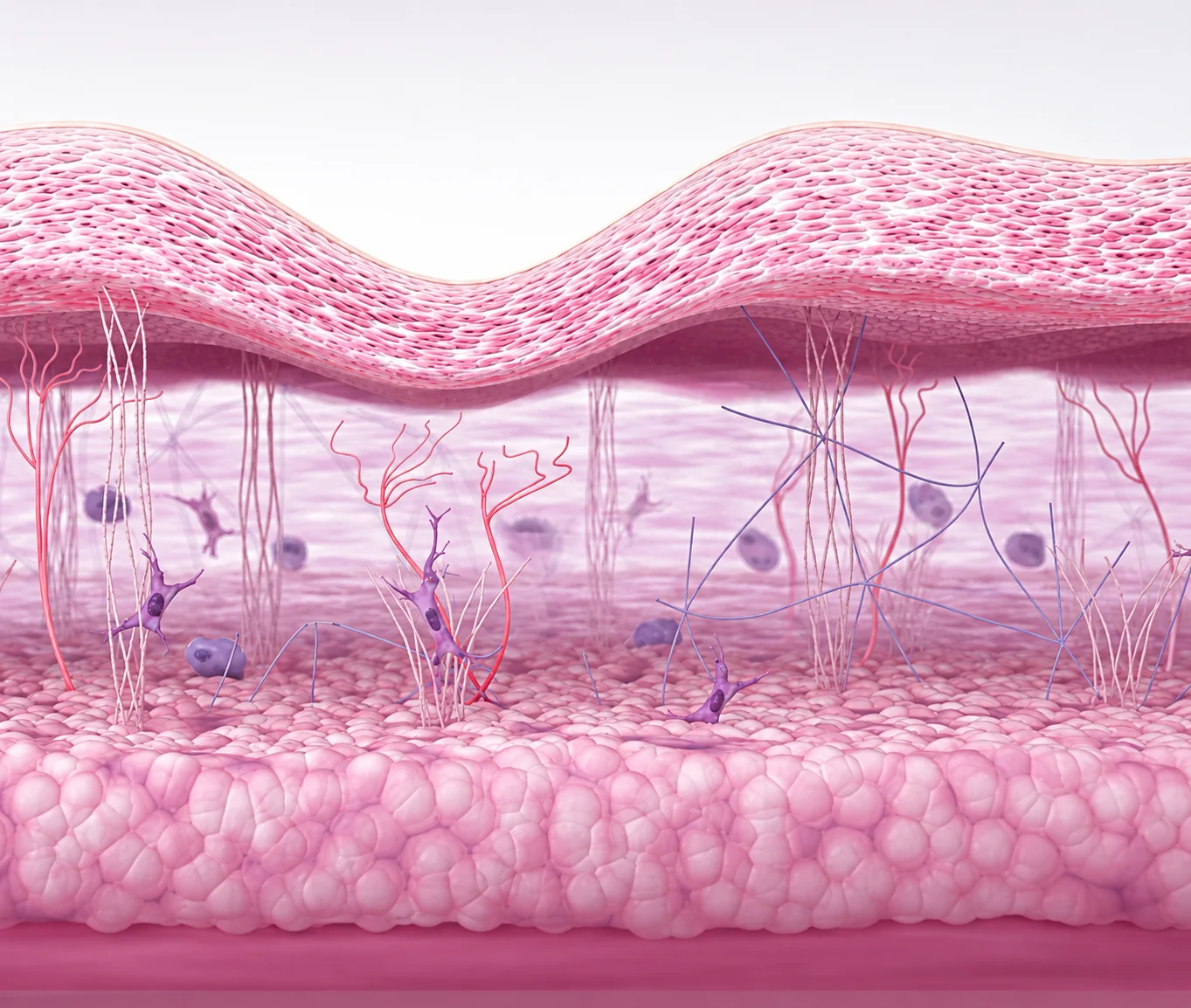
Dermal fibroblast therapy is regenerative medicine in which fibroblasts collected from your own skin are cultured and transplanted into the areas of skin that concern you.
As fibroblasts increase and collagen, elastin and hyaluronic acid are produced, an anti-aging effect on the skin can be expected.
It aims to address at its source the skin aging — wrinkles, sagging and the like — that results from the decline in skin cells (fibroblasts) with age.
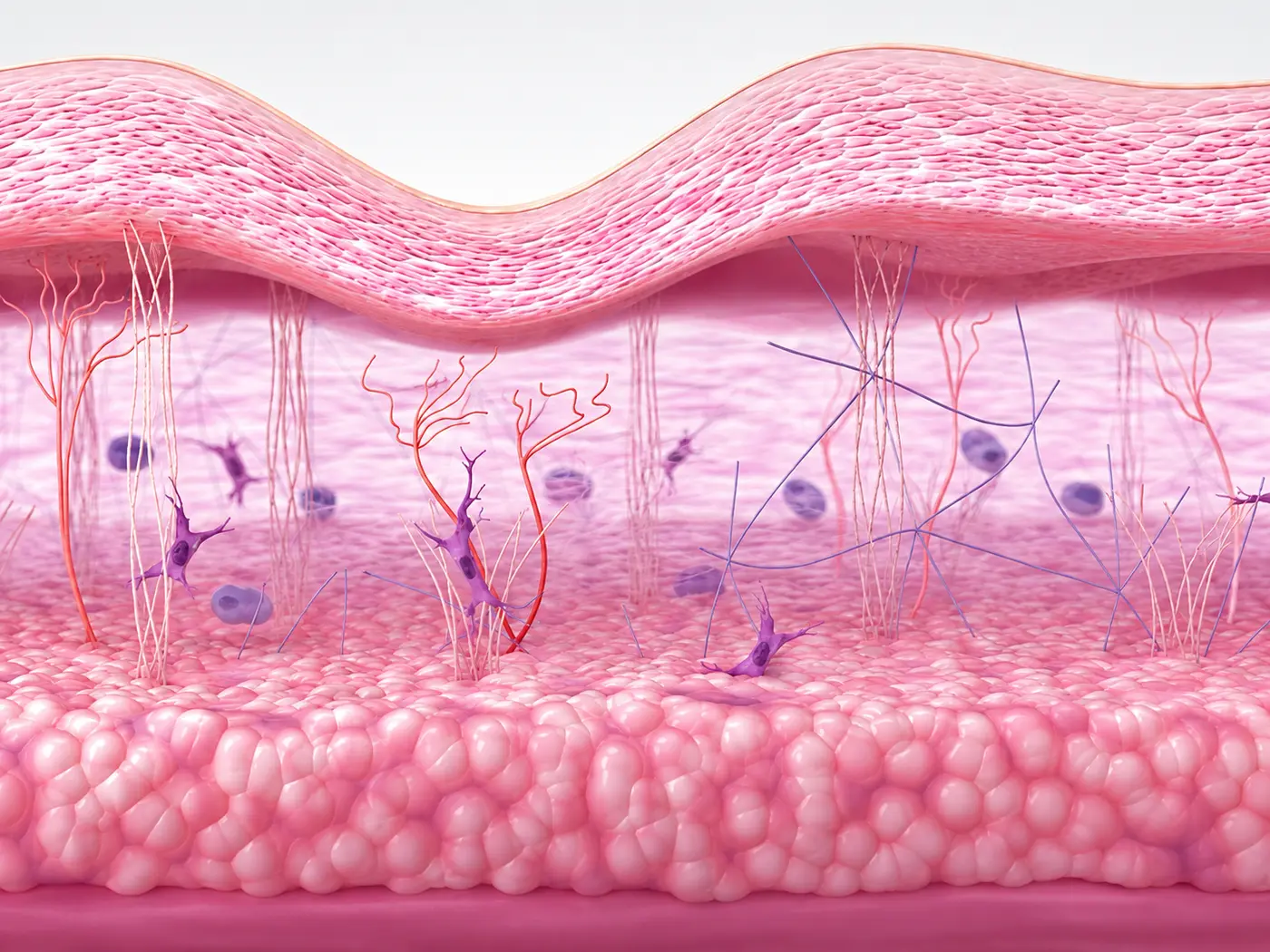
Fibroblasts sit in the dermis and are important cells that produce collagen, hyaluronic acid and elastin, supporting firmness and elasticity.
They decline, however, with age and with exposure to ultraviolet light.
We collect and culture your own cells, expand them and transplant them into the skin, working toward the recovery of your skin's natural condition.
Using your own dermal fibroblasts, collected and cultured, we provide regenerative medicine made to order for the state of your skin.
While preserving the skin's natural health and beauty, we address the way the skin's environment changes with age.
MECHANISM
How It Works
01 ── Testing
Before the procedure you undergo testing for infectious diseases and the like. Blood for cell culture is drawn at the same time as the blood test.
02 ── Collection
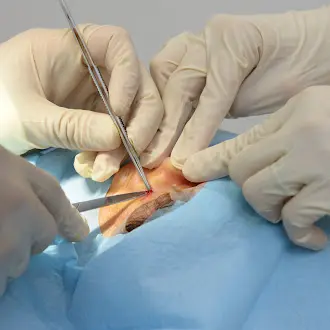
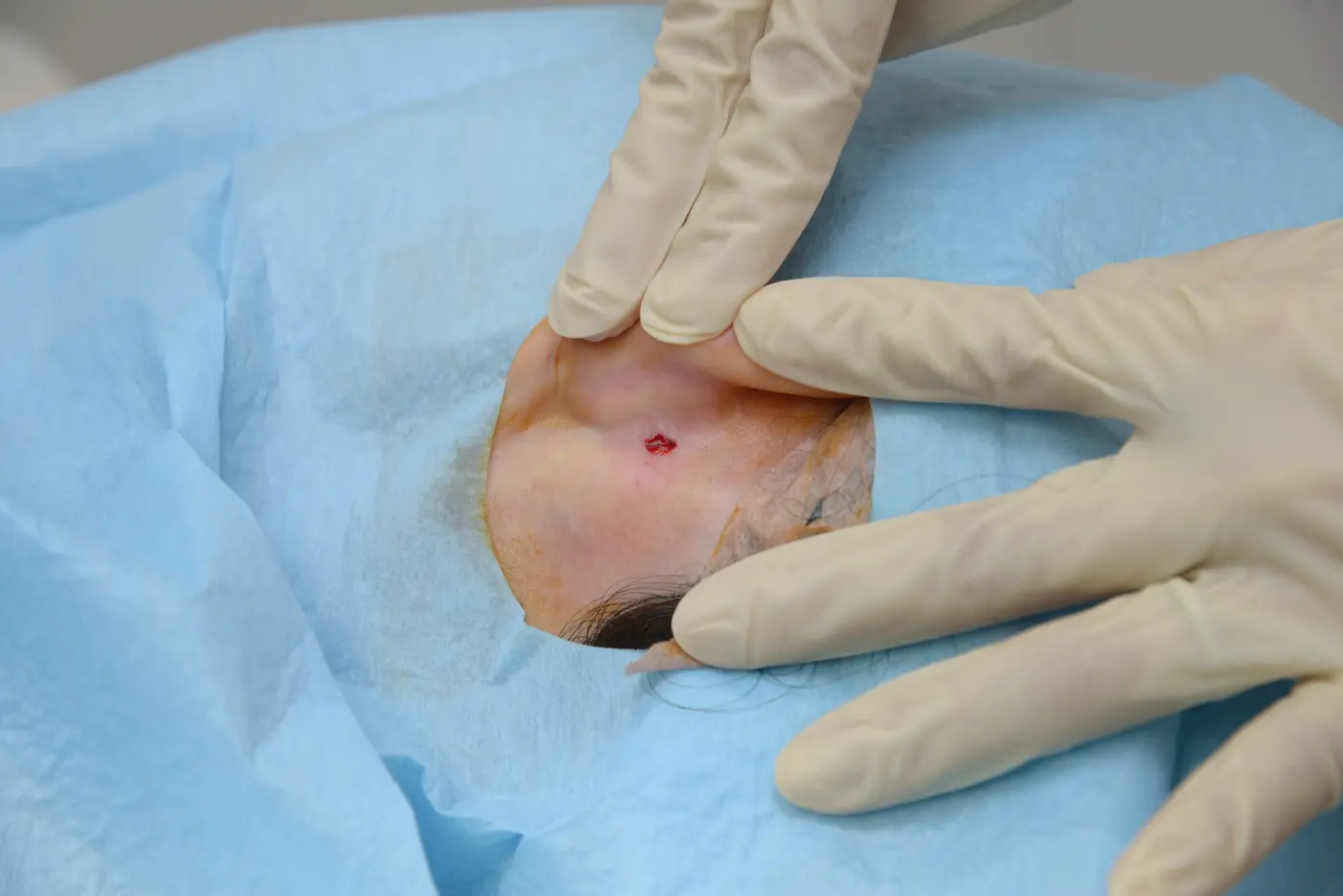
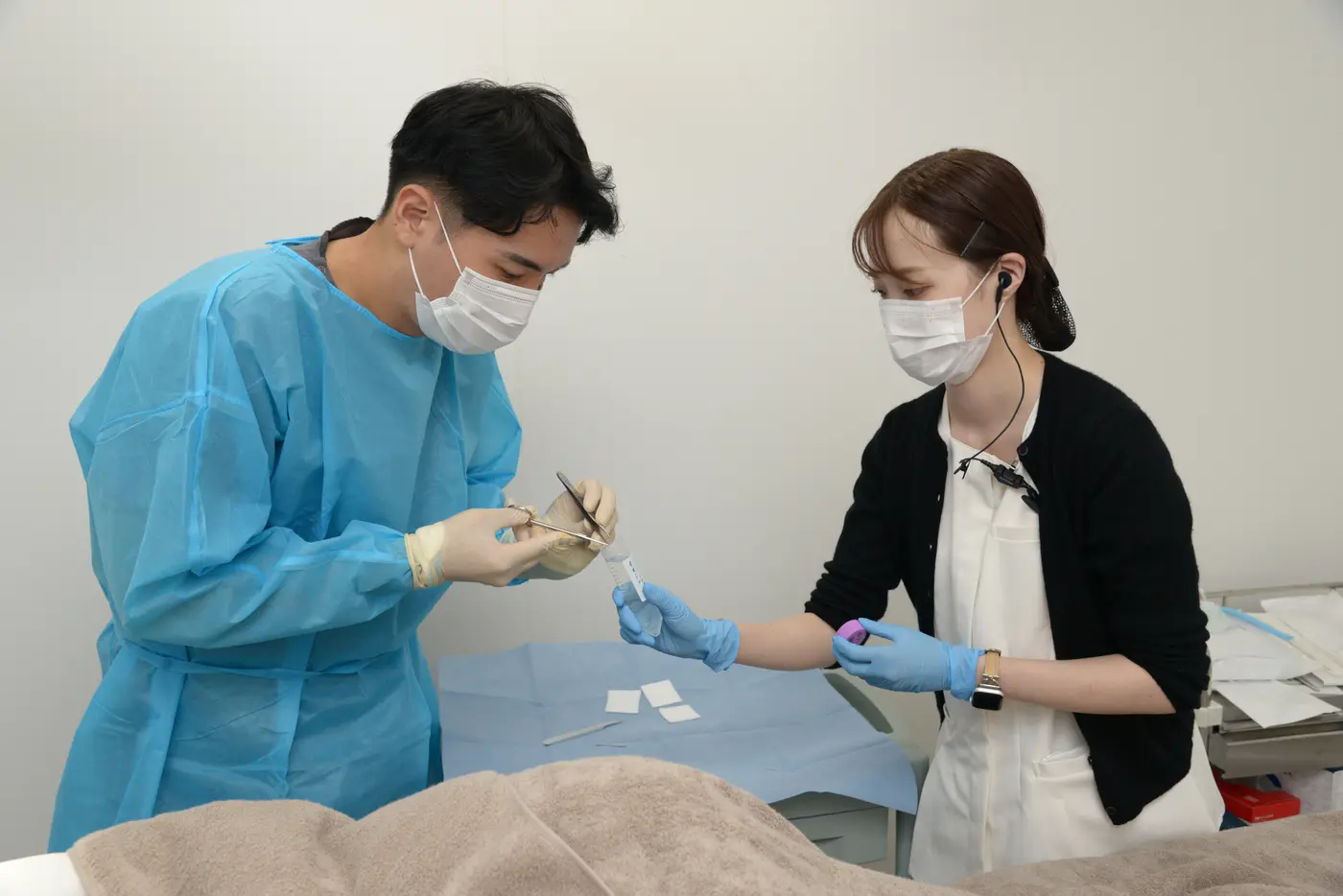
A piece of skin measuring 7 mm by 3 mm — about the size of a grain of rice — is taken from an inconspicuous spot behind the ear. Almost no scar remains.
03 ── Culture
Fibroblasts are cultured from the skin collected. The culture period is four weeks.
04 ── Transplantation
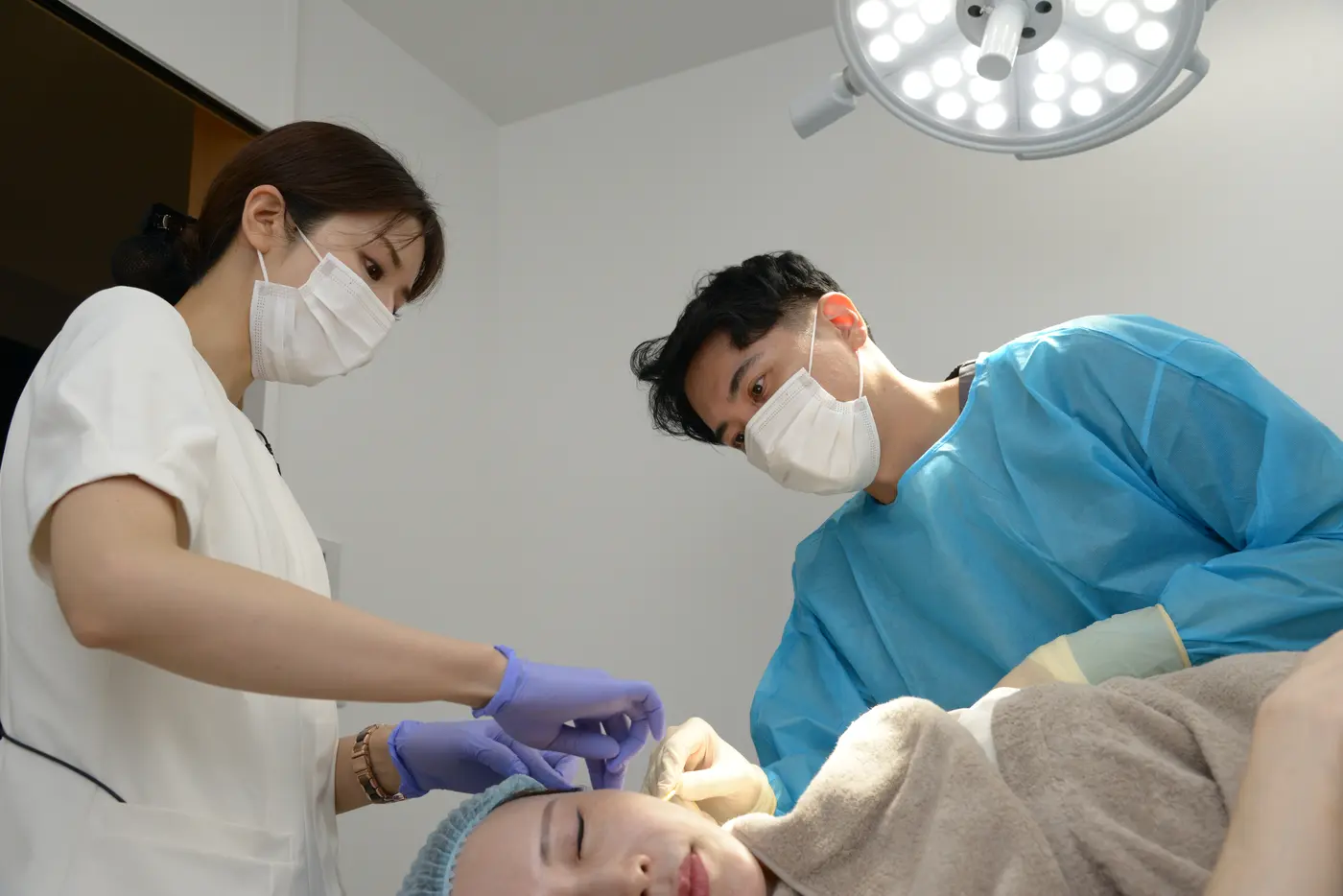
The cultured cells are transplanted into the areas of skin that concern you.
EFFECT
Main Effects
Under-eye shadows
By promoting collagen production and reinforcing thinned skin from within, it makes under-eye shadows less noticeable.
Nasolabial folds
By supporting volume from within, it makes nasolabial folds less noticeable for a natural, more youthful look.
Wrinkles
By raising the skin's internal regenerative capacity and restoring collagen structure, it aims to improve wrinkles from fine lines to deep folds.
Sagging
By promoting the production of the components behind elasticity, a tightening and lifting effect along the jawline can be expected.
Slowing the pace of aging.
Maintaining skin quality and skin firmness.
FAQ
Frequently Asked Questions
 Patient
What kind of treatment is dermal fibroblast therapy?
 Physician
It is regenerative medicine in which fibroblasts collected from your own skin are cultured, expanded and transplanted into the skin.
By replenishing the very cells that produce collagen, elastin and hyaluronic acid, it addresses skin aging at its source.
PatientHow long before I see an effect?
PhysicianIt takes time for the transplanted fibroblasts to settle in and begin producing collagen and other components.
Generally the change is felt gradually over one to three months after the procedure, with the effect tending to stabilize at around six months.
PatientHow long does the effect last?
PhysicianBecause the transplanted cells settle in as part of your own tissue, the effect can be expected to last longer than with hyaluronic acid injections.
How long it lasts varies from person to person, but it is expected to hold for a matter of years.
PatientIs there pain or downtime?
PhysicianAnesthesia is used when the skin is collected and transplanted, so pain during the procedure is limited.
Temporary redness or swelling can appear at the transplant site, but in most cases it settles within a few days.
PatientIs there any risk of allergy or rejection?
PhysicianBecause your own cells are cultured and used, the risk of allergy or rejection is extremely low.
It is carried out under a safety management framework for which notification has been filed as Class II regenerative medicine.
PatientWhich areas can be treated?
PhysicianIt suits areas that move a great deal with expression, such as under-eye shadows, nasolabial folds, and fine lines on the forehead and around the mouth.
Please raise any areas that concern you at your consultation.