

REGENERATIVE
MEDICINE
Stem cell culture supernatant treatment
ABOUT
About Stem Cell Culture Supernatant Treatment
Stem cell culture supernatant,
rejuvenating the whole body.
Regenerative medicine using human mesenchymal stem cells — which have drawn attention alongside iPS cells — is moving into practical use, with therapeutic results reported in a wide range of areas both in Japan and abroad.
Human mesenchymal stem cells are the cells from which every cell in the body derives, and the supernatant produced in the course of culturing them is stem cell culture supernatant.
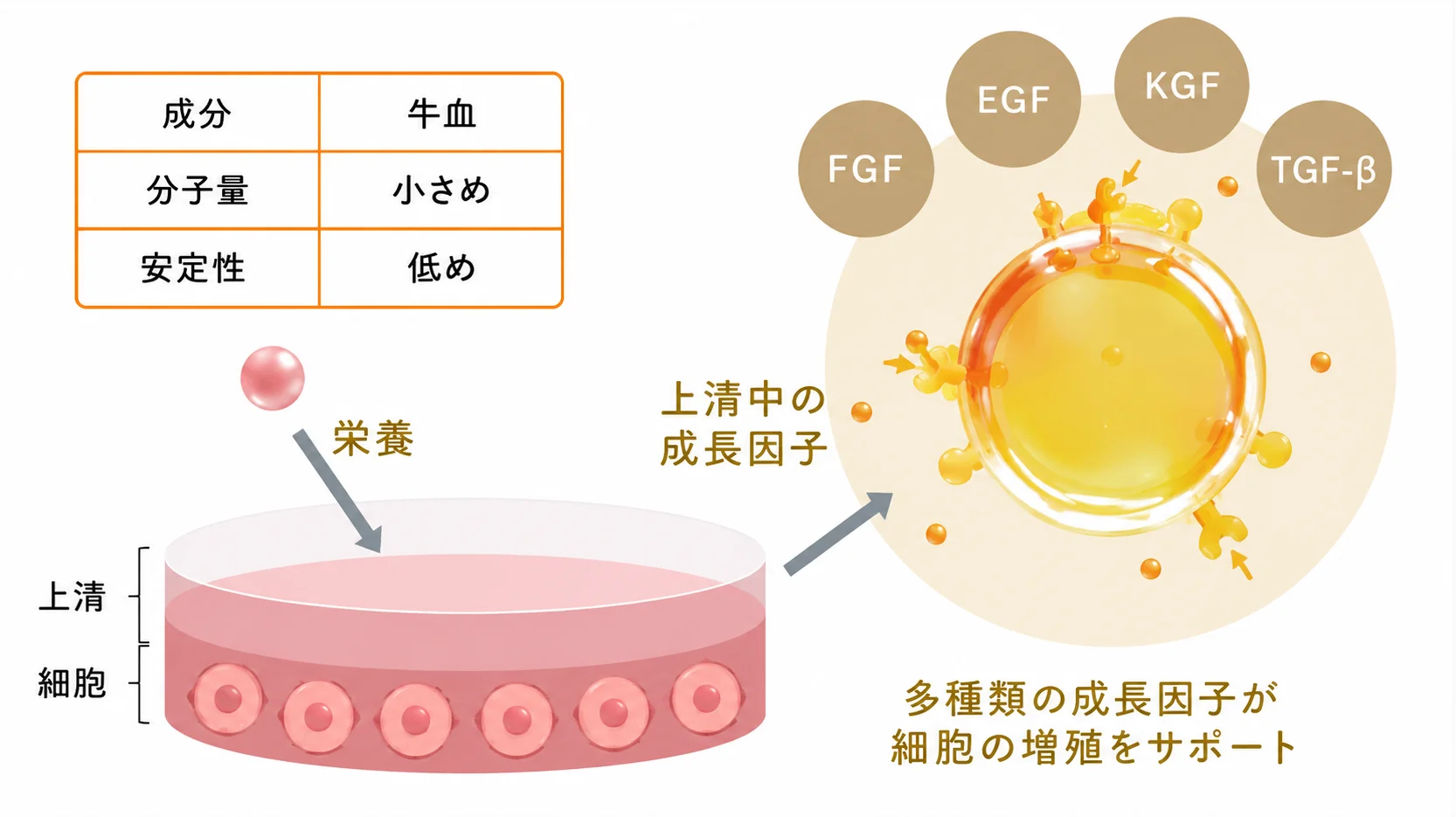
Stem cell culture supernatant is rich in cell growth factors (cytokines) that instruct cells to repair themselves and to generate new cells in response to damage and aging.
By clearing aging factors (SASPs), effects can be expected centred on hair growth, skin quality, improved physiological function, repair of the vascular intima, prevention of lifestyle-related disease, promotion of cell metabolism and anti-inflammatory action.
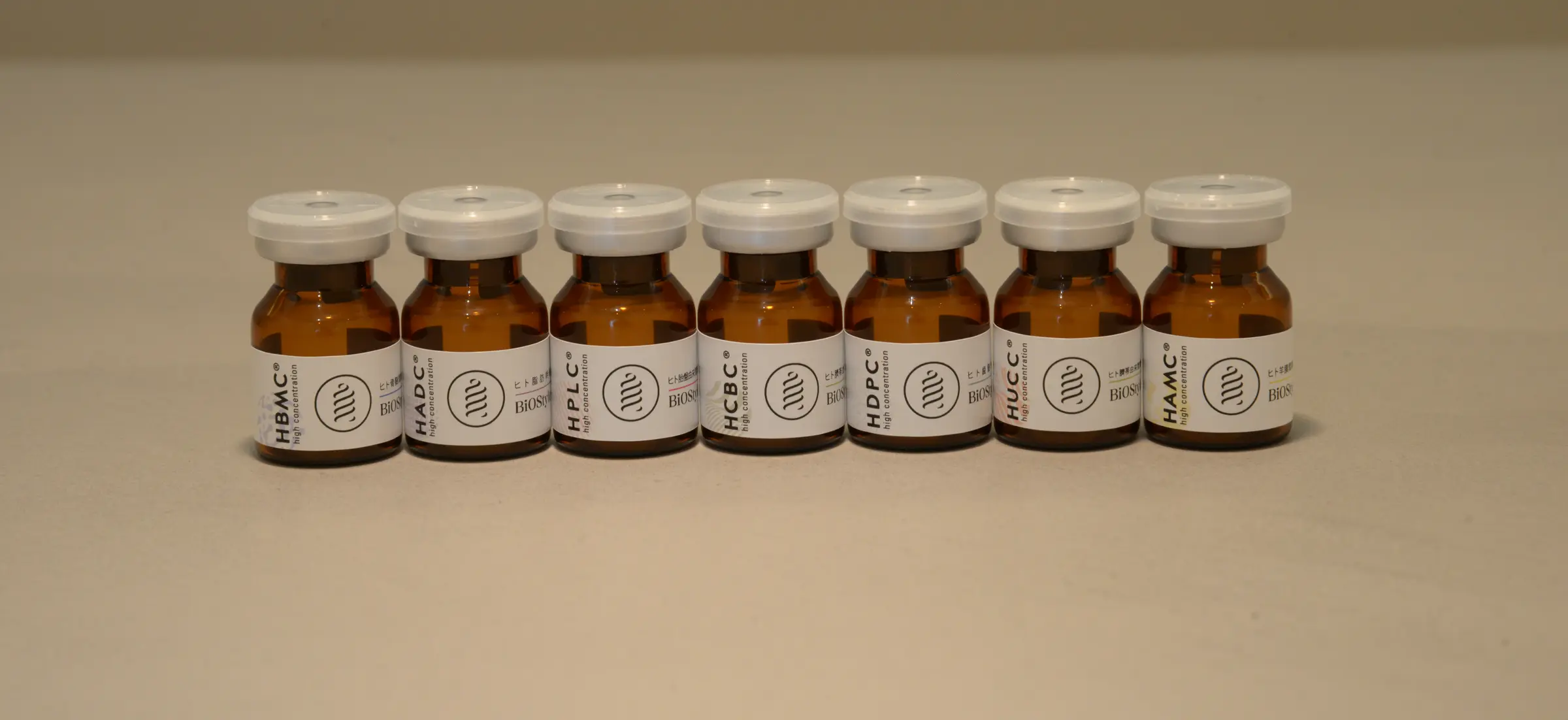
We keep a full range of stem cell supernatants containing some 200 growth factors released by stem cells from seven kinds of healthy young donor tissue, collected from amniotic membrane, cord blood, fat and elsewhere, and select between them through consultation with a doctor.
Our clinic has a Specified Cell-Processing Facility on site. Under a certified regenerative medicine physician with clinical experience among the best in Japan, dedicated technologists trained in the necessary techniques take responsibility for the culture through to the final cell testing, so we can work with stem cell culture supernatant of high quality.
RECOMMENDED
Who It Is For
This treatment is recommended for those with the following concerns.
◎ You want to improve how you feel
◎ You want to recover a more youthful state
◎ You want to improve wrinkles and pigmentation
◎ You want to improve an allergic tendency such as atopic dermatitis
◎ You want to relieve pain in the joints, hands or feet
◎ You want to address hair loss and thinning hair
DIFFERENCE
Compared with Stem Cell Transplantation
Compared with stem cell transplantation, stem cell culture supernatant treatment offers the following advantages.
◎ No surgery to harvest stem cells, no cell culture and no advance testing are required
◎ Sterilized, frozen injection solution is held in advance, so treatment can begin right away
◎ At less than a tenth of the cost of a stem cell transplant, it is affordable and has a strong safety profile
Treatment time: about 15 to 30 minutes depending on the area (excluding consultation)
Visits: one to two times a month as a guide. Regular treatment is recommended.
Notes: showering, bathing and light exercise are possible from the same day.
STEM CELLS
An Effective Supernatant
Among mesenchymal stem cell culture supernatants, this treatment uses not only the widely used adipose-derived growth factors but also amniotic membrane-derived or cord blood-derived mesenchymal stem cell culture supernatant growth factors, which offer particular promise for the skin.
The standard is a course of six sessions, and the total cost is about half that of treatment using adipose-derived autologous stem cells.
The quantities of cytokines (growth factors and the like) extracted differ according to the type of human stem cell.
No single source is simply superior to the others, so we consider it best to select the preparation according to the effect sought.
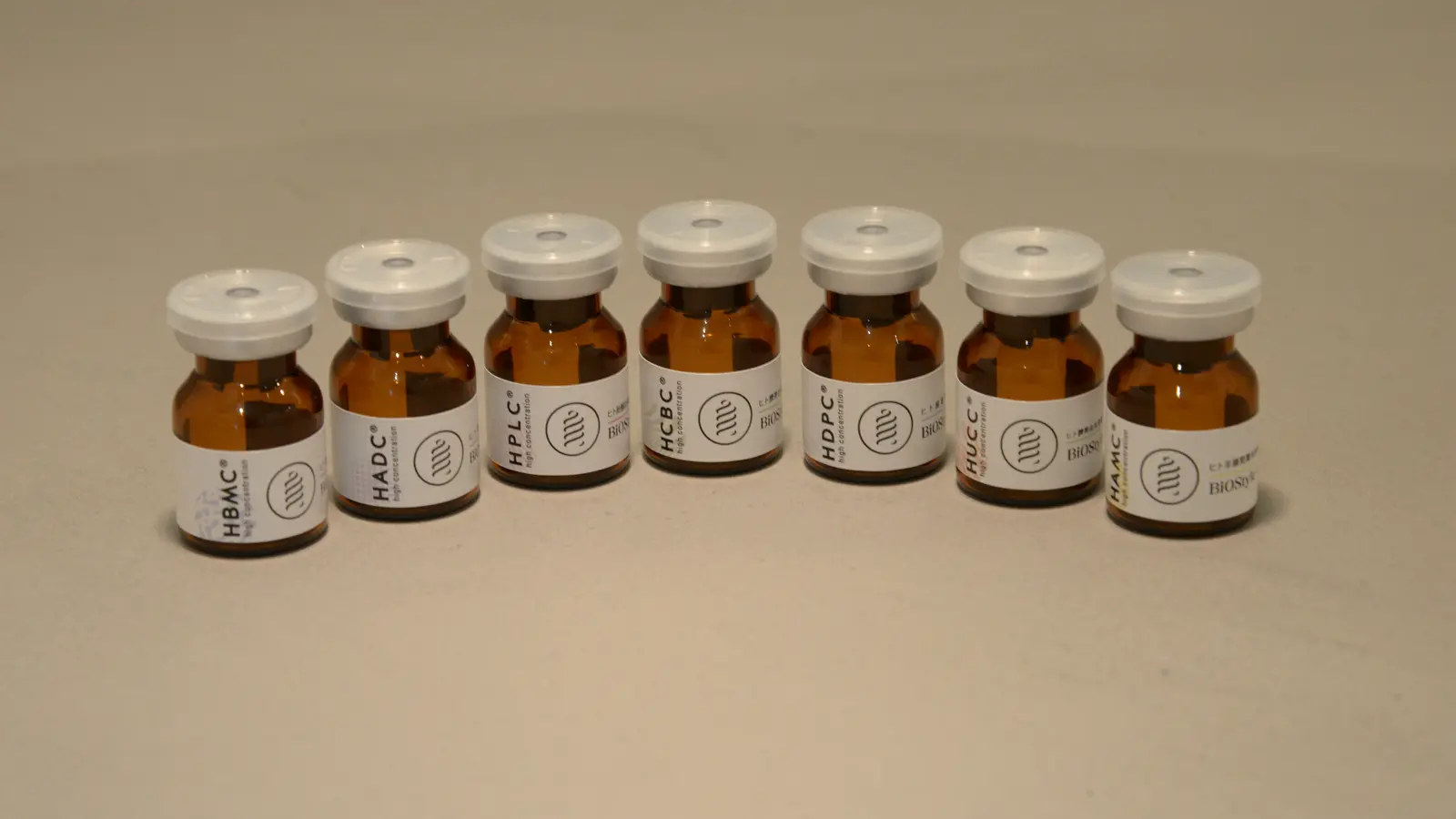
Amniotic membrane-derived mesenchymal stem cellsHAMC®
Amniotic membrane-derived mesenchymal stem cells are collected from the amniotic membrane, the translucent, very thin membrane forming the innermost layer of the uterus and placenta. The amniotic membrane plays an important role in protecting the development of the fetus, and its stem cells have high regenerative capacity and multipotency.
This culture supernatant is particularly effective at maintaining skin firmness and moisture, and works well on skin laxity. It promotes the production of extracellular matrix, helping the skin recover a more youthful state. It also has anti-inflammatory action, so an overall improvement in skin health can be expected.
They combine the ability to differentiate into a range of mesenchymal cell types — muscle, bone, cartilage, fat — with the ability to self-renew, and are considered to have strong immunosuppressive action. Alongside anti-aging effects on the skin such as hair growth, skin conditioning, firmness, wrinkles and sagging, they are also expected to reduce the risk of thinning hair, hair loss, menopausal symptoms, stroke, myocardial infarction, diabetes, hypertension, dementia, atopic dermatitis and rheumatism.
Main growth factors: vascular endothelial growth factor, transforming growth factor, MMP inhibitor, hepatocyte growth factor, epidermal growth factor
Cord blood-derived mesenchymal stem cellsHCBC®
Cord blood-derived mesenchymal stem cells are collected from the fetal-side blood contained in the umbilical cord that connects fetus and mother. Cord blood not only supplies the nutrients and oxygen a newborn needs to develop but is rich in stem cells, and these have very high regenerative capacity.
Cord blood-derived culture supernatant is excellent at strengthening skin firmness and moisture and improving sagging. Cord blood also contains immune-regulating factors, which suppress inflammation in the skin and help keep it in a healthier state.
Beyond anti-aging effects on the skin such as hair growth, skin conditioning, firmness, wrinkles and sagging, the expected effects extend as far as the repair and regeneration of internal organs.
Main growth factors: platelet-derived growth factor, basic fibroblast growth factor, insulin-like growth factor binding protein (IGFBP-3), insulin-like growth factor binding protein (IGFBP-6)
Umbilical cord-derived mesenchymal stem cellsHUCC®
The umbilical cord is the tissue connecting the fetus to the mother's placenta. Where cord blood is the blood flowing through the cord, umbilical cord-derived mesenchymal stem cells are collected from the jelly-like tissue surrounding its blood vessels, known as Wharton's jelly.
Because they can be collected from tissue that would otherwise be discarded at birth, there is no burden on either mother or newborn. Coming from newly formed tissue, they also have high proliferative capacity, yielding cells of good quality.
Adipose-derived mesenchymal stem cellsHADC®
Adipose-derived mesenchymal stem cells are collected mainly from adipose tissue, which contains around 500 times as many as the same volume of bone marrow tissue. These stem cells have very high proliferative capacity and are excellent at forming bone and cartilage and at secreting humoral factors, so they are widely applied in regenerative medicine for osteoarthritis of the knee and other joint disorders, and for aesthetic anti-aging.
Adipose-derived culture supernatant promotes the regeneration of skin and tissue and slows the progress of aging, while also supporting the repair of damaged tissue, contributing to both beauty and health.
Alongside anti-inflammatory action such as promoting healing and reducing pain at damaged and inflamed sites, it is also expected to support collateral angiogenesis where circulation has been cut off by arteriosclerosis, and the repair and regeneration of nerve cells.
Main growth factors: vascular endothelial growth factor, MMP inhibitor, basic fibroblast growth factor, hair matrix cell growth factor, hepatocyte growth factor, insulin-like growth factor
Bone marrow-derived mesenchymal stem cellsHBMC®
Bone marrow-derived mesenchymal stem cells are collected from bone marrow, and the growth factors they contain play an important role in promoting cell proliferation and repair. Bone marrow-derived culture supernatant helps suppress inflammation and regulate the immune response, and is widely applied in tissue regeneration and the treatment of disease.
It is particularly effective in treating conditions that call for tissue repair and regeneration, and supernatant containing bone marrow-derived stem cell components is a promising treatment for age-related damage and chronic conditions.
They have high neural regenerative capacity and are said to differentiate into nerve cells. Alongside recovery of motor function and vision and the balancing of the immune system, they are expected to help prevent recurrence of spinal cord injury and cerebral infarction, improve arteriosclerosis, and prevent dementia, heart failure, kidney failure and liver failure.
Main growth factors: epidermal growth factor, hair matrix cell growth factor, fibroblast growth factor, basic fibroblast growth factor, transforming growth factor
Placenta-derived mesenchymal stem cellsHPLC®
Placenta-derived mesenchymal stem cells are collected from the placenta, the organ that exchanges nutrients and oxygen between fetus and mother and handles the removal of waste. Given its physiological importance, the placenta has very high regenerative capacity and is rich in growth factors and anti-inflammatory factors.
Placenta-derived culture supernatant uses these factors to promote skin regeneration, working on health and beauty from several directions. It is expected in particular to repair the damage that comes with skin aging and to help maintain healthy skin.
The placenta is said to contain both hematopoietic stem cells, which differentiate into blood cells, and mesenchymal stem cells (MSCs), which can differentiate into muscle, bone, nerve and fat.
Because it works to bring immune function back to normal so that allergy from an abnormal immune response does not arise, it is expected to help with allergic rhinitis and atopic dermatitis; and because it promotes the regeneration of damaged tissue and raises recovery capacity, it is expected to strengthen bodily function and help prevent physical decline.
Main growth factors: hepatocyte growth factor, TGF-β1, progranulin, insulin-like growth factor, vascular endothelial growth factor
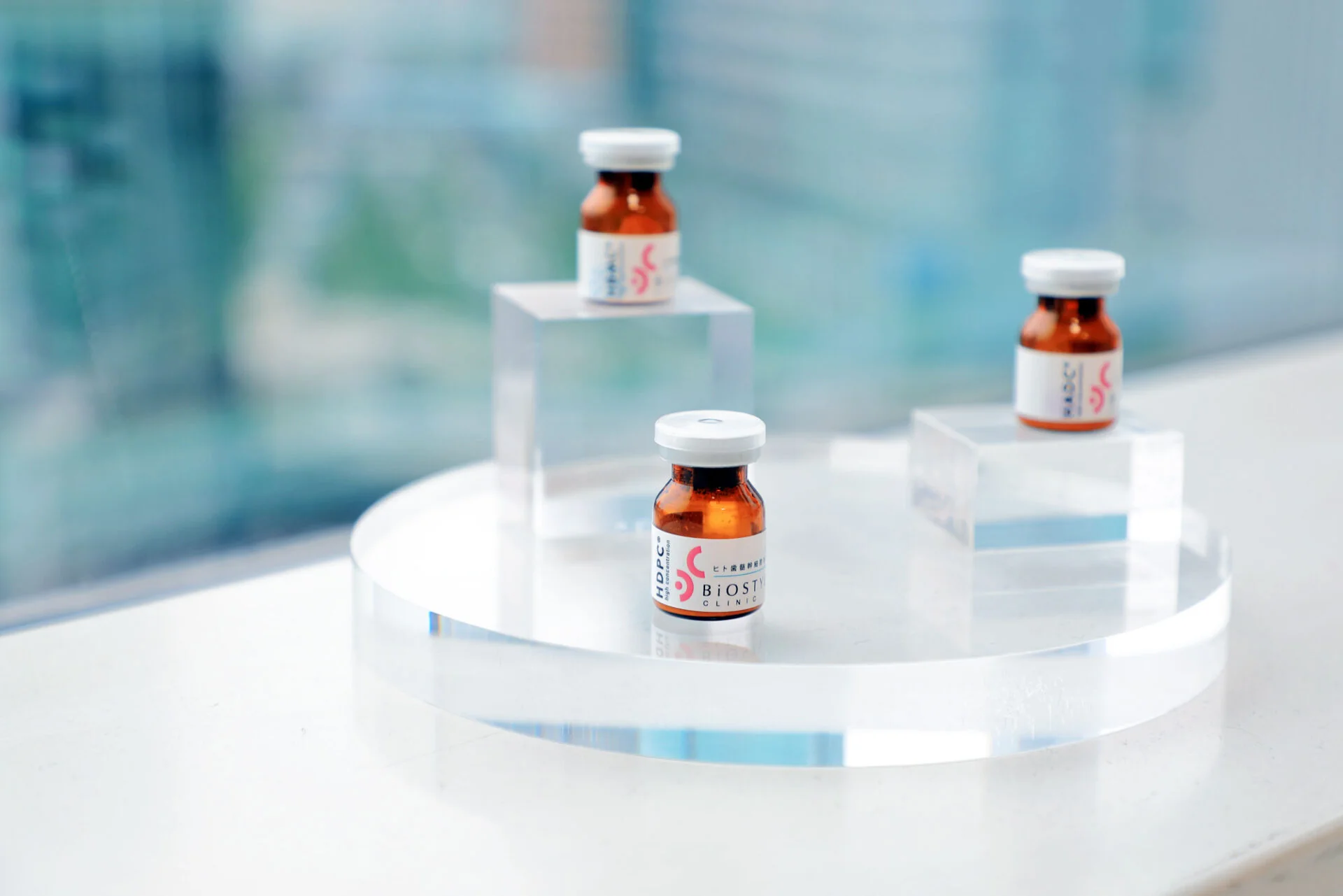
Dental pulp-derived mesenchymal stem cellsHDPC®
Dental pulp-derived mesenchymal stem cells are collected from the nerve at the center of the tooth. They have a particularly high capacity to differentiate into nerve cells, and great hopes rest on them for nerve regeneration and proliferation.
Dental pulp-derived culture supernatant repairs nerve damage and promotes regeneration, supporting the health of the nervous system. It can also be applied to skin rejuvenation and anti-aging of the nervous system, and is expected in particular to help maintain the health of the sensory and autonomic nerves of the skin.
Because they combine the characteristics of neuroectoderm and mesenchymal cells, they are expected to be useful not only for conditions in the mouth but for a range of intractable systemic diseases. They are said to be effective for the organs as well as for repairing and activating the cranial nerves.
Main growth factors: angiogenin, hair matrix cell growth factor, hepatocyte growth factor, MCP-1 (a chemokine)
METHOD
How It Is Administered
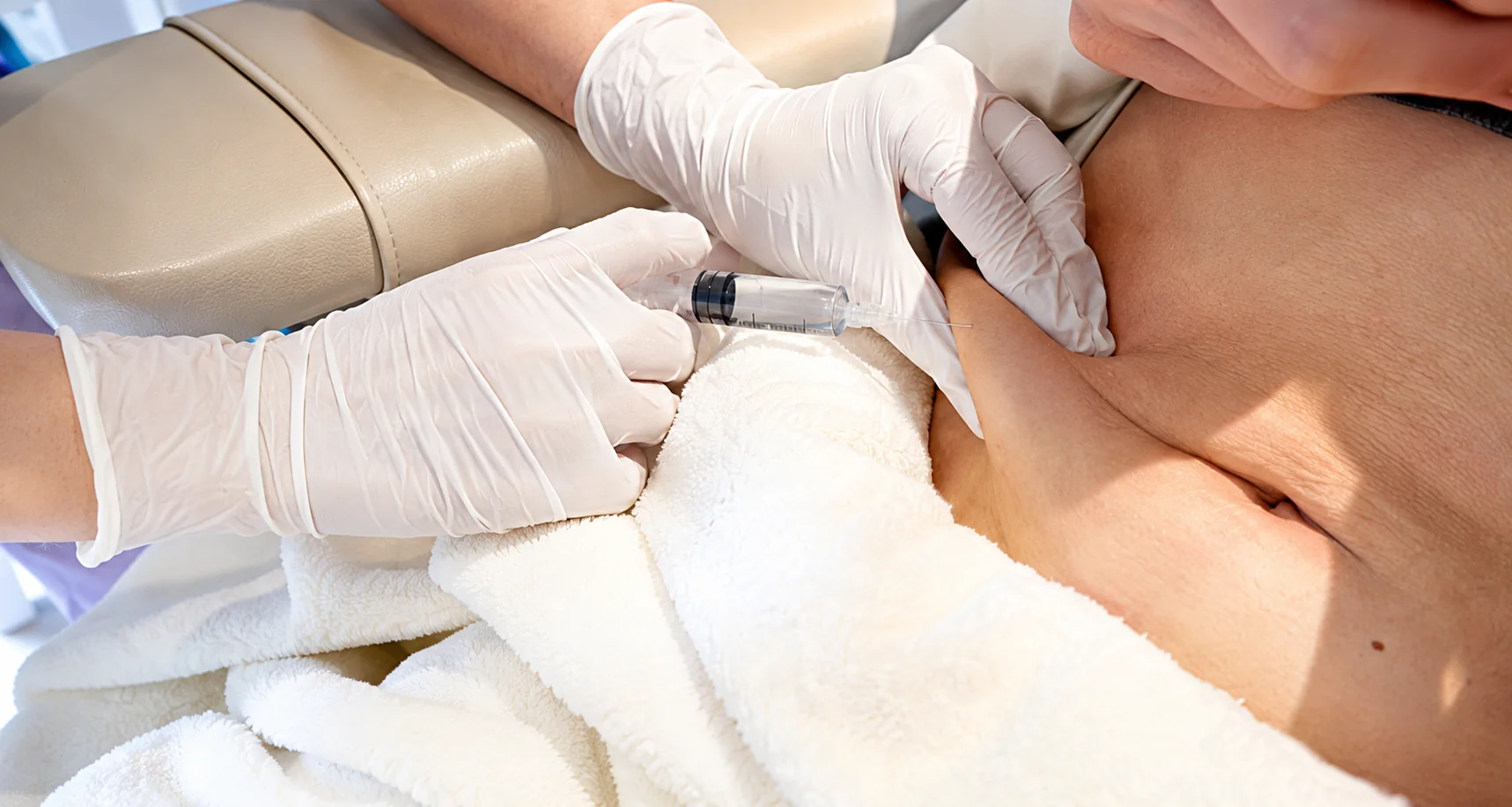
Intravenous injection raises metabolism sharply and tends to cause fever, and it is metabolized by the liver early and excreted by the kidneys before it can take effect, so we recommend subcutaneous injection.
As with a vaccination, the injection goes into the subcutaneous tissue beneath the skin, and it is less painful than intramuscular injection. Because subcutaneous tissue has few blood vessels, absorption is slow, and the preparation acts gently while maintaining its concentration in the blood over a long period. The preparation therefore stays in place, which causes temporary swelling.
EFFECT
What It Does
Stem cell culture supernatant is administered mainly by injection or IV drip. The route and the injection site are chosen according to your concerns.
Aging care that restores weakened cells
Growth factors have a homing effect, gathering at sites where cells have been damaged, where they suppress inflammation and form new blood vessels. They also clear reactive oxygen species, so effects such as recovery from fatigue can be expected.
Relief of pain in the knees, back and shoulders
Growth factors suppress inflammation and repair tissue and nerves, so improvement in pain can also be expected. They suit the treatment of joints injured playing golf or tennis, and of long-standing frozen shoulder.
▶ Local knee joint injection (stem cell culture supernatant)
Aesthetic effects on under-eye shadows, wrinkles and sagging
By promoting skin turnover and circulation and encouraging the production of collagen, elastin and other substances behind skin elasticity, it benefits skin quality and appearance. Injecting stem cell culture supernatant directly into areas where skin aging concerns you can be expected to improve under-eye shadows and fine lines and restore elasticity and firmness.
Improvement of thinning hair, hair loss and AGA
Injecting stem cell culture supernatant directly into the scalp activates hair matrix cells and promotes hair growth. It also works to move hairs in the resting phase of the hair cycle into the growth phase, so an effect on thinning hair, hair loss and AGA can be expected. Because no oral medication is used, women can undergo the treatment with confidence.
Improvement of ED
At our clinic, treatment using stem cell culture supernatant is expected to promote circulation, form new blood vessels and regenerate the endothelial cells of the corpus cavernosum, making improvement in ED possible. We treat patients across a wide age range, from their twenties to their sixties.
OPTION
Options for Added Effect
Stem cell culture supernatant can be expected to work synergistically when combined with aesthetic treatments such as Dermapen.
Dermapen
Dermapen uses ultra-fine needles to create tiny channels in the skin, drawing on the wound-healing response to recover more youthful skin. Because the needles create these tiny channels, stem cell culture supernatant penetrates the skin more readily.
Combining stem cell culture supernatant with Dermapen puts the various growth factors to work, making effects on skin quality and aging care easier to achieve.
Dermapen + Velvet Skin
Velvet Skin combines Dermapen with the peeling agent PRX-T33 (massage peel, or collagen peel). The massage peel is applied after Dermapen treatment, while the skin surface holds a dense array of tiny channels.
This allows the active ingredients to penetrate deep into the skin. Velvet Skin is said to be about three times as effective as a massage peel alone.
CYTOKINES
What the Cytokines Do
| Cytokine | Main effects |
|---|---|
| Vascular endothelial growth factor: VEGF | Hair growth; suppression of ghost vessels |
| Epidermal growth factor: EGF and family | Improvement of pigmentation and dullness, improved epidermal turnover, improvement of wrinkles |
| Keratinocyte growth factor: KGF | Hair growth |
| Insulin-like growth factor: IGF | Skin regeneration, improvement of wrinkles, restoration of firmness and elasticity |
| Platelet-derived growth factor: PDGF | Promotion of cell division; proliferation and regeneration of damaged tissue |
| Transforming growth factor: TGF-β, TGF-α and family | Anti-inflammatory action; wound healing and promotion of cell proliferation |
| Hepatocyte growth factor: HGF | Tissue regeneration and activation |
| Neurotrophic factors | |
| CNTF (ciliary neurotrophic factor) | Promotion of neural stem cell proliferation and activation |
| GDNF (glial cell line-derived neurotrophic factor) | Differentiation and growth of nerve cells; promotion of dopamine uptake |
| NGF (nerve growth factor) | Synthesis and promotion of neurotransmitters, maintenance of nerve cells, repair after cell damage, recovery of cranial nerve function, prevention of Alzheimer's disease and dementia |
| BDNF (brain-derived neurotrophic factor) | Maintenance of nerve cell survival and promotion of growth; prevention of Alzheimer's disease and dementia |
CASE
Case Photographs
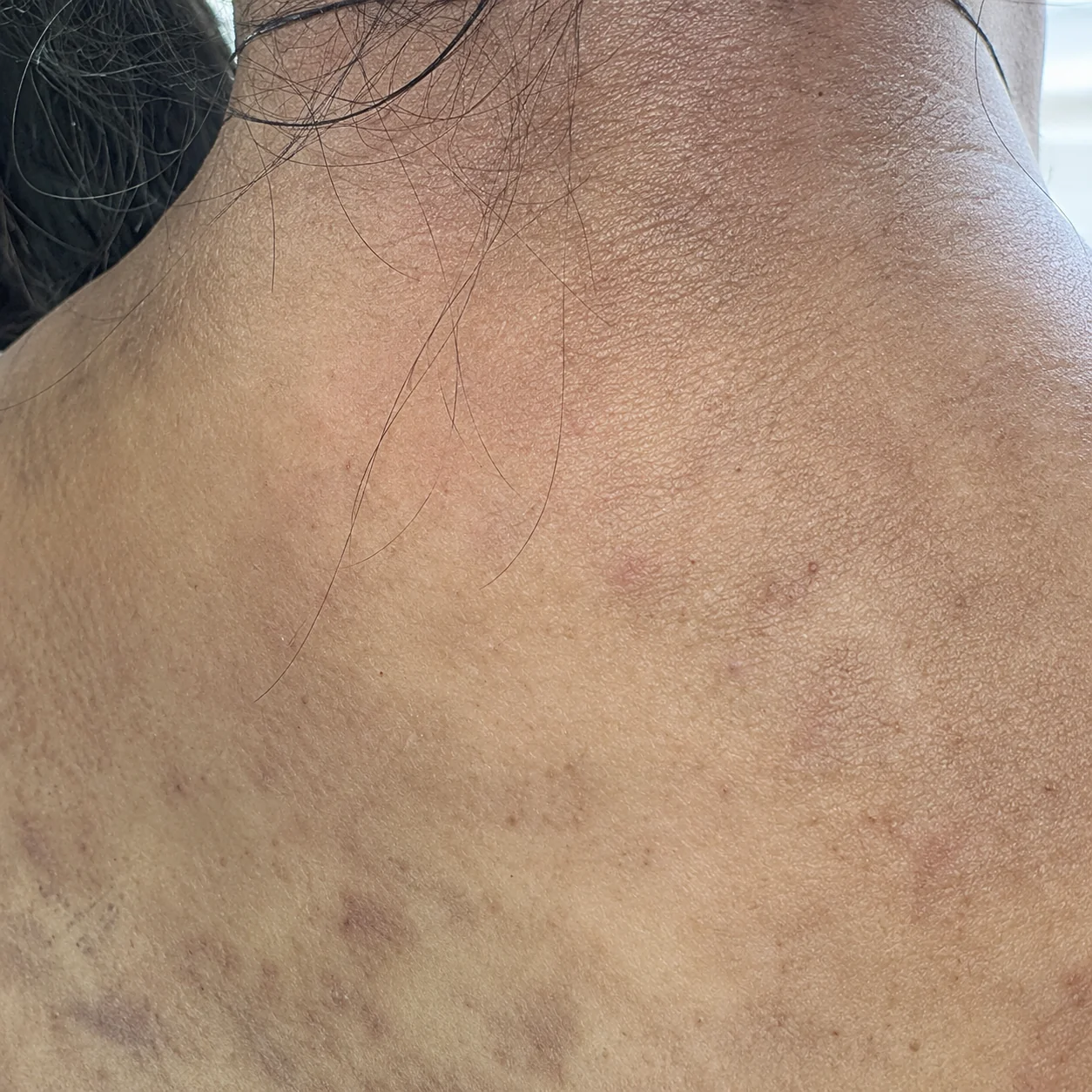
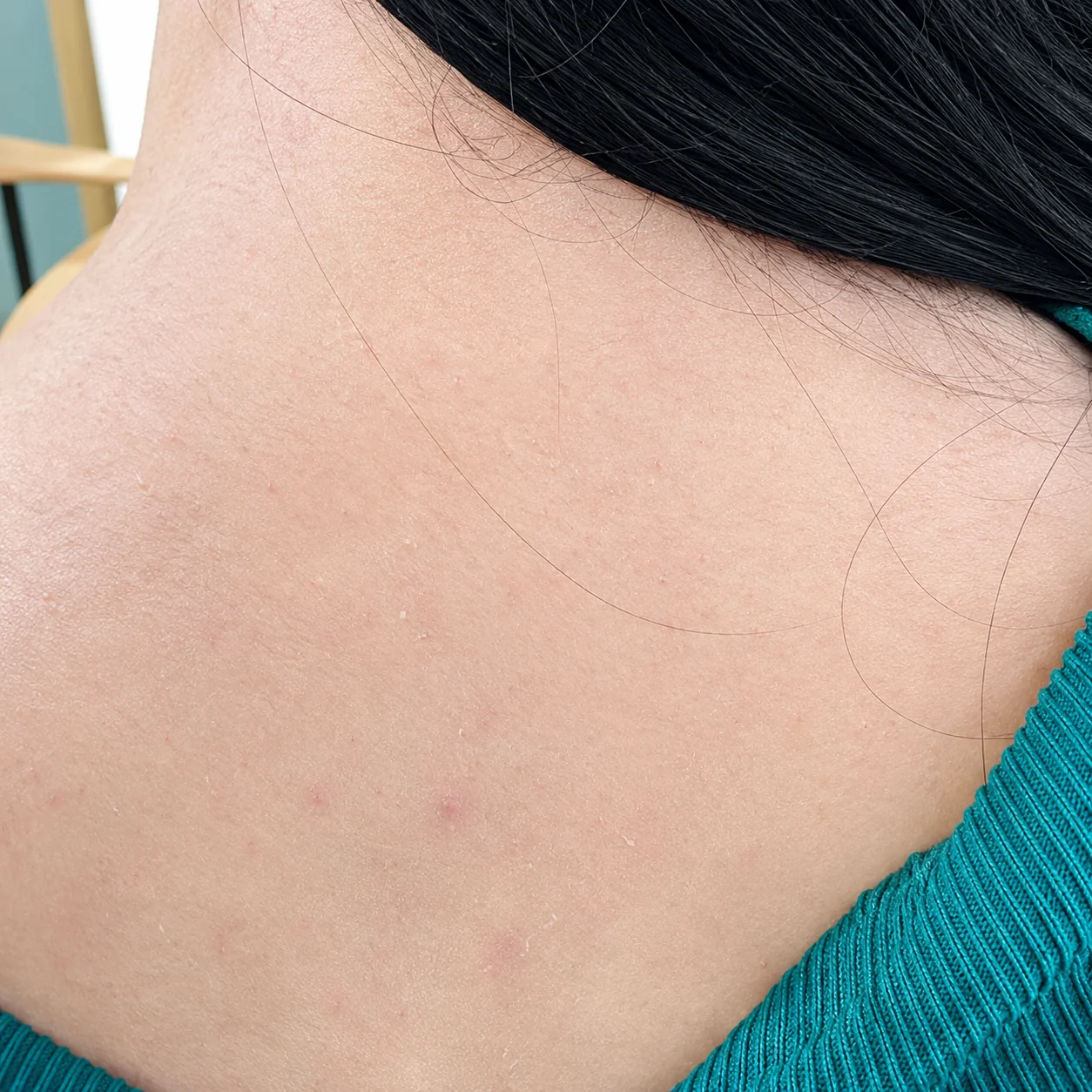
[Treatment] Amniotic membrane-derived stem cell culture supernatant, 3 sessions (subcutaneous injection)
[Course]
The patient had suffered from atopic dermatitis since childhood.
After the first session, skin turnover was stimulated and itching temporarily became stronger.
From the second session onward, the symptoms of atopic dermatitis began to ease.
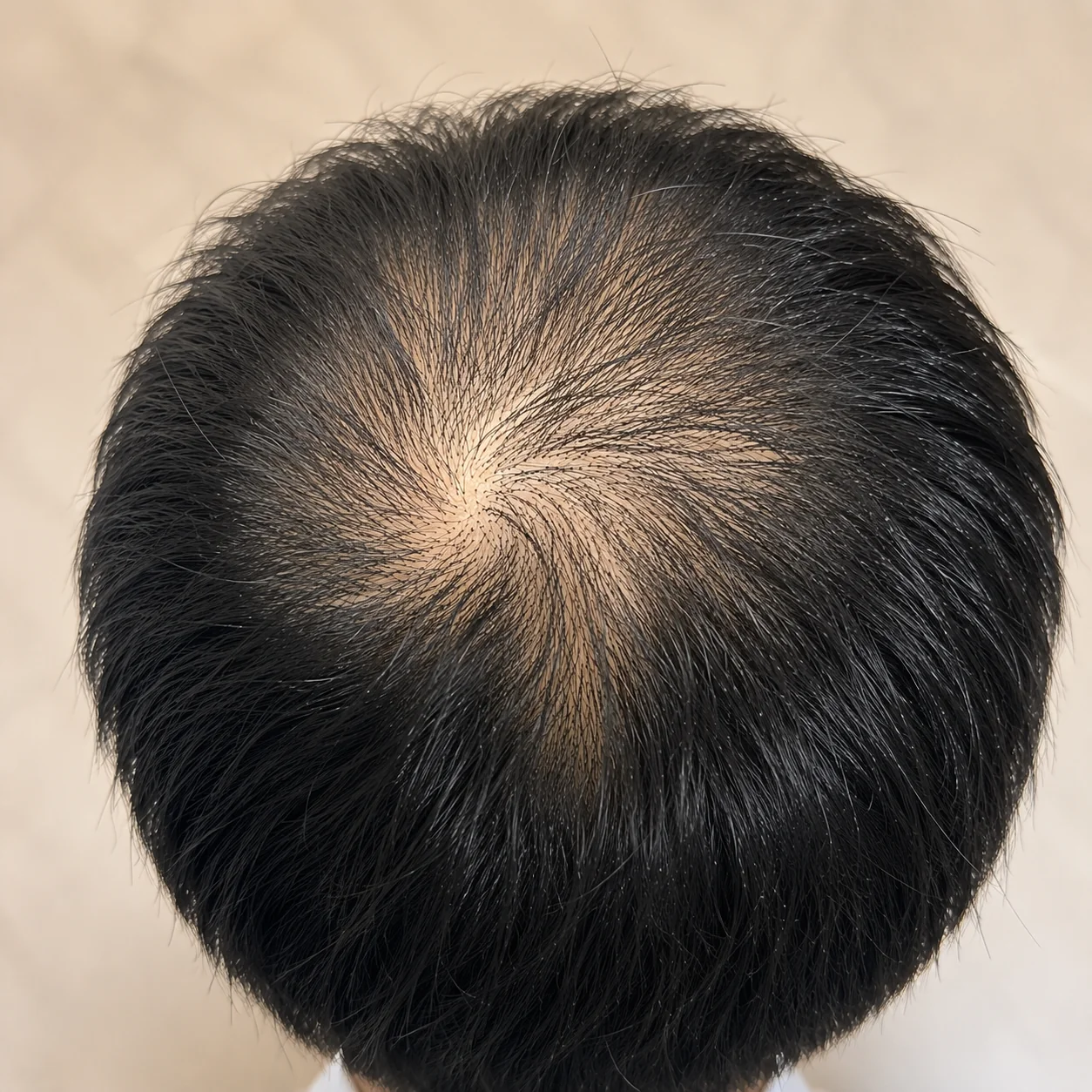
[Treatment] Cord blood-derived stem cell culture supernatant, 3 sessions (subcutaneous injection) + topical minoxidil once daily / 3 sessions
[Course]
The patient was concerned about thinning hair at the crown.
Combining the treatments from the first session and repeating three times held the condition steady.
Adding minoxidil increased density at the hairline on the crown, and the sparse, thinning hair is now improving.
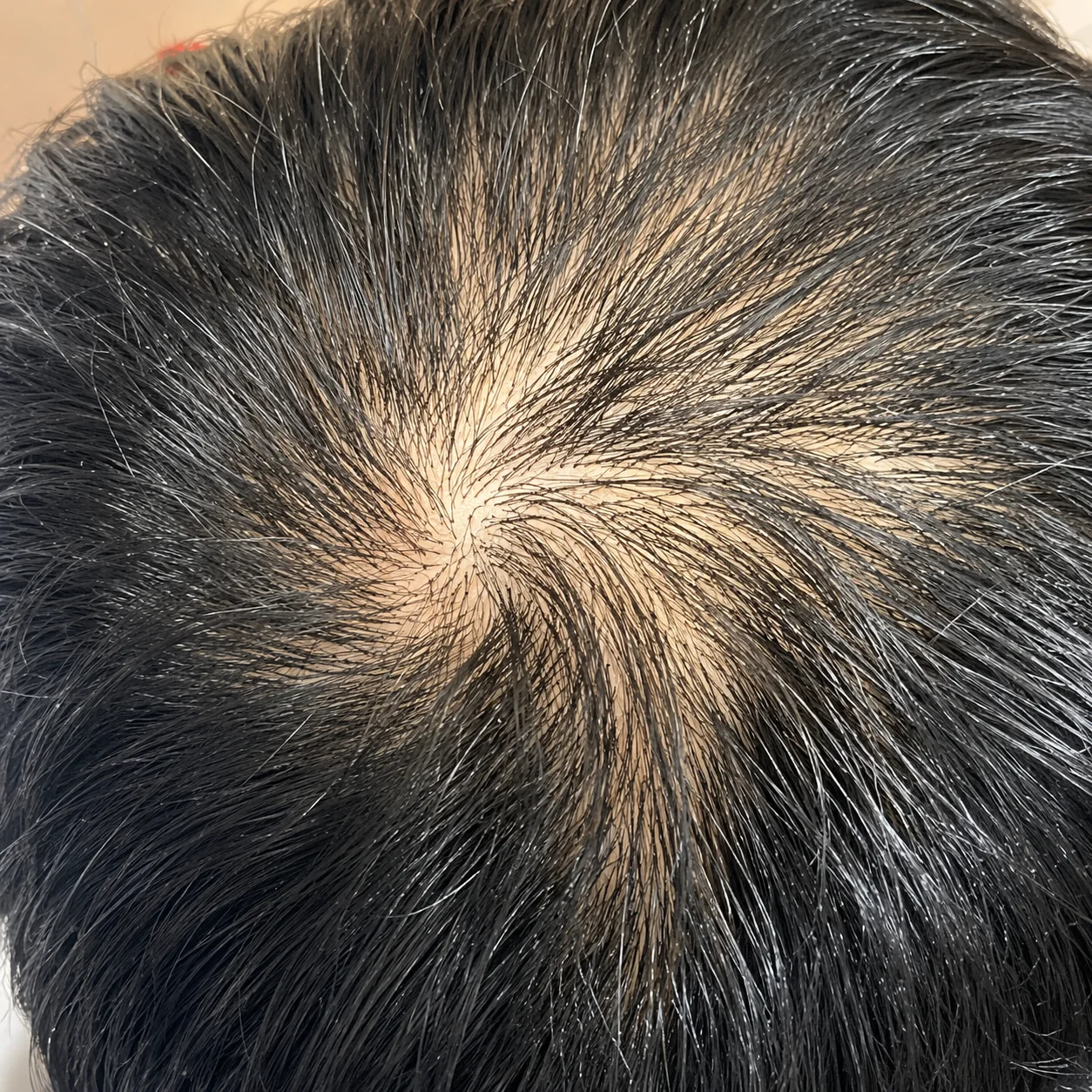
* Effects vary from person to person. Case photographs do not guarantee a therapeutic result.
FLOW
The Process
Get in touch
Contact us by phone or through the form.
Free consultation with a medical advisor
We cannot advise on whether a treatment is suitable for you at this stage, but we will explain the treatments and costs among the seven stem cell culture supernatants that match your wishes and concerns.
Examination by a doctor
The doctor responsible will confirm the final treatment plan.
Treatment begins
Treatment is tailored to each patient. If administered by IV drip, blood glucose is measured before the stem cell culture supernatant drip is given. For local injection, the injection is made directly into the area that concerns you.
Intravenous: IV drip / Subcutaneous: abdomen, buttocks / Local injection: scalp, face and neck, joints (in some cases with a 30-minute MRI scan)
Administration: 15 minutes IV drip: 1 hourFAQ
Frequently Asked Questions
 Patient
What is stem cell culture supernatant?
 Physician
Culture supernatant refers to what is contained in the clear liquid drawn from the medium in which stem cells have been cultured, after sterilization and other processing. It is rich in components important to cell activity, known as cytokines.
PatientWhat is involved in receiving stem cell culture supernatant?
PhysicianBefore treatment you have a consultation and examination with a doctor, at which the details of the treatment, points to note and the cost are explained. The treatment itself then follows, by IV drip or injection. The whole visit takes about one to two hours.
PatientIs there any pain or are there side effects?
PhysicianBecause stem cell culture supernatant is given by injection or IV drip using a needle, you may feel pain as the needle goes in. Redness, itching or swelling can also occur at the puncture site. With an IV drip there is a possibility of hypoglycemic symptoms (cold sweats, yawning, hunger, trembling), so we recommend eating properly before your visit.
PatientHow many sessions should I have?
PhysicianThe effect varies from person to person, but one to three sessions is generally said to be enough to feel a clear benefit. Some people notice an effect after the first session, while others continue over several sessions to build on it. Because the frequency and number of sessions depend on your condition and your goals, it is important to work out the best plan with your doctor during consultation.