

The Background and Impact of Thinning Hair
In Japan, many people face problems with thinning hair and hair loss. This is a particularly serious concern among middle-aged and older men and women, who experience reduced hair volume and changes in hair quality. The causes of thinning hair include genetics, hormonal imbalance, stress, irregular lifestyle habits, poor nutrition, and aging. It is said that the number of people in Japan affected by thinning hair reaches into the millions. In today’s society, where work and family stress are common, mental strain often accelerates the progression of hair loss as well.
The Causes of Thinning Hair and Their Effects
The main causes of thinning hair and hair loss are genetic factors and hormonal changes. In men, androgenetic alopecia (AGA), caused by changes in testosterone, is common, while in women, hormonal changes during pregnancy, childbirth, and menopause play a role. AGA is characterized by thinning hair particularly at the front of the scalp and the crown, and as it progresses, overall hair density decreases.
In addition, stress, lack of sleep, and an unbalanced diet in modern life also contribute to thinning hair. These factors negatively affect the hair growth cycle, resulting in thinner hair and increased hair loss. Smoking, excessive alcohol consumption, and overuse of styling and hair-care products can also damage scalp health, raising the risk of thinning hair.
Current Approaches to Thinning Hair
There is a wide range of approaches to thinning hair, including hair-growth shampoos and tonics, scalp massage, supplements, and hair transplant surgery. Hair-growth shampoos and tonics help condition the scalp and promote hair growth, but it takes time before results are noticeable. These products contain ingredients that improve scalp blood flow and activate hair matrix cells, but they need to be used daily and require ongoing care.
Hair transplant surgery is highly effective, but it is expensive, and many people feel anxious about undergoing surgery. It also requires downtime and aftercare following the procedure, which can be a significant burden for busy people today. Aftercare following surgery requires keeping the scalp clean and properly moisturized, and ongoing follow-up is also essential.
Supplements and nutritional therapy can also help, but they don’t work immediately and require long-term commitment. It’s important to consume a balanced mix of nutrients that support hair health, such as vitamins, minerals, and amino acids, but dietary improvement alone is sometimes not enough. Because the effectiveness of these methods varies from person to person, it’s important to find the approach best suited to you.

The Innovation of Stem Cell Culture Supernatant Treatment
Amid this landscape, stem cell culture supernatant is drawing attention as a new approach to treating thinning hair. Stem cell culture supernatant is rich in growth factors, which help activate hair matrix cells. Specifically, PDGF (platelet-derived growth factor) and IGF-1 (insulin-like growth factor) support hair regeneration. These growth factors work to promote cell proliferation and regeneration, improving scalp health and supporting hair growth at its root.
Stem cell culture supernatant treatment offers a new approach distinct from conventional hair loss treatments, and its effectiveness has been demonstrated in numerous clinical studies. This treatment works by activating hair matrix cells, promoting hair growth, and addressing thinning hair and hair loss at their root. In addition, the action of growth factors improves scalp blood flow, allowing nutrients to reach the hair follicles more effectively.
How Stem Cell Culture Supernatant Treatment Works
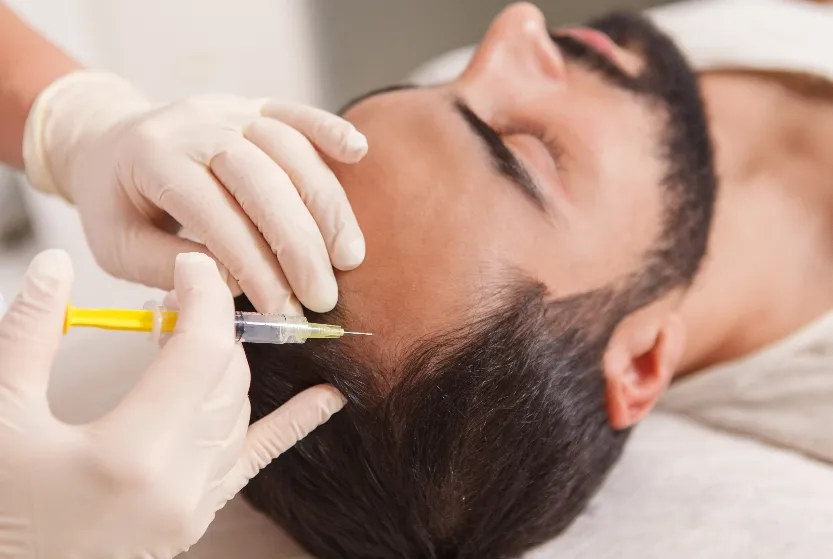
In stem cell culture supernatant treatment, a supernatant containing growth factors is injected directly into the scalp. Using injections or microneedles, growth factors are delivered to the hair matrix cells, promoting hair growth at the root. This treatment can be combined with other hair-growth tonics and shampoos to enhance its effect. The supernatant is formulated to penetrate the scalp easily, and using injections or microneedles allows growth factors to reach the hair matrix cells directly.
Treatment using injections or microneedles can be completed quickly, with minimal discomfort. Because you can return to your daily life immediately after treatment, even busy people can undergo it without difficulty. Continuing treatment on a regular basis also helps achieve a lasting effect. Typically, treatment once or twice a month is recommended, with the optimal treatment plan tailored to each individual’s condition.

The Benefits of Stem Cell Culture Supernatant Treatment
The biggest benefit of stem cell culture supernatant treatment is that it causes few side effects. Compared with conventional drug therapy, it uses naturally derived ingredients, making it highly safe and something you can undergo with peace of mind. It is also manufactured under strict quality control, and its safety and effectiveness have been confirmed in numerous clinical studies. Because this treatment does not use chemical drugs, it carries a lower risk of allergic reactions or side effects, and is safe enough to be used over the long term.
In addition, stem cell culture supernatant can be customized to each patient’s condition, enabling more effective treatment. For example, if a patient is lacking in a particular growth factor, a supernatant formulated to supplement that component can be used to maximize the effect. Follow-up and aftercare after treatment are also thorough, providing support to help maintain the treatment’s effect.

The Role of Specialized Clinics
Many advanced clinics maintain their own dedicated specified cell-processing facility, overseen by physicians specializing in regenerative medicine. Skilled cell culture technologists provide high-quality stem cell culture supernatant, ensuring consistently fresh, effective treatment. This allows patients to receive treatment with peace of mind and get the most out of its effects. Clinics make use of the latest equipment and technology to provide a treatment plan tailored to each patient.
Clinics also conduct a thorough consultation and examination before treatment to understand each patient’s condition and propose the most suitable treatment approach. This helps maximize the treatment’s effectiveness and improves patient satisfaction. In addition, clinics provide thorough follow-up after treatment, offering advice and support to help maintain the treatment’s effects.
Care and Support After Treatment
After stem cell culture supernatant treatment, you can return to your daily life right away, but proper aftercare is important to get the most out of the treatment’s effects. Showering and light exercise are fine immediately after treatment, but it is recommended that you avoid strenuous exercise and excessive scalp massage. Because the scalp can be sensitive after treatment, be sure to avoid excessive stimulation or applying strong pressure.
Aftercare includes proper moisturizing and keeping the scalp clean. It is recommended to follow the aftercare instructions provided by your clinic and use the designated hair-growth shampoo and treatment products. Improving your lifestyle habits and eating a balanced diet are also important for enhancing the treatment’s effect. Managing stress and getting enough sleep are also essential to maintaining healthy hair.
The Effectiveness and Duration of Treatment
The effect of stem cell culture supernatant treatment varies from person to person, but improvement in hair density and quality is commonly seen after several sessions. Within a few weeks of starting treatment, hair growth is expected to be promoted and the progression of thinning hair to be suppressed. While many people notice results after the first few sessions, ongoing treatment is needed to achieve ideal results.
Regular treatment is recommended to sustain the effect. Typically, treatment once or twice a month is effective, with the optimal treatment plan tailored to each individual’s symptoms and progress. Since continuing treatment over the long term can be expected to produce more lasting results, it’s important to determine the optimal schedule together with your physician.

The Cost and Value of Treatment
The cost of stem cell culture supernatant treatment can be higher than general hair loss treatments, but because effective results can be expected, it is considered good value for the cost. The total cost of treatment varies depending on the number of sessions, the amount of supernatant used, and the clinic’s facilities, but many clinics offer package plans, allowing you to receive effective treatment while managing costs.
Stem cell culture supernatant treatment is also often more affordable than treatment using a patient’s own stem cells, making it a more accessible option. Regarding treatment costs, you can receive a detailed explanation from the clinic in advance and choose a plan you’re comfortable with.
What to Know Before Starting Treatment
Before undergoing stem cell culture supernatant treatment, it’s important to check a few things. First, confirm the credibility and track record of the clinic providing the treatment. It’s recommended to receive treatment at a clinic with a certified regenerative medicine specialist, or one equipped with a high-quality specified cell-processing facility. It’s important to gather sufficient information about the treatment’s effectiveness and safety in advance.
It’s also important to have a consultation with a physician before treatment, to develop a treatment plan suited to your condition and goals. If you have any questions or concerns about the treatment, don’t hesitate to talk to your physician or the clinic staff. Understanding the treatment more fully will let you undergo it with greater peace of mind.
The Latest Hair Loss Treatment at BiOSTYLE Clinic Ginza
Stem cell culture supernatant treatment is drawing attention as a groundbreaking approach to improving thinning hair and hair loss. Its safety and effectiveness have been confirmed in numerous clinical studies, and it can be customized to each patient’s condition. At BiOStyle Clinic, aftercare and ongoing follow-up are also thorough, allowing you to undergo treatment with peace of mind. If you’re struggling with thinning hair or hair loss, why not consider stem cell culture supernatant treatment? For details about the treatment and whether it may be right for you, please contact BiOSTYLE Clinic Ginza.