
Japan’s population is aging rapidly, and the number of people with dementia is rising sharply as a result. As of 2022, it is reported that roughly 1 in 8 people aged 65 and older in Japan — about 4.5 million people — live with dementia. This figure is projected to reach roughly one-third of those aged 65 and older by 2050. As the population ages, the risk of dementia is also rising, with major implications for society as a whole. In addition, mild cognitive impairment (MCI) is an issue that cannot be overlooked. MCI is a precursor stage to dementia, and around 6.3 million people aged 65 and older are in this state. Early intervention at this stage is key to slowing the progression to dementia. Taking appropriate action during the MCI stage increases the likelihood of preventing the onset of dementia. Because so many older adults face dementia or its precursor conditions, early detection and prevention are extremely important. The government is also advancing measures such as the New Orange Plan, but many challenges remain.

The Importance of Treating and Preventing Dementia
Once dementia develops, treating it becomes very difficult. With current medical science, there is no established way to fully cure dementia. Treatment for dementia is mainly aimed at slowing the progression of symptoms or easing them. For example, drug therapy and non-drug therapies (rehabilitation, cognitive training, psychotherapy, and so on) are used, but all have their limits.
Drug therapy uses medications such as acetylcholinesterase inhibitors and NMDA receptor antagonists, but these can only slightly slow the progression of symptoms. There is also a risk of side effects, and they are not suitable for every patient. The effectiveness of non-drug therapies also varies depending on each patient’s condition, and long-term improvement can be difficult to expect in some cases.
Because treating dementia is so difficult, prevention is extremely important. Lifestyle improvements and early detection are key to preventing dementia. Moderate exercise, a balanced diet, social interaction, and cognitive training are all recommended as preventive measures. However, without knowing specifically how much risk you actually face, it can be difficult to take the right preventive measures.
That’s exactly why analyzing your dementia risk at an early stage is so important. If you can understand your risk in advance, you can take appropriate measures early and help prevent the onset of dementia.
A Brain Health Assessment Program That Checks the State of Your Brain’s Health
The brain begins to decline starting in your 30s. Our brain cells are lost little by little every day, at a rate reaching tens of thousands of cells per day. Of course, this rate varies from person to person — some people decline rapidly, while others manage to keep a youthful brain for a long time.
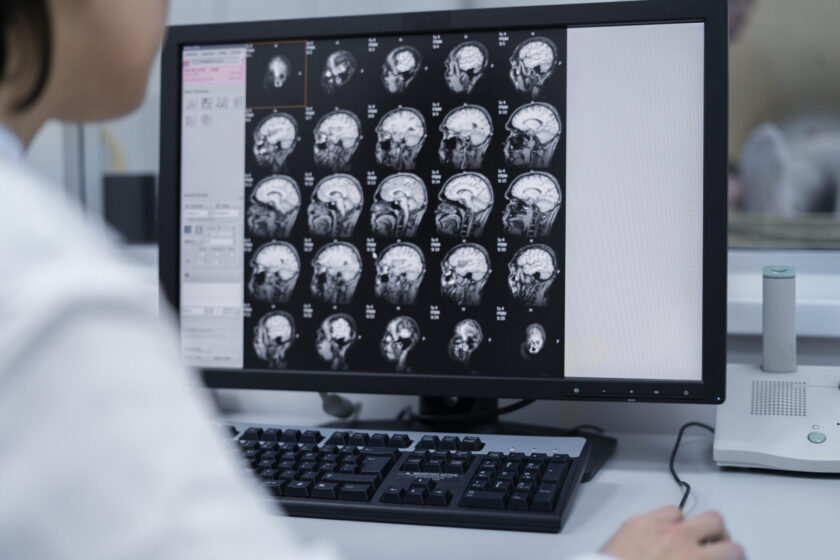
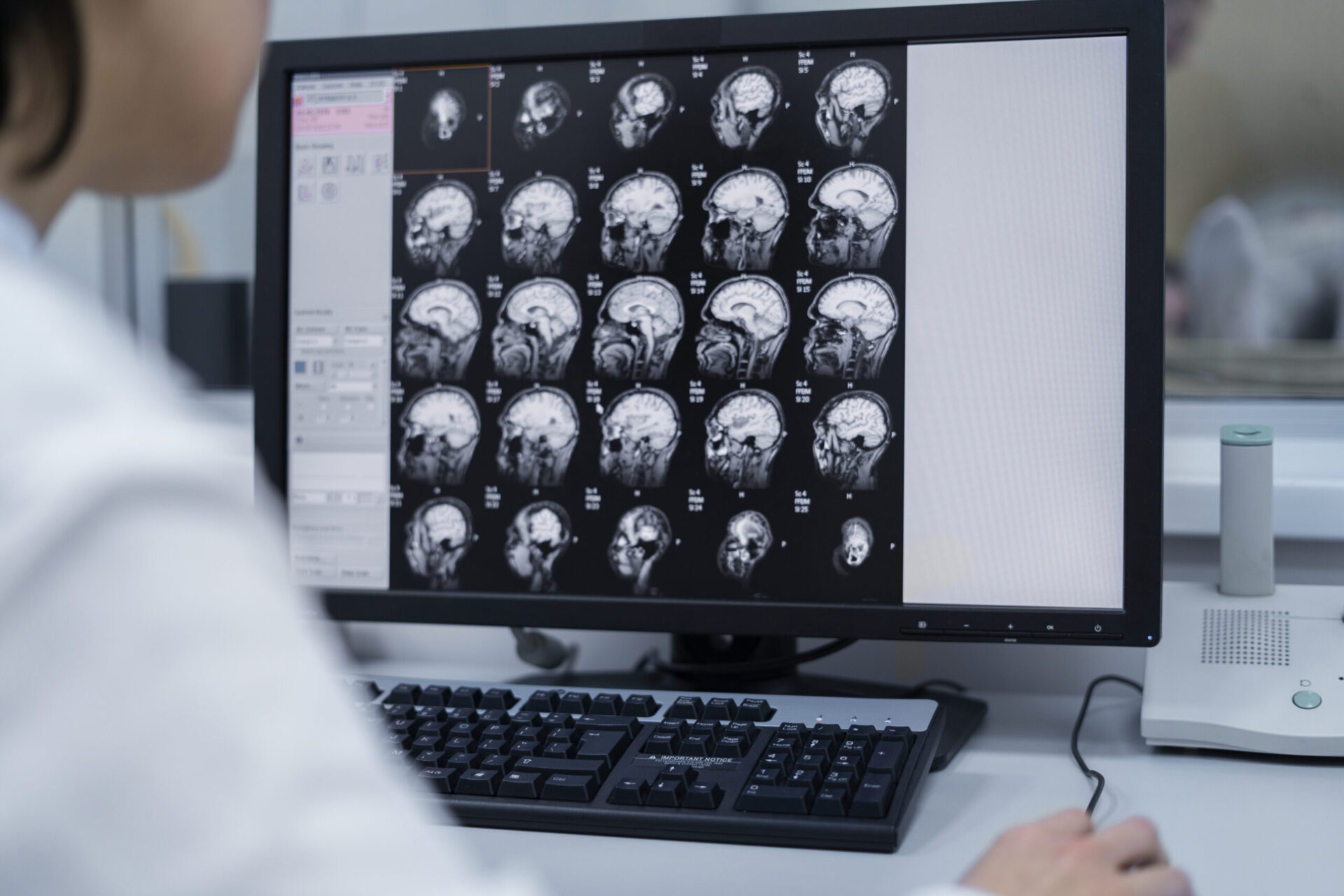
BiOStyle Clinic offers an examination that quantifies the state of your brain’s health. As we age, the brain loses neurons, and the gaps between brain structures grow larger. The Brain Health Assessment Program lets you understand the state of your brain’s health through clear data, by examining the size of these gaps and the health of your cerebral blood vessels (the volume of white matter lesions). Using a dataset of more than 30,000 cases, the Brain Health Assessment Program can even show how different your brain is from the average brain. It also offers lifestyle advice essential to brain health, making it a useful way to prepare for future risks such as stroke and dementia.
The analysis performed by the Brain Health Assessment Program is highly precise and reliable. It has been used by more than 4,000 researchers to date, and more than 100 papers have been published based on it. Thanks to this track record, an increasing number of medical institutions have been adopting it in recent years. THE PREVENTION CLINIC TOKYO, a members-only VIP comprehensive health checkup clinic affiliated with BiOSTYLE Clinic Ginza, introduced the Brain Health Assessment Program early on and has used it to analyze dementia risk for many patients.
The Features of the Brain Health Assessment Program
Highly Reliable, Quantitative “Brain Data”
The Brain Health Assessment Program combines licensed technology from Johns Hopkins University, home to one of the world’s foremost research facilities, with an independently compiled dataset of more than 30,000 cases, among the largest of its kind in the world, to deliver a highly reliable report based on the shape of your brain.
Take Action Before Dementia Develops
“Brain data” lets you compare your brain with others of the same age, understand your brain age, and even track how your brain changes year by year. You can start working toward a healthier brain before brain function ever begins to decline.
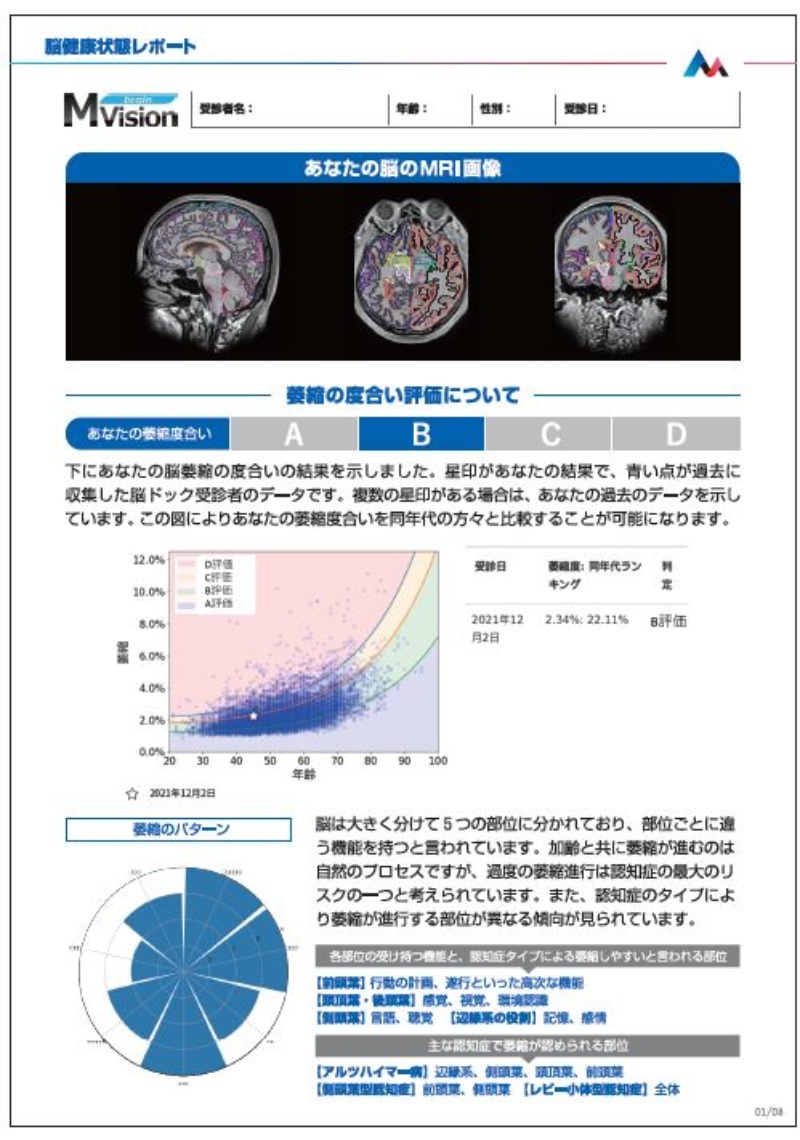
An Easy-to-Understand Brain Analysis Report
The Brain Health Assessment Program’s brain analysis report uses charts and plain-language explanations to clearly convey the degree of brain atrophy, white matter lesions, and dementia risk to each patient.
Comparing Brain Atrophy With Your Age Group
MRI images are analyzed to compare the degree of brain atrophy with others of the same age. For example, if a 70-year-old’s brain atrophy is progressing faster than the average for their age group, that person may be considered at higher risk of dementia. This comparison lets patients objectively understand the state of their brain’s health and take any necessary measures early. Comparing the results against past data also makes it possible to track the rate of brain atrophy over time.
Assessing Brain Atrophy by Region
The program examines in detail which parts of the brain are affected by atrophy, and to what degree. For example, atrophy of the hippocampus, which governs memory, may raise concern about declining memory. This analysis lets patients understand which areas may be affected and take specific action accordingly. It also evaluates the brain in detail across seven regions, allowing early detection of abnormalities in specific areas.
Measuring the Volume of White Matter Lesions
White matter lesions affect an important part of the brain involved in transmitting information, and an increase in these lesions raises the risk of dementia. The Brain Health Assessment Program quantitatively measures the volume of white matter lesions and monitors how they change over time. This makes it easier for physicians to develop a long-term health management plan. Detecting changes in white matter lesions early makes it possible to choose appropriate preventive measures and treatments.

Who Should Consider the Brain Health Assessment Program
If even one of the following applies to you, we recommend having your brain examined.
-
- You drink alcohol frequently
-
- You often work overtime and don’t get enough sleep
-
- You aren’t eating a balanced diet
-
- You don’t get much exercise
-
- You’re curious about your brain age
-
- You want to know the state of your own brain
-
- You want to maintain a healthy brain
-
- You have a family member with dementia and feel anxious about it
-
- It takes you longer to learn new things than it used to
-
- You’ve started forgetting people’s names more often
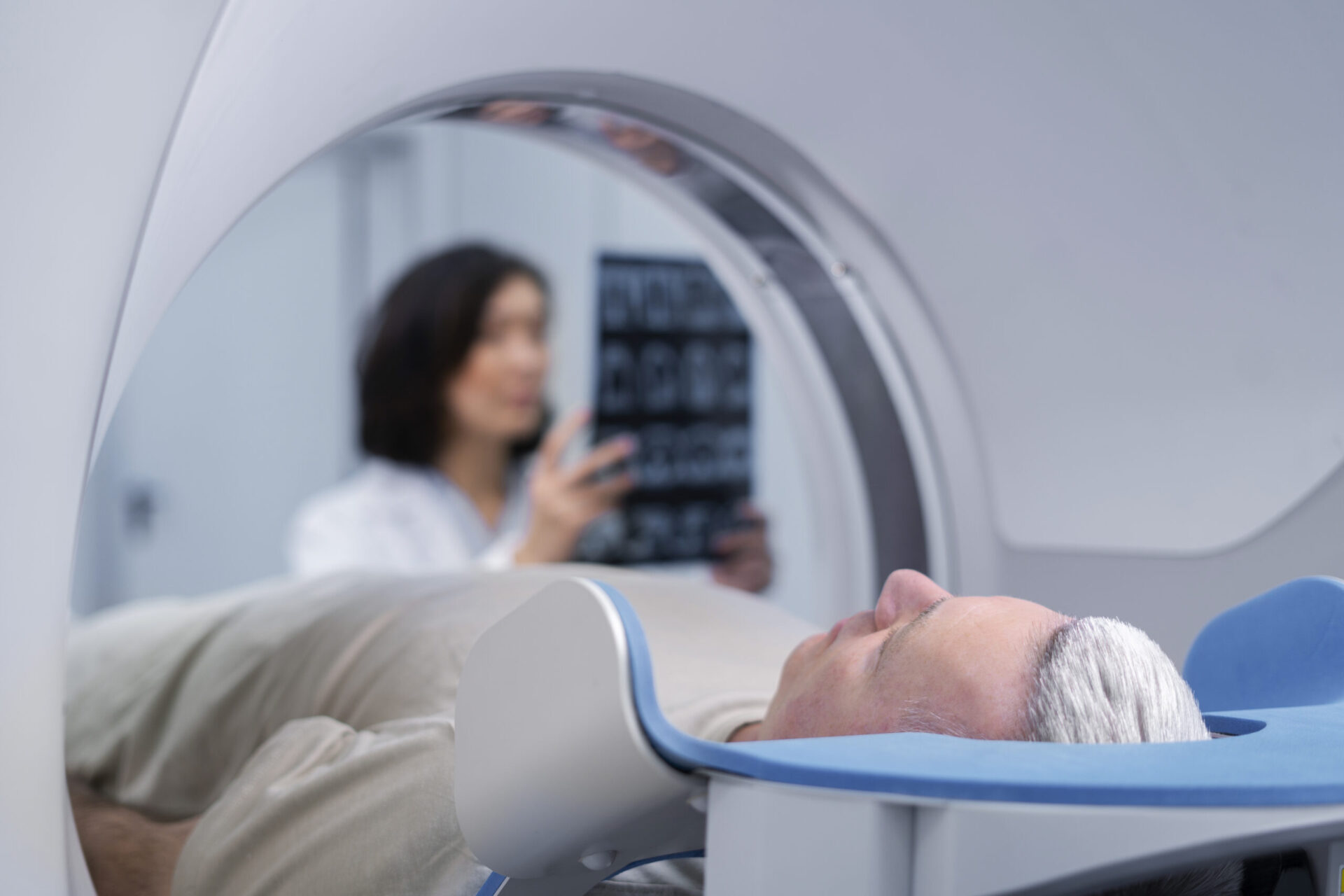
The Benefits of the Brain Health Assessment Program
The Brain Health Assessment Program’s technology offers patients the following benefits.
Understanding Your Dementia Risk
Based on the analysis results, you can gain a concrete understanding of the state of your brain’s health. For example, by quantifying the degree of brain atrophy and the volume of white matter lesions, patients can clearly understand their own risk. Based on this information, patients can more easily identify areas for improvement in their daily lives.
Improving Your Lifestyle
Knowing your dementia risk creates motivation to work on improving your daily habits. For example, exercising more or eating a more balanced diet can help with prevention. Improvement plans based on concrete data are easier to stick with, supporting long-term health.
Early Intervention Before Symptoms Appear
Even before any symptoms appear, the analysis results allow you to take early action. For example, if brain atrophy is found to be progressing, you can consult a physician promptly and take appropriate measures. This can help delay the onset of dementia and maintain quality of life. Early intervention is extremely important for preventing the progression of dementia, a condition that is otherwise difficult to treat.

THE PREVENTION CLINIC TOKYO, a members-only VIP comprehensive health checkup clinic affiliated with BiOSTYLE Clinic Ginza, introduced the Brain Health Assessment Program early on and has used it to analyze dementia risk for many patients.

A Luxurious Setting
THE PREVENTION CLINIC TOKYO is located on the 4th floor of The Peninsula Tokyo, a celebrated five-star hotel in Hibiya, Tokyo, allowing you to undergo your comprehensive checkup in a luxurious atmosphere. Because all examination rooms are located on the same floor, there is no long wait and no need to move between floors. This allows the examination to proceed smoothly and comfortably.
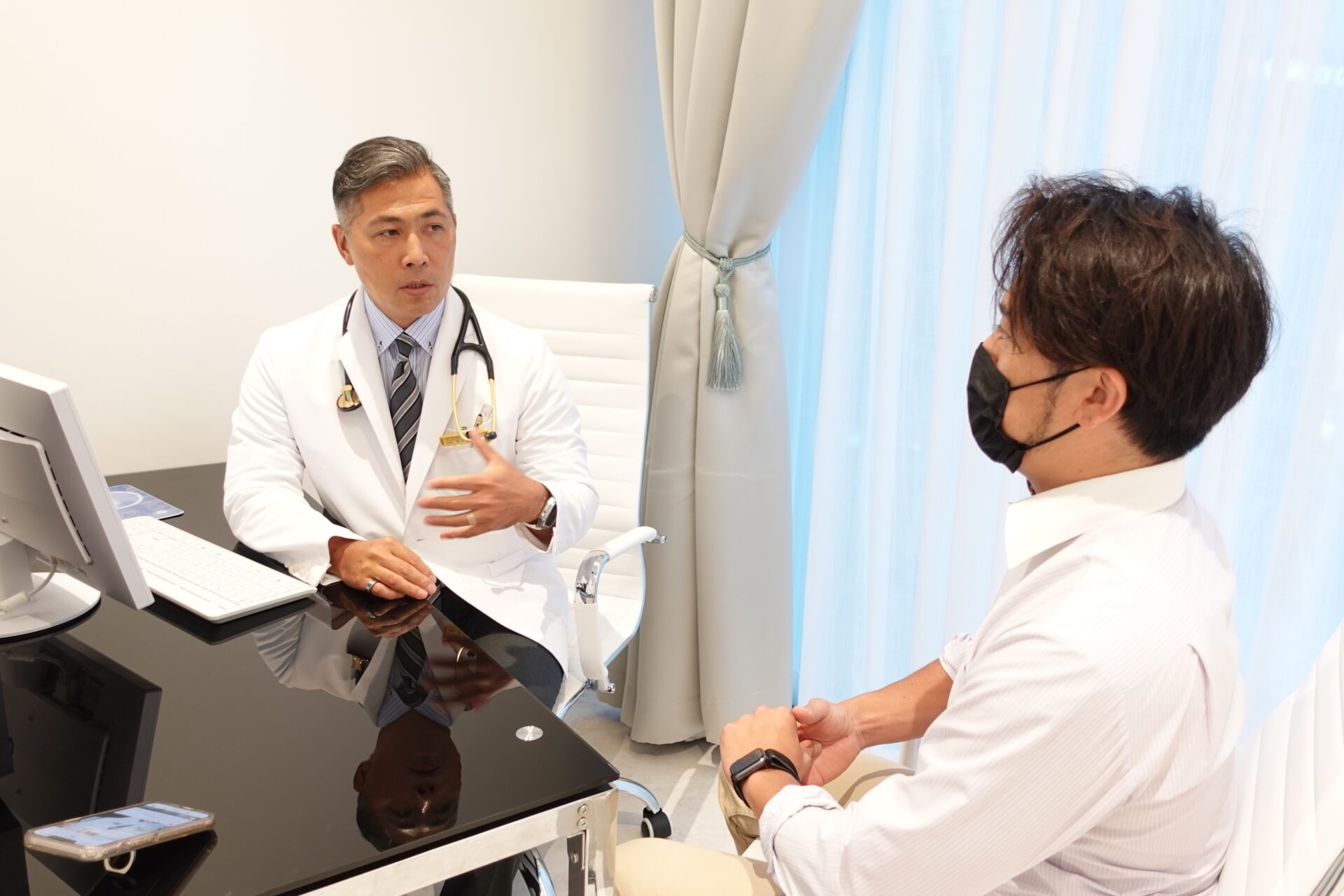
A Comfortable, Precise Environment With Limited Patients per Day
THE PREVENTION CLINIC TOKYO limits the number of patients accepted per day to just 6. This small-group approach not only allows attentive service for each patient, but also lets the physician carefully examine each individual’s data. At larger hospitals, a single physician may need to analyze data for hundreds of patients at once, but at THE PREVENTION CLINIC TOKYO, a small caseload allows for careful, accurate diagnosis.
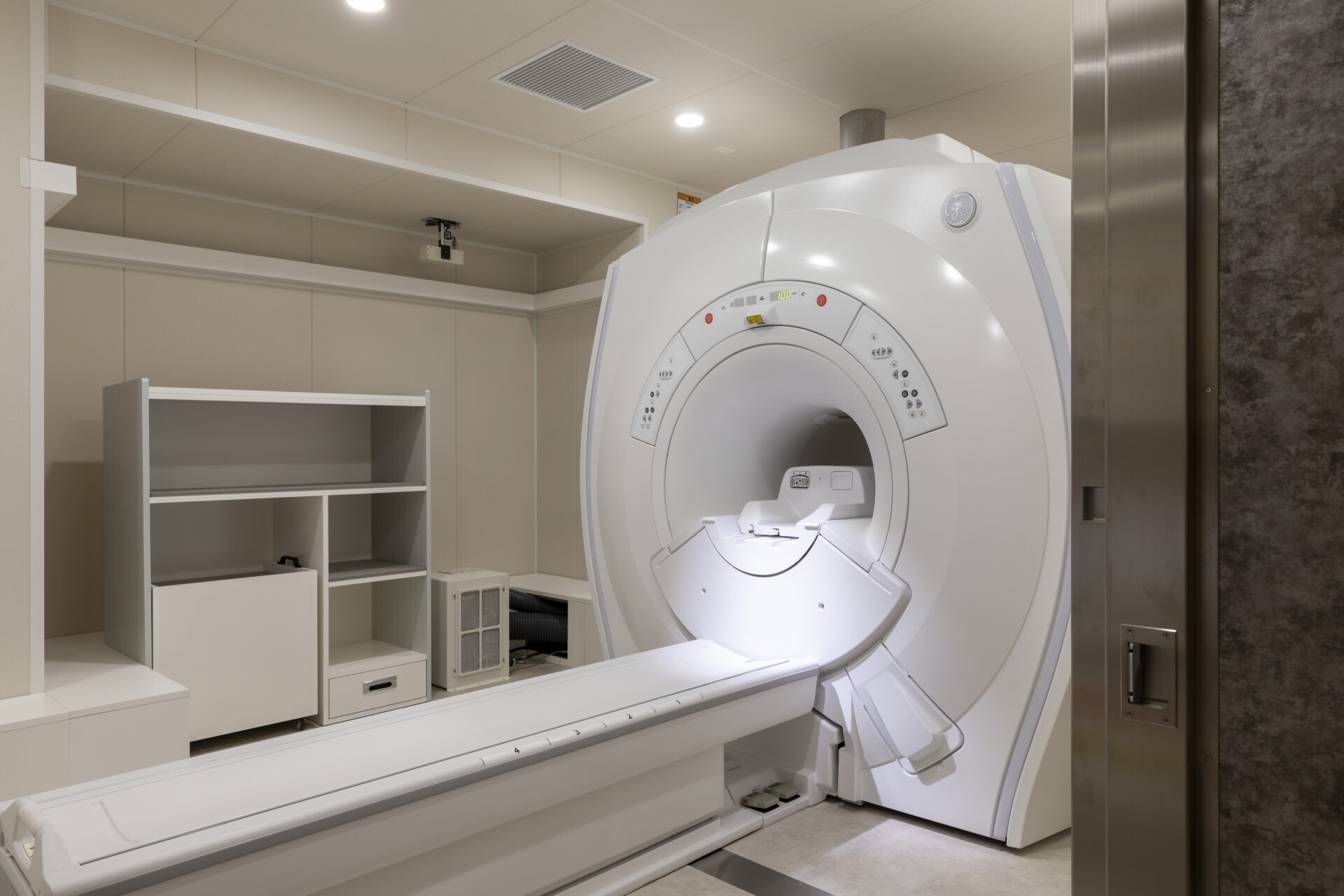
Advanced Medical Technology and the Latest Equipment
The Brain Health Assessment Program is a cutting-edge MRI image analysis system capable of highly precise dementia risk analysis. THE PREVENTION CLINIC TOKYO, which offers this system, performs examinations using state-of-the-art MRI equipment made by GE. This makes early analysis of dementia risk possible and broadens the range of prevention and treatment options available.

Comprehensive Health Management
THE PREVENTION CLINIC TOKYO offers not only comprehensive health checkups, but also health consultations and second opinions. Referrals to affiliated university hospitals are also available as needed. This allows you to receive consistent medical care based on your examination results.
Coordination With Affiliated Clinics
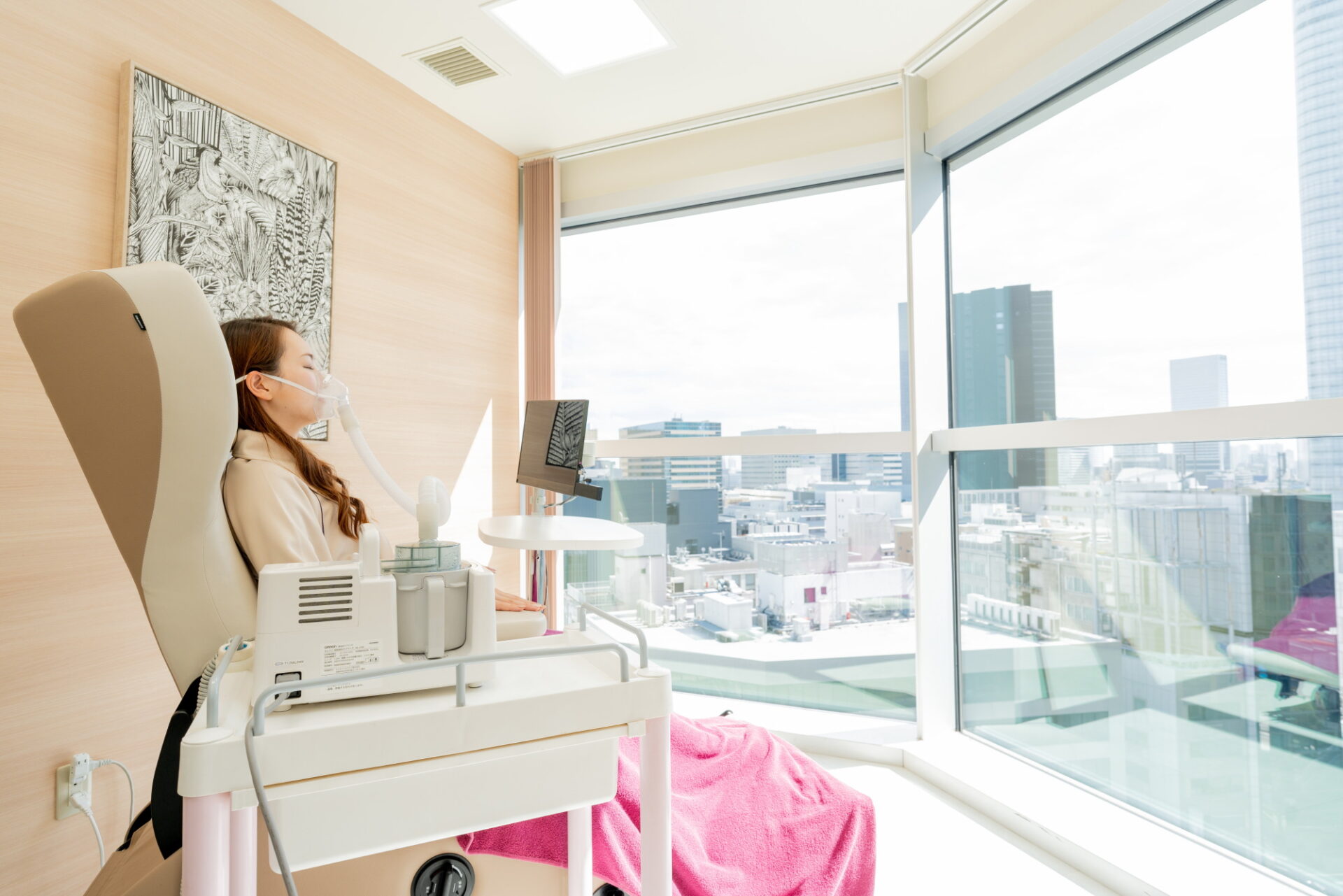
At the affiliated BiOStyle Clinic Ginza, and at 9ru, a members-only clinic on the same floor of The Peninsula Tokyo, based on the results from THE PREVENTION CLINIC TOKYO you can receive not only preventive and early treatments for dementia, such as NMN inhalation therapy, blood purification therapy, and bone-marrow-derived stem cell culture supernatant IV drips, but also rejuvenation-focused maintenance care. Health consultations, second opinions, and referrals to affiliated university hospitals are also available (by appointment only). This lets you receive health maintenance and aesthetic care together in one place, supporting an overall improvement in lifestyle.
[NMN Inhalation Therapy]
NMN inhalation therapy is a treatment that introduces nicotinamide mononucleotide (NMN) into the body. NMN is a precursor of the coenzyme NAD+, which is produced in the body and plays an important role in cellular energy metabolism and repair. As NAD+ levels decline with age, cellular function declines, increasing the risk of cognitive decline and neurodegenerative disease. NMN inhalation therapy is expected to help restore NAD+ levels and promote the repair and regeneration of neurons in the brain, supporting improved cognitive function and the prevention of dementia. Inhalation therapy in particular is expected to act quickly, efficiently carrying NMN into the bloodstream and delivering it to the brain. NMN also has antioxidant properties, helping suppress inflammation and prevent cellular aging, contributing to overall brain health.
[Blood Purification Therapy]
Blood purification therapy is a treatment that removes harmful substances and unnecessary metabolic byproducts from the body, and is said to be effective in the prevention and treatment of dementia. In this therapy, blood is drawn out of the body, passed through specific filters or adsorbents to remove harmful substances, and the purified blood is then returned to the body. One factor associated with dementia is that waste products and inflammatory substances in the blood can negatively affect neurons. Blood purification therapy reduces these harmful substances, helping suppress inflammation in the brain and protect neurons. Improved blood circulation is also thought to increase oxygen and nutrient supply to the brain, helping maintain and improve cognitive function. In this way, blood purification therapy is expected to support neurological health and help prevent or slow the progression of dementia.
[Bone-Marrow-Derived Stem Cell Culture Supernatant IV Drip]
Bone-marrow-derived stem cell culture supernatant IV drip is a promising treatment for the prevention and early treatment of dementia. In this treatment, stem cells extracted from bone marrow are used to derive a supernatant, which is then infused into the body. Bone-marrow-derived stem cells have the ability to promote cellular regeneration and repair, and are particularly effective in repairing neurons in the brain. The supernatant is rich in growth factors and anti-inflammatory substances, which help stimulate the generation of new neurons and support the repair of existing ones. In addition, the anti-inflammatory substances help suppress inflammation in the brain and prevent damage to neurons. Clinical studies have confirmed that this IV drip treatment can contribute to improved memory and cognitive function in patients with mild cognitive impairment (MCI) and early-stage dementia. This treatment is also considered to be highly safe, with few side effects. Further research is currently underway, and it is expected to become more widely used in clinical settings going forward. Combining it with other treatments can lead to more effective measures against dementia.

By-Appointment-Only for Privacy
THE PREVENTION CLINIC TOKYO operates on a strictly by-appointment basis, protecting each patient’s privacy at every step. Because the examination is conducted in a relaxed setting, it also reduces mental stress.
A Highly Specialized Staff
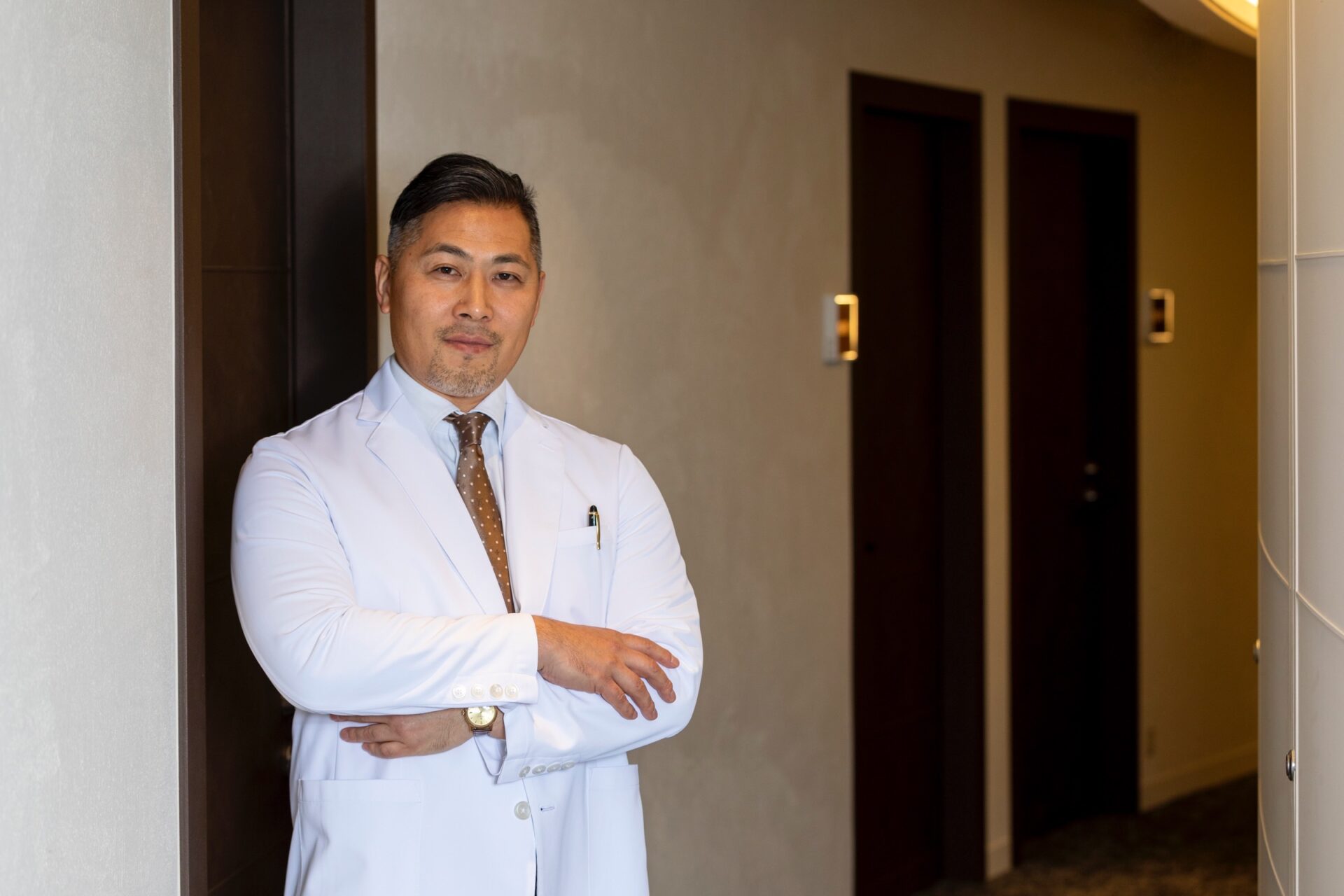
THE PREVENTION CLINIC TOKYO is staffed by physicians, technologists, and other professionals with deep expertise. Staff well versed in the latest medical technology provide consistent support from examination through diagnosis and treatment. This allows you to undergo the examination with peace of mind.
THE PREVENTION CLINIC TOKYO
4F, The Peninsula Tokyo, 1-8-1 Yurakucho, Chiyoda-ku, Tokyo
TEL: 0120-090-263
https://preventionclinic.tokyo/

Summary
As Japan’s population continues to age, the number of people with dementia is rising, making early detection and prevention increasingly important. Because treating dementia is so difficult, prevention is critical, and cutting-edge technology such as the Brain Health Assessment Program is key to making it possible. This advanced AI technology adds value to a brain health checkup, offering patients a concrete risk assessment and preventive measures. This allows patients to understand the state of their brain’s health and take early action, increasing the likelihood of preventing the onset of dementia.
The Brain Health Assessment Program’s technology goes beyond simply providing examination results — it motivates patients to adopt concrete improvements in their daily lives. This helps patients maintain a healthy lifestyle and reduce their future risk of dementia. It is also a valuable source of information for medical institutions, helping them provide more accurate advice and treatment plans tailored to each patient.
Overall, the Brain Health Assessment Program opens up new possibilities in dementia prevention, and can be considered an essential tool for improving the health of society as a whole. As our society continues to age, the spread of innovative technologies like this one is expected to make a major contribution to the prevention and treatment of dementia.