

PREVENTIVE
MEDICINE
NK cell cryopreservation banking
ABOUT
About NK Cell Cryopreservation Banking
Immunity as an asset,
held for the future.
NK (natural killer) cells are one of the important immune cells present in our bodies.
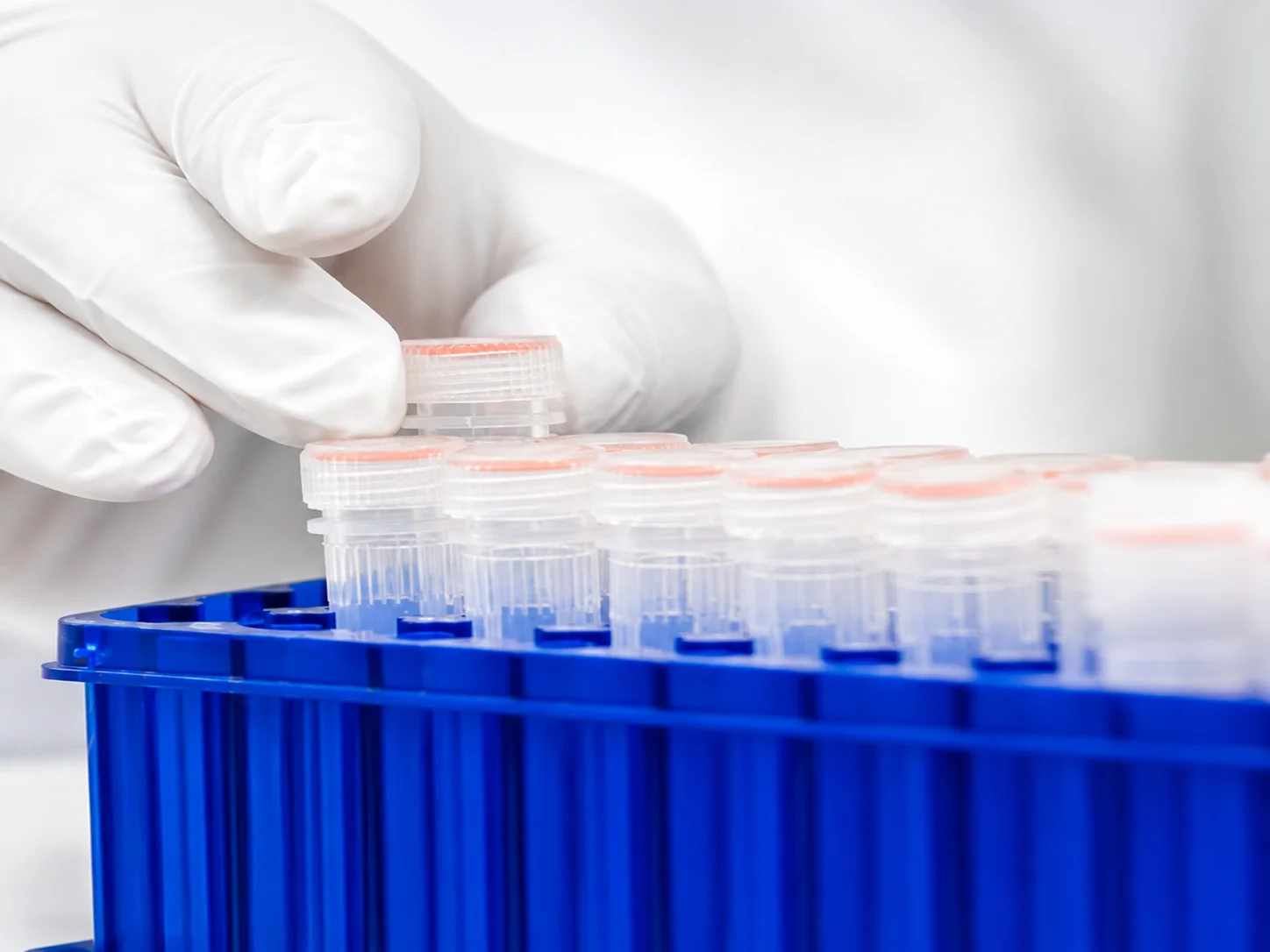
NK cell cryopreservation banking is a service in which your own NK cells are collected and cultured, then frozen and stored long term in dedicated facilities.
With an eye to how the immune environment changes with age, storing cells from a relatively young and healthy period prepares you for the possibility of using them in future cell therapy and advanced medicine.
Storing your own cells as a "health asset for the future" is drawing attention as an option in a new era of preventive and regenerative medicine.
NK CELLS
About NK Cells
NK cells are part of the immunity we are born with, known as innate immunity.
They circulate constantly through the body in the bloodstream, and when they find something foreign they attack and eliminate it at once.
Even in a healthy person, some 5,000 to 6,000 cells are said to become cancerous each day, and NK cells attack many of them.
NK cell numbers peak at around age 20 and decline thereafter. Cancer rises sharply from around age 40, and this is thought to be closely related to the decline in NK cell activity.
That is why there is value in storing your own NK cells while they are young and highly active.
FLOW
The Banking Process
01 ── Blood draw
Blood is drawn for infectious disease testing and for culture.
02 ── Culture
NK cells are extracted from the blood and cultured to the required number. The entire process takes place inside a Specified Cell-Processing Facility.
03 ── Cryopreservation
The cultured NK cells are frozen and stored long term in dedicated facilities.
FAQ
Frequently Asked Questions
 Patient
How long can stored NK cells be kept?
 Physician
Cultured NK cells are frozen and stored long term in dedicated facilities.
Because the cells are kept frozen with their quality preserved, they can be held for a long period in readiness for future use.
We explain the storage period and how renewal works individually during your consultation.
PatientHow are the cells collected? Is it hard on the body?
PhysicianCollection is done in the same way as an ordinary blood draw.
Because NK cells are extracted from the blood and then cultured, no major procedure such as surgery is required.
The burden on the body is considered relatively small, though this is felt differently by different people.
PatientHow might stored NK cells be used in the future?
PhysicianYour stored NK cells are held in readiness for the possibility of use in future cell therapy and advanced medicine.
Holding cells from a young, healthy period when they are highly active can be expected to serve as preparation for an immune environment that changes with age.
Exactly how they may be used will change as medicine advances, so please talk to us for the most current picture.
PatientAt roughly what age is it best to store them?
PhysicianNK cell numbers are said to peak at around age 20 and decline thereafter.
For that reason, there is value in storing them while they are as young and active as possible.
Whether it is suitable at your age can be confirmed individually during consultation.
PatientHow is the safety of culture and storage managed?
PhysicianInfectious disease testing is carried out at the blood draw stage as a safety measure.
All NK cell culture takes place inside a Specified Cell-Processing Facility.
After culture, the cells are frozen in dedicated facilities and held under quality management.
PatientHow should I think about the cost?
PhysicianIt is easiest to think of the cost in two parts: the cost of collection and culture, and the cost of cryopreservation thereafter.
Because storage runs over a long period, we recommend considering how storage renewal works as well.
We explain detailed pricing individually during your consultation.