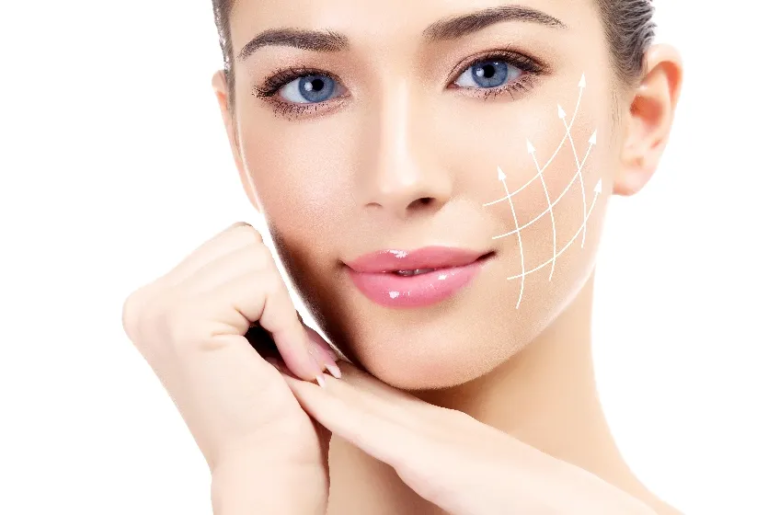


When undergoing a cosmetic treatment, one thing worth knowing about besides its effects is the “downtime” involved. Because downtime occurs with most procedures, it’s important to know what symptoms to expect and how to care for your skin during that time.
Of the many cosmetic treatments available, this article focuses on “Dermapen,” which is expected to be effective against a range of skin concerns including enlarged pores, spots, wrinkles, and acne. We’ll walk through how many days of downtime Dermapen typically involves, along with how symptoms progress over that time.
How Many Days Does Dermapen Downtime Last?

Dermapen downtime is generally said to resolve within as little as 3 days, or up to about a week at most. If symptoms of downtime haven’t subsided after a week, please consult the clinic where you had the procedure as soon as possible.
Although we refer to it collectively as “downtime,” the symptoms that appear change as time passes after the procedure. Knowing roughly what to expect can help you stay calm and handle it well once downtime actually begins.
The first symptom to appear is redness, which shows up anywhere from immediately after the procedure to a few hours later. Because Dermapen creates microscopic openings in the skin, it leaves the skin with tiny wounds. This makes inflammation more likely and also promotes blood flow, resulting in redness and a warm sensation. Some bleeding may occur during the procedure as well, but in most cases this is not a problem.
Redness and warmth gradually improve from the day of treatment into the next day, but various other symptoms begin to appear as well. Let’s look in detail at what other symptoms may occur besides redness and warmth in the next section.
Symptoms That May Occur During Dermapen Downtime
During the roughly one-week Dermapen downtime period, a range of symptoms may occur. The type and severity of symptoms vary from person to person, so it’s a good idea to understand them in advance.
Redness
As mentioned above, the first symptom to appear is “redness.” The whole treated area may turn red, which can be surprising to some people at first. Because you won’t be able to wear makeup right after the procedure, it’s a good idea to cover the area with a mask on your way home.
How easily redness occurs depends not only on your skin type and lifestyle, but also on how deep the needles were set. Dermapen is often used at a shallower depth for surface-level spots and pores, and deeper for stubborn acne scars and wrinkles. Generally speaking, the deeper the needles go, the more likely redness is to occur.
Exactly how much downtime you’ll experience won’t be known until you actually undergo Dermapen treatment. However, since the needle depth gives some indication of what to expect, if you’re concerned, it’s a good idea to discuss it with your physician beforehand.
Swelling
Another symptom commonly seen alongside redness is “swelling.” Sometimes only a specific area becomes warm and swollen, and other times the entire face may feel slightly larger than usual. This, too, mostly resolves along with the redness, but if swelling remains on its own or worsens as the days pass, please consult your physician.
Rash
During Dermapen downtime, small reddish bumps may sometimes appear. These can look like acne or skin irritation, and if you already struggle with sensitive or irritated skin, you might worry that it has gotten worse.
Even when a rash does appear, in most cases it resolves within about a week and leaves no marks. It’s a good idea to avoid touching the area unnecessarily and to use gentle, low-irritation skincare while you wait it out.
Itching
Because Dermapen creates small wounds in the skin, histamine is released as those wounds heal, which can cause itching in the treated area. Scratching or touching the area tends to worsen symptoms, so it’s best to avoid it. Cooling the area — for example, with an ice pack wrapped in gauze or a towel — can help reduce itching and is a good approach to try.
Bruising
As the Dermapen needles reach into the skin, they can occasionally nick a small capillary, causing bruising. The area may turn blue or purple, which can be alarming, but it does not indicate any problem with the treatment or your skin, so there’s no need for excessive concern.
Because bruising tends to stand out, many people find themselves touching the area without realizing it. To heal a bruise quickly, it’s important not to touch it — friction and irritation can make the symptom last longer.
Peeling
Dermapen serves several purposes, one of which is “promoting turnover.” By generating new cells one after another, it encourages the shedding of old cells, helping you work toward healthier skin.
As new cells form within the skin, older cells are pushed toward the surface and gradually shed. When Dermapen speeds up this cycle, old skin may flake off in small bits.
Peeling is actually a sign that turnover has been promoted and that your skin is moving toward a healthier state. Avoid touching the area until it naturally comes off on its own, and never forcibly peel it away.
About Acne That Can Appear During Dermapen Downtime
Many people undergo Dermapen treatment to clear up existing acne or prevent future breakouts.
However, after Dermapen treatment, it can occasionally feel like acne has actually increased. If a number of small whiteheads appear, you might worry that something went wrong with the treatment.
In fact, these whiteheads are a harmless reaction known as a “healing crisis” or purging reaction. They are not caused by your skincare routine or diet, so there’s no need to worry. As with other downtime symptoms, it’s important to avoid touching the skin as much as possible and to take gentle care of it.
A purging reaction refers to the various temporary skin changes that occur as the skin moves toward recovery. Because turnover has been accelerated, acne that had been dormant beneath the surface can emerge all at once, making it look as though breakouts have suddenly increased. In a sense, having these whiteheads appear now can be seen as preventing future breakouts.
How to Spend the Dermapen Downtime Period
There are many things to keep in mind during Dermapen downtime. Please take good care of your skin while keeping the following points in mind.
Avoid Washing Your Face or Wearing Makeup Right After Treatment
Immediately after treatment, your skin has countless tiny, invisible wounds. Washing your face or applying makeup at this point can allow bacteria to enter the wounds, potentially causing stronger inflammation. When washing your face that evening, use lukewarm water and avoid cleansers or facial soap.
Avoid Activities That Promote Blood Flow on the Day of Treatment
On the day of treatment, you should avoid activities that promote blood flow. Specifically, the following activities apply, so be sure to keep them in mind beforehand.
- Soaking in a bathtub
- Taking a very hot shower
- Using a sauna
- Strenuous exercise or yoga that makes you sweat
- Lymphatic massage
- Drinking alcohol
Engaging in these activities increases the likelihood that downtime symptoms such as redness and swelling will become more pronounced or last longer. It’s important to avoid these activities, at least while symptoms are present, and to take it easy.
Take Thorough Sun Protection Measures
With Dermapen, which creates countless tiny wounds in the skin, your skin becomes highly vulnerable and more susceptible to damage from various forms of irritation. Take more thorough sun protection measures than usual to prevent inflammation of the skin.
When exposed to UV rays, the skin produces melanin to protect its cells. Because melanin is the source of spots, the more UV exposure you get, the more likely spots are to form. If UV rays reach deeper layers of the skin, other skin issues such as wrinkles and sagging can also become more likely.
In addition to applying sunscreen, it’s important to reapply it regularly and layer additional protection such as a parasol or UV-blocking clothing. UV rays reach the skin not only in summer but also on rainy days and in winter, so consistent protection is necessary year-round.
Are There Ways to Shorten Dermapen Downtime?

To minimize the symptoms of Dermapen downtime as much as possible, it’s a good idea to review your daily skincare routine.
First, switch to skincare products focused on moisturizing, and take care to avoid rubbing the skin. When patting your face dry with a towel, gently press rather than rub. When washing your face starting the day after treatment, use a net to create fine, gentle foam that reduces stress on the skin. It’s also a good idea to choose skincare products suitable for sensitive skin, atopic skin, or even babies.
It’s also a good idea to pause any special treatments you normally use, such as scrubs, masks, or serums, until downtime is over. Dedicated whitening skincare or products containing vitamin C can sometimes irritate the skin more strongly. Skincare products containing alcohol or ethanol should also be avoided for about a week after treatment.
Related article: What Is 4D Semi-Permanent Makeup? Meet Custom-Made, Naturally Beautiful Eyebrows
The Features of Dermapen Treatment at BiOSTYLE Clinic
Located in Ginza, Tokyo, BiOSTYLE Clinic is trusted by many patients. Our clinic offers Dermapen treatment extensively, and it has been well received by patients with a wide range of concerns.
Our Dermapen treatment lets you choose a solution suited to your specific concern, offering the benefit of improving skin trouble more effectively than a simple Dermapen procedure alone. Before treatment, we conduct a thorough consultation with each patient and propose a plan suited to their concerns and budget.
- Simple Dermapen 4: Skin regeneration / promotes collagen and elastin production
- Dermapen 4 × Massage Peel: Increases skin firmness and hydration by promoting collagen production
- Dermapen 4 × Retinal Active: Helps recover from skin damage caused by aging and UV exposure
- Dermapen 4 × Benev: Whitening effect for spots, dullness, and acne scars
- Dermapen 4 × Stem Cell Culture Supernatant: Promotes turnover / promotes collagen and hyaluronic acid production
All of these are performed using the latest device, “Dermapen 4,” which allows the needle depth to be adjusted in 0.1mm increments, enabling a different approach for each concern. Compared with earlier devices, its versatility has increased, and you’re likely to be even more satisfied with your results.
You can reach out to us for inquiries or appointments by phone, as well as through our website or LINE. Consultations are completely free, so please feel free to visit us.
Summary
Anyone who undergoes Dermapen treatment will experience some degree of downtime symptoms. Use gentle skincare, protect your skin from damage caused by UV exposure and friction, and keep downtime to a minimum.
How you spend your time during Dermapen downtime is just as important after other cosmetic treatments, or any time your skin is going through trouble. To help prevent future skin issues, we recommend learning the correct facts about downtime.