

Doping Has Existed Since the Ancient Olympics
1988, the Seoul Olympics.
The world was stunned by the men’s 100-meter final.
Canadian sprinter Ben Johnson won with a world-record time of 9.79 seconds. But just a few days later, it was revealed that he had used the banned substance stanozolol, and his gold medal and record were stripped from him.
This incident is remembered as the most famous doping scandal in the history of sports.
But the history of doping is by no means new.
Records remain showing that competitors at the ancient Greek Olympics drank special herbs and wine to enhance their performance.
By the 19th century, stimulants such as caffeine, alcohol, and strychnine had come into use among athletes.
Then, in the 20th century, scientific progress transformed doping dramatically.
Anabolic steroids, developed after World War II, could dramatically increase muscle mass and speed up recovery.
From the 1960s through the 1980s, it later came to light that doping was even carried out at a state-sponsored level in some countries.
In other words, doping isn’t simply a form of cheating — it’s also a domain where the history of science and technology intersects with the history of sport.
What Is “Gene Doping,” the Next Generation of Doping?
What the sporting world is most wary of today is gene doping.
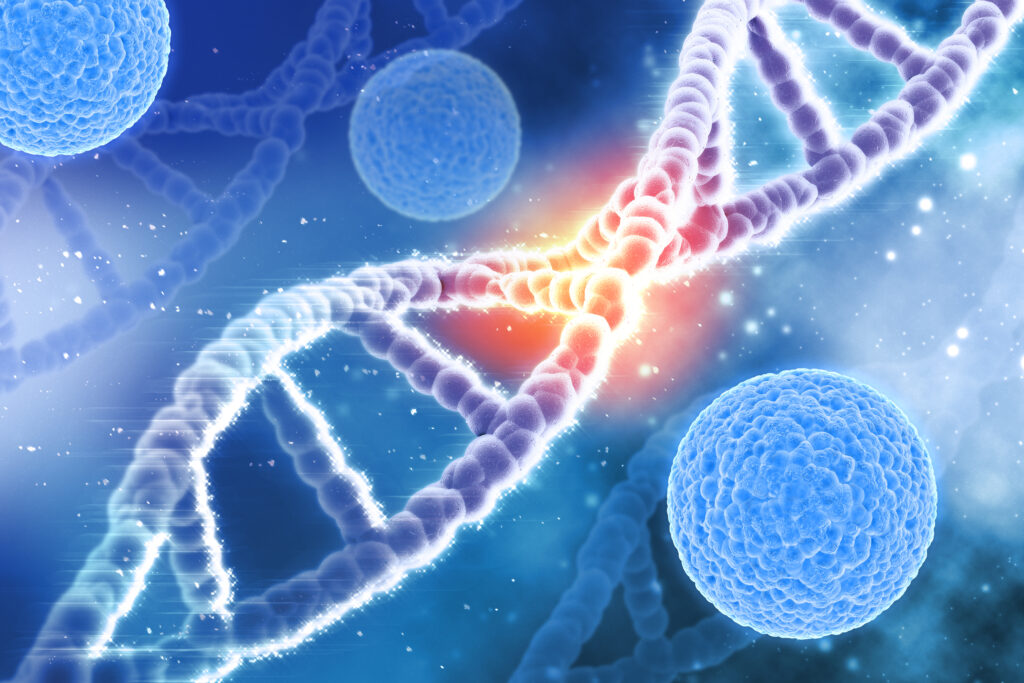
Gene doping refers to technology that introduces genes into the body to enhance muscle growth or endurance.
For example, the following genes are being studied.
· The EPO gene
Increases red blood cell production, enhancing oxygen-carrying capacity
· The IGF-1 gene
Promotes muscle growth
· Myostatin suppression
Blocks the gene that limits muscle growth
These technologies originally emerged from gene therapy research aimed at treating intractable diseases such as muscular dystrophy.
In theory, however, they could also be used to dramatically enhance an athlete’s physical abilities.
An even bigger problem is that gene doping may be almost impossible to detect using conventional doping tests.
Methods that detect drugs in blood or urine have an extremely difficult time identifying changes that have occurred at the genetic level within the body.
In other words, in the future, an enhanced ability might simply look like a “naturally strong body.”
The Deep Connection Between Mitochondria and Athletic Performance
In recent years, mitochondria have drawn attention in both sports science and aging research.
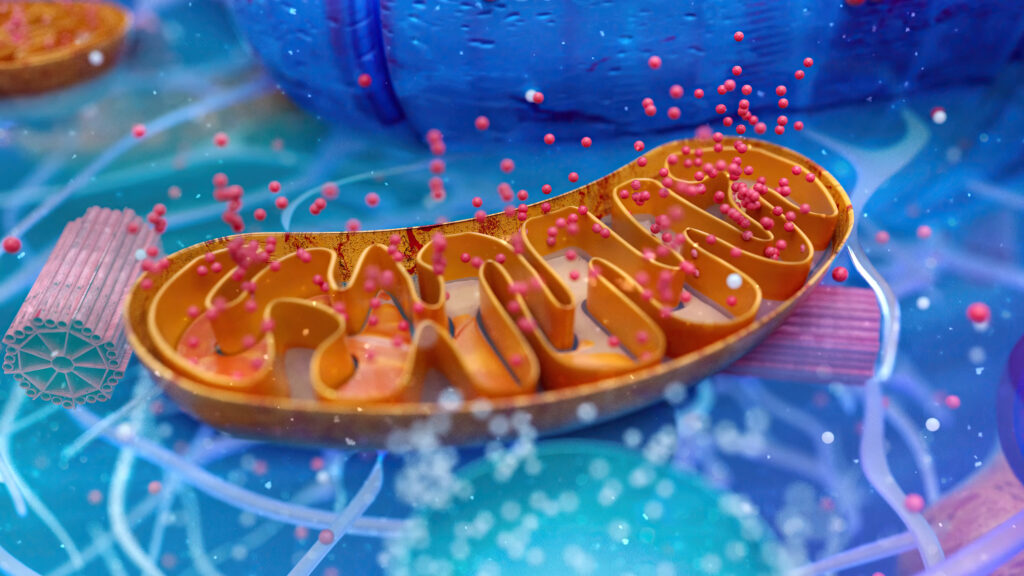
Mitochondria are tiny organelles found within cells that generate an energy molecule called ATP.
They are, in a sense, the cell’s power plant.
Studies of endurance athletes’ muscles have found that they have a far higher density of mitochondria than the average person.
Marathon runners and Tour de France cyclists have enormous numbers of mitochondria in their muscle cells.
The more mitochondria a person has,
· the greater their energy-production capacity
· the more their endurance improves
· the more resistant they are to fatigue
are among the resulting characteristics.
In other words, mitochondrial function is a critical factor that directly shapes athletic performance itself.
Mitochondria Are Also an “Aging Switch”
Here’s an important fact.
Mitochondria aren’t just linked to athletic performance — they’re also deeply connected to aging.
As we age, mitochondrial DNA becomes damaged, and the efficiency of energy production declines.
As a result, the following changes occur.
· Decreased muscle strength
· Chronic fatigue
· Slower metabolism
· Weakened immunity
In other words, aging can, in a sense, be described as a decline in the body’s capacity to generate energy.
Researchers around the world are currently studying various ways to improve mitochondrial function.
Representative approaches include
· NAD+ boosters
· Mitochondria-activating peptides
· Stem cell therapy
· Mitochondrial transplantation
among others.
This research holds potential not only for improving athletic performance, but also for slowing the aging process.

How Far Can Humanity Resist Aging?
In the world of sports, this is called “doping.”
In the world of medicine, it’s called “treatment” or “anti-aging.”
But at their core, both extend from the very same science.
Since ancient times, humanity has used its ingenuity to push past the limits of nature.
We harnessed fire, made tools, invented medicine, and now we’ve entered an age where we edit genes.
Enhancing physical ability.
Slowing aging.
Both are themes humanity has long pursued.
And now, advances in the life sciences are bringing a single question closer to reality.
How young can a human being actually become again?
No one yet knows the answer.
But one thing is certain.
Humanity will keep going forward,
continuing to push the limits using the wisdom we call science.
Source: WEB Magazine AGELESS
https://ageless-medical.com/regenerative-medicine/1626/