

“Do exosomes really work?”
“I heard some people say they didn’t notice any effect…”
“I’d hate to pay for expensive treatment and have it not work”
“I heard there was a case where someone died from exosome treatment…”
If you’re interested in exosome treatment, do any of these concerns sound familiar? Exosomes are expected to offer many welcome effects, from improved skin to rejuvenation. However, some people who have undergone exosome treatment report that “exosomes didn’t work.” In this article, we’ll explain in detail why exosomes are so often misunderstood, and share accurate information about them.
What Is an Exosome?
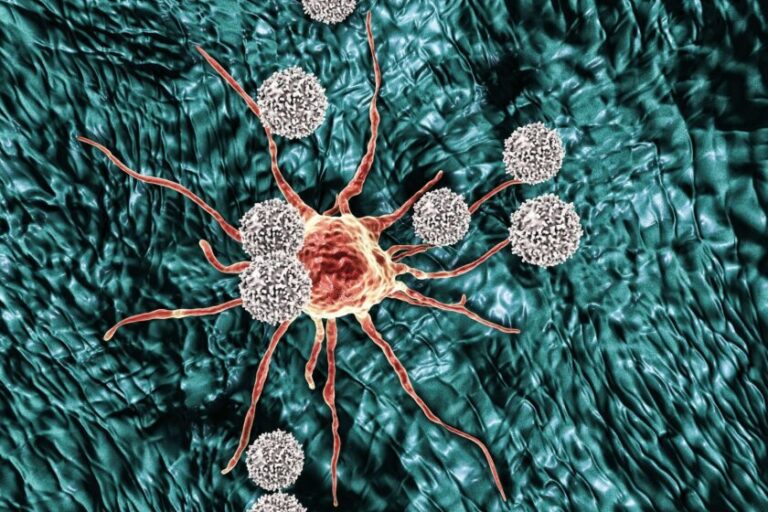
An exosome is a small membrane-bound vesicle, 30 to 150 nanometers in diameter, secreted by cells, and it plays an important role in cell-to-cell communication. These vesicles carry molecules such as proteins, lipids, and RNA, influencing surrounding cells and helping regulate cell growth, differentiation, and repair. Research into exosomes continues to advance, and they are expected to find applications across various medical fields, including cancer, immune disease, and regenerative medicine.
However, the belief that exosomes themselves have a groundbreaking effect on beauty and rejuvenation is a misconception. Because an exosome is fundamentally an information-carrying tool, its effect depends heavily on the type and quantity of the molecules it contains, as well as the condition of the sending and receiving cells. Treatment using exosomes therefore does not produce the same effect in every case.

Misconceptions and Issues Surrounding Exosomes
In recent years, the use of exosomes in beauty and anti-aging treatment has been covered in the media and promoted by aesthetic clinics, spreading misconceptions about their effectiveness. Below, we explain the main issues in detail.
High Purity or High Concentration Does Not Guarantee Effectiveness
Some clinics advertise highly purified or highly concentrated exosomes, but a higher purity or concentration of exosomes does not necessarily translate directly into a greater treatment effect. The effectiveness of an exosome depends on the type and quantity of microRNA and proteins it contains. For example, if a specific microRNA needed for a particular treatment is absent, no matter how concentrated the exosomes are, the intended treatment effect cannot be expected. It’s therefore important not to judge exosomes by purity or concentration alone, but to evaluate their actual contents and whether they’re suited to the intended treatment.
The Importance of Quality Control for Donor Cells
An exosome reflects the condition of the donor cell that produced it. If the donor cell is healthy and normal, its exosomes can be expected to carry beneficial information; conversely, if the donor cell has some abnormality, there is a risk that this abnormal information will be transmitted through the exosome. For example, exosomes secreted by cancer cells may potentially promote the cancerous transformation of normal cells. Strict quality control of donor cells is therefore essential. Concentrating or purifying exosomes without first verifying the donor cells can carry certain risks.
Overselling Expected Effects
An increasing number of cases involve certain aesthetic clinics or manufacturers overselling the effects of exosome-based treatment and charging high fees for it. This can lead consumers to develop excessive expectations, creating a risk of disputes when the actual results fall short. In addition, some consumers lack the scientific knowledge needed to evaluate exosome treatment, making them more susceptible to exaggerated advertising claims. Providing accurate information and explanation is essential.
What Are Growth Factors?
Growth factors are a general term for proteins and peptides that promote cell growth, differentiation, and repair. These growth factors bind to receptors on the surface of specific cells and activate intracellular signaling pathways, regulating cell function. The following representative growth factors are drawing particular attention in beauty and regenerative medicine.
Representative Growth Factors
- EGF (Epidermal Growth Factor)
The growth factor EGF promotes the growth and differentiation of epithelial cells and plays an important role in skin regeneration and repair. In the beauty field, it is used to help improve wrinkles and scars. - FGF (Fibroblast Growth Factor)
The growth factor FGF promotes the production of collagen and elastin, helping improve skin elasticity. It also promotes wound healing, and is used not only in the beauty field but in medical treatment as well. - IGF (Insulin-like Growth Factor)
The growth factor IGF promotes cell growth and differentiation, supporting muscle and bone growth. In the beauty field, it is expected to offer anti-aging and rejuvenating effects.
How Growth Factors Work
Growth factors bind to receptors, activating intracellular signaling pathways that promote cell proliferation, differentiation, and repair. For example, when the growth factor EGF binds to its receptor, intracellular signaling pathways are activated, promoting cell proliferation and regeneration. In this way, growth factors regulate cellular function and support tissue repair and regeneration.
Stem Cell Culture Supernatant and Exosomes
Stem cell culture supernatant contains numerous growth factors, and their synergistic action enhances the treatment effect. This supernatant is the fluid secreted while culturing stem cells, and it is rich in components that promote cell growth and repair. While the supernatant also contains exosomes, what matters is not the exosomes alone, but the synergistic effect produced by the wide variety of growth factor components contained in the supernatant as a whole.
The Components of Stem Cell Culture Supernatant
Stem cell culture supernatant contains growth factors such as EGF, FGF, and IGF, as well as bioactive substances such as cytokines and chemokines. These components play important roles in cell growth, repair, and immune regulation, and are expected to offer many benefits in beauty and regenerative medicine.
The Role of Exosomes
As one of the components contained in stem cell culture supernatant, exosomes are responsible for cell-to-cell communication. Exosomes carry growth factors, RNA, and proteins, regulating the function of receiving cells and supporting tissue repair and regeneration. However, rather than relying on exosomes alone, what matters is the balance of growth factor components across the supernatant as a whole.
BiOSTYLE Clinic’s Approach
BiOSTYLE Clinic offers treatment using stem cell culture supernatant, focusing not on exosomes alone, but on the wide range of growth factors contained in the supernatant. We take the following approach to providing safe, effective treatment.
Strict Selection of Donor Cells
BiOSTYLE Clinic uses donor cells with a high safety profile, sourced from umbilical cord blood, placenta, amniotic membrane, and dental pulp from deciduous tooth roots. This helps ensure that the information carried by growth factors, including exosomes, does not carry any adverse effects. Specifically, by using baby-derived stem cells, we minimize the risks associated with donor cells.
Thorough Legal Interpretation and Safety Management
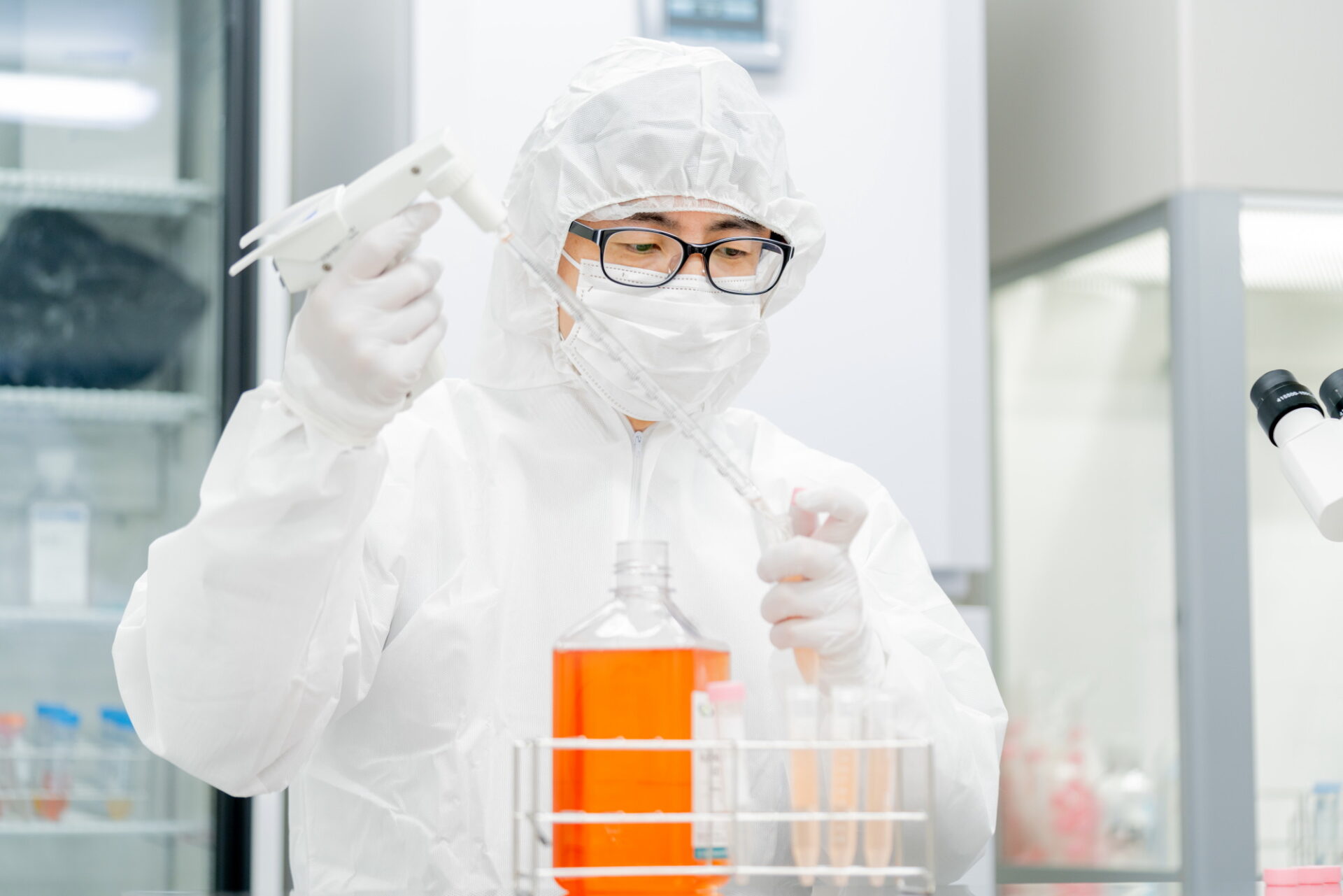
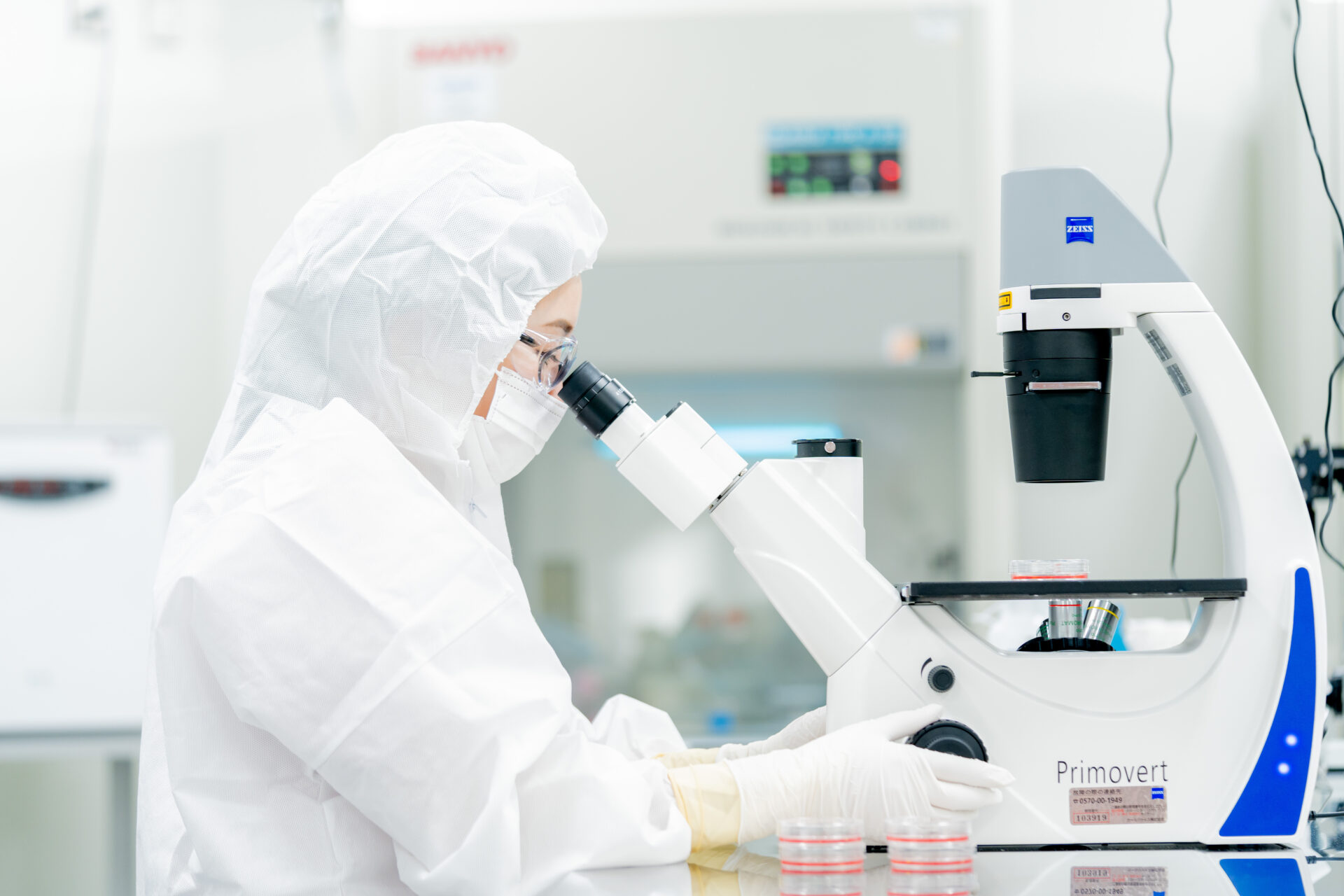
While stem cell culture supernatant and the growth factors it contains, including exosomes, are treated as research-use materials, BiOSTYLE Clinic has established strict voluntary standards, conducting an endotoxin test on every single lot and manufacturing at a specified cell-processing facility that meets ISO 5 or GMP standards. In addition, as a medical institution that meets the facility standards required for regenerative medicine, treatment is carried out by physicians and staff with sufficient knowledge of cell therapy and the ability to respond in an emergency.
The Effectiveness and Safety of Growth Factors
Numerous research papers have demonstrated the effectiveness and safety of the growth factors contained in stem cell culture supernatant. For example, the growth factor EGF promotes skin regeneration, while FGF helps produce collagen — each contributing to skin rejuvenation and repair through a different mechanism. Because these growth factors support the body’s own natural processes, they are considered relatively safe to use.
The Effects of EGF
The growth factor EGF promotes the growth and differentiation of epithelial cells and plays an important role in skin regeneration and repair. Numerous studies have shown it to help improve wrinkles and heal scars. EGF also strengthens the skin’s barrier function, increasing its resistance to external damage.
The Effects of FGF
The growth factor FGF promotes the production of collagen and elastin, helping improve skin elasticity. It also promotes wound healing, and is widely used not only in the beauty field but in medical treatment as well. For example, FGF is sometimes used in the treatment of burns and scars.

The Future of Exosomes and Growth Factors
Exosomes and growth factors are expected to continue playing an important role in the fields of beauty and regenerative medicine. However, it’s essential to understand accurate information and use them safely and effectively. Rather than being swayed by excessive advertising or misinformation, it’s important to receive appropriate treatment at a trustworthy medical institution.
Research Progress and Expected Applications
Research into exosomes and growth factors continues to advance, and in the future they may be able to address an even wider range of conditions and beauty needs. For example, it is hoped that treatments for cancer and immune disease using exosomes will be developed. Combination treatments incorporating growth factors are also being researched, which may further enhance treatment effectiveness.
Strengthening Safety and Regulation
Stronger safety measures and regulation are needed for the use of exosomes and growth factors. It’s important to establish safe, effective treatments through proper quality control and clinical trials. Providing consumers with proper information and education is also necessary. Medical institutions and manufacturers should provide information grounded in scientific evidence and take care not to create excessive expectations.
Summary: About Exosomes
Exosomes and growth factors are ingredients drawing attention in beauty and regenerative medicine, but it’s essential to accurately understand their effectiveness and safety. BiOSTYLE Clinic offers treatment using stem cell culture supernatant that contains not only exosomes but a wide range of growth factors, with the goal of providing patients with safe, effective treatment. We strive to help you undergo treatment with peace of mind, based on accurate information — please check the page below for more details about stem cell culture supernatant.