

The Value Standard in Cancer Care Is Quietly Beginning to Change
Cancer treatment has long developed around the idea of “hitting it as hard as possible” and “removing it as completely as possible.” In recent years, however, that very standard of value is being reconsidered. For patients who place particular importance on post-treatment quality of life (QOL), returning to society, and preserving physical function, treatment involving severe side effects or long hospital stays is not always the optimal answer. The idea of viewing cancer not as something to be eliminated, but as something to be controlled and coexisted with, is becoming a realistic option in clinical practice as well. Amid this shift, oncolytic virus therapy is drawing growing attention. In December 2025, Telomelysin (generic name: teserpaturev), a viral therapeutic based on research originating at Okayama University, was submitted to the Ministry of Health, Labour and Welfare for manufacturing and marketing approval as a treatment for esophageal cancer. This is a symbolic moment in which Japanese basic research has borne fruit as a new option in clinical medicine.
What Is Oncolytic Virus Therapy? — From Accident to Engineered Medicine
The idea of “treating cancer with a virus” dates back to the early 20th century, but at the time, controlling viral proliferation and ensuring safety proved too difficult, and the approach never became an established treatment. It was a Japanese research team that elevated this once-unfinished concept into a precise medical technology using modern molecular biology and genetic engineering. Telomelysin is based on an adenovirus and is engineered to proliferate only by relying on telomerase activity, which is highly expressed in cancer cells. In normal cells, the virus barely proliferates at all; it proliferates selectively only within cancer cells, breaking down the tumor cells from within. It is precisely this high selectivity that places oncolytic virus therapy in a fundamentally different category from conventional treatment.
A Clear Treatment Effect Demonstrated While Minimizing Burden on the Body
At the center of this approval application is a clinical trial targeting elderly patients with esophageal cancer for whom surgery or intensive chemoradiotherapy is difficult. Conventional esophageal cancer treatment is highly invasive and has significantly affected quality of life through issues such as swallowing difficulty and declining physical strength; with Telomelysin therapy, administering the treatment directly into the tumor site under endoscopic guidance makes it possible to concentrate the treatment effect on the tumor while minimizing its impact on the rest of the body. In the clinical trial, when combined with radiation therapy, a complete response was confirmed in roughly half of patients, and serious side effects were extremely limited. This can be seen as clinical data clearly demonstrating a new direction for medicine — one in which patients no longer have to sacrifice their quality of life for the sake of treatment.
Not Just Destroying Cancer — Treatment That Reawakens Immunity
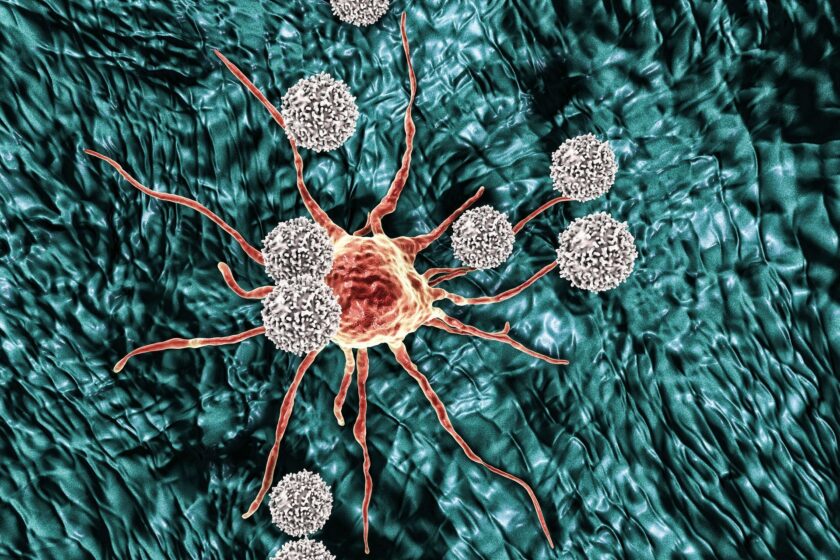
An important feature of oncolytic virus therapy is that it goes beyond simply destroying the tumor — it also reawakens the patient’s own immune system. As cancer cells are destroyed by the virus, tumor antigens are released, and this is understood to trigger the activation of immune cells, which then shift into a state of recognizing and attacking the cancer once again. Because of this mechanism, even though it is a local treatment, it may be capable of inducing a systemic immune response, and it is also expected to work well in combination with immune checkpoint inhibitors. Rather than a one-time strike, treatment is evolving into a process of rebuilding the body’s own natural defense mechanisms.
The Future of Cancer Care as Envisioned by BiOSTYLE Clinic Ginza
Going forward, oncolytic virus therapy is expected to expand to a broader range of cancer types, be combined with other treatments, and evolve toward personalized medicine tailored to each patient’s condition. Treatment should not simply be an act of eliminating a lesion — it should be medical care that also takes into account how a patient will go on to live their life afterward. At BiOSTYLE Clinic Ginza, while staying grounded in the latest medical knowledge, we place great importance on care that respects each patient’s physical condition, life circumstances, and values. Cancer treatment is moving from an era premised on fear and endurance to one of understanding, informed choice, and decision-making. We hope to stand alongside patients at this turning point as a calm, sincere partner in their care.