
What Is Atopic Dermatitis?
Atopic dermatitis is a chronic skin condition that affects many people. It causes symptoms such as itching, inflammation, and dryness, significantly affecting patients’ daily lives. Conventional treatments commonly use steroids or immunosuppressants, but these are not effective for every patient and carry a risk of side effects. This is why treatment using autologous cultured stem cells is drawing attention. Because this new treatment approach uses the patient’s own cells, it is highly safe and can be expected to produce effective results. In this article, we explain in detail how this groundbreaking treatment works, its treatment process, and the results of clinical studies.
What Are Autologous Cultured Stem Cells?
Autologous cultured stem cells are a population of cells obtained by collecting a patient’s own stem cells and culturing them to increase their number. These stem cells are pluripotent, meaning they have the ability to differentiate into various cell types. In the process of culturing stem cells, growth factors, cytokines, and exosomes are generated, and these components play an important role in skin regeneration and repair.
Growth Factors
Growth factors are proteins that promote cell proliferation and differentiation, playing an important role in signaling between cells. These include epidermal growth factor (EGF), vascular endothelial growth factor (VEGF), and fibroblast growth factor (FGF), among others, and these components promote skin regeneration and repair. This strengthens the skin’s barrier function and improves resistance to external irritants. Growth factors help repair damaged skin cells, reducing the damage caused by atopic dermatitis.
Cytokines
Cytokines are proteins that carry information between cells, contributing to the regulation of immune responses and the suppression of inflammation. In particular, interleukin-10 (IL-10) and interferon-gamma (IFN-γ) are known to have an anti-inflammatory effect. Cytokines help suppress an overactive immune response, playing a role in reducing the inflammation caused by atopic dermatitis. This helps ease skin redness and swelling, reducing patient discomfort.
Exosomes
Exosomes are small membrane-bound vesicles secreted by cells, and they help support communication between cells. Exosomes contain growth factors and genetic material, which promote skin regeneration and repair. Exosomes support communication between cells, playing a role in optimizing cellular function. This helps improve overall skin health, easing the symptoms of atopic dermatitis.
The Causes and Symptoms of Atopic Dermatitis
The exact cause of atopic dermatitis has not yet been fully clarified, but it is believed to involve genetic factors, environmental factors, and immune system abnormalities.
Genetic Factors
Genetic factors play a major role in atopic dermatitis. If a family member has atopic dermatitis, the risk of developing the condition is higher. In particular, abnormalities in the filaggrin gene are known to be associated with a decline in skin barrier function. This genetic abnormality reduces the skin’s moisture-retaining function, making it more prone to dryness. Genetic factors also affect the immune system’s response, creating conditions that make inflammation more likely to occur.
Environmental Factors
Environmental factors also have a major influence on the development of atopic dermatitis. Allergens (such as dust mites, pollen, and pet dander), air pollution, changes in climate, and stress can all worsen symptoms. External irritants such as food allergies, detergents, and cosmetics can also have an effect. When these environmental factors damage the skin’s barrier function, the skin becomes more sensitive to external irritants, triggering inflammation.
Immune System Abnormalities
Atopic dermatitis is often caused by an abnormal immune response. In particular, the immune system is known to overreact, triggering inflammation in the skin. This abnormal immune response reduces the skin’s barrier function and increases sensitivity to external irritants. This makes the skin more prone to inflammation, causing the symptoms of atopic dermatitis to appear.
Main Symptoms
- Itching: Intense, persistent itching that often worsens at night. Itching reduces sleep quality and interferes with daily life.
- Dryness: The skin becomes prone to dryness and cracking. Dry skin has a weakened barrier function, making it more vulnerable to external irritants.
- Inflammation: Redness, swelling, and a rash appear, and oozing can occur at times. Inflammation causes damage to the skin, further worsening symptoms.
- Chronicity: Symptoms persist over a long period and often recur repeatedly. Chronic symptoms significantly reduce a patient’s quality of life.
How Autologous Cultured Stem Cell Treatment Works
Autologous cultured stem cells improve the symptoms of atopic dermatitis through the following mechanisms.
Repairing Barrier Function
The growth factors contained in autologous cultured stem cells strengthen the skin’s barrier function, helping prevent external irritants from penetrating. This helps reduce skin dryness and ease itching. Growth factors promote the proliferation of skin cells, playing a role in restoring barrier function. As barrier function is repaired, overall skin health improves, strengthening resistance to external irritants.
Suppressing Inflammation
The cytokines and exosomes contained in autologous cultured stem cells work to regulate the immune response and suppress inflammation. This helps reduce redness and swelling, the main symptoms of atopic dermatitis, improving the condition of the skin. Cytokines help suppress the production of inflammation-causing substances and rein in an overactive immune response. This helps suppress inflammation and restore skin health.
Skin Regeneration
Growth factors and exosomes promote the regeneration of skin cells, helping repair damaged skin. This helps regenerate healthy skin, easing the symptoms of atopic dermatitis. Skin regeneration is achieved by making full use of the properties of stem cells. Because stem cells can differentiate into various types of skin cells and repair damaged areas, this treatment approach is highly effective.
The Actual Treatment Process
Treatment using autologous cultured stem cells follows the process below.
Consultation
Treatment begins with a consultation with a specialist physician. Your symptoms, treatment history, and current health status are reviewed in detail to develop the optimal treatment plan. During the consultation, your expectations and concerns are addressed carefully, and the benefits and risks of treatment are explained in detail.
Collecting Stem Cells
The patient’s own stem cells are collected from fat tissue or bone marrow. Because this process is performed under local anesthesia, there is very little discomfort. The collected stem cells are then expanded using specialized culturing techniques. Because this process uses the patient’s own cells, the risk of rejection or side effects is reduced.
Developing a Treatment Plan
Based on the results of the consultation, an optimal treatment plan is developed for each individual patient. The number of treatment sessions and their duration vary depending on the patient’s symptoms and response. The treatment plan is flexibly adjusted to fit the patient’s lifestyle. Any necessary care or precautions during treatment are also explained in detail.
Performing the Treatment
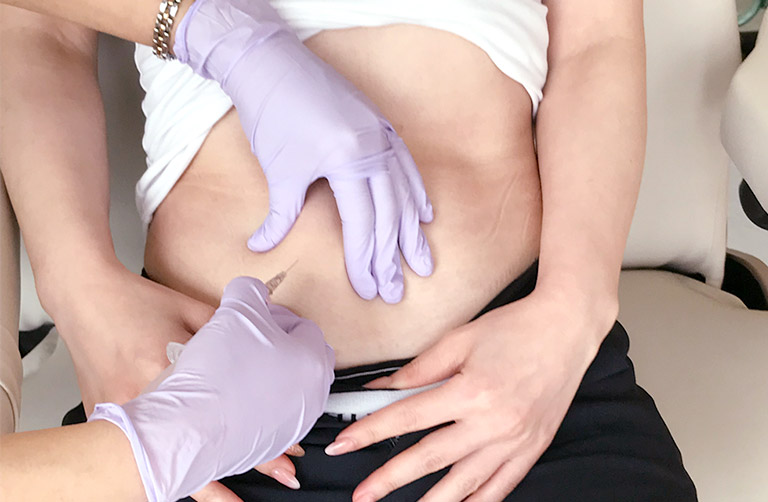
The cultured autologous stem cells are injected into or applied directly to the skin. The treatment is painless, and side effects are rare. Throughout the treatment process, a specialist physician continuously monitors the patient’s condition and responds appropriately. The specialist physician also provides careful guidance on aftercare.
Aftercare
Progress after treatment is monitored, and additional treatment is provided as needed. Even after treatment, a specialist physician regularly checks the patient’s condition and provides optimal care. Advice on daily skincare, diet, and lifestyle habits is also provided, offering comprehensive support for the patient’s health.
Clinical Studies and Results
The effectiveness of treatment using autologous cultured stem cells has also been confirmed in clinical studies. Below are some of the results.
Improvement Rate
In clinical studies, symptom improvement was observed in many patients. Reductions in itching and dryness were particularly notable, significantly improving patients’ quality of life. Many patients who received treatment have been able to enjoy a more comfortable daily life thanks to their improved symptoms. This high improvement rate demonstrates the effectiveness of autologous cultured stem cell treatment.
Side Effects
Because autologous cultured stem cells use the patient’s own cells, very few side effects have been reported. The treatment is highly safe and can be applied to a wide range of patients. Side effects reported during treatment have mostly been minor, and special care after treatment is rarely needed. This makes autologous cultured stem cell treatment suitable even for patients who require long-term treatment.
Long-Term Effects
Symptom improvement has been reported to persist over a long period following treatment. This makes it possible to help prevent recurrence and maintain healthy skin over the long term. Many patients who received treatment report lasting improvement, with a significant reduction in the frequency of flare-ups. These long-term effects highlight the sustained benefits of autologous cultured stem cell treatment.
Treatment at BiOSTYLE Clinic
BiOSTYLE Clinic offers cutting-edge treatment using autologous cultured stem cells. Our experienced physicians develop an optimal treatment plan for each individual patient, providing safe and effective care. Many patients struggling with atopic dermatitis have significantly improved their quality of life through treatment at our clinic. To help prevent recurrence and maintain healthy skin over the long term, please feel free to consult BiOSTYLE Clinic. Our specialist physicians will provide the optimal treatment tailored to your symptoms.