
Regenerative Medicine’s Approach to Joint Pain and Tendinitis
With the rapid spread of regenerative medicine, it has become possible to fully resolve conditions such as joint pain and tendinitis without surgery. The latest treatments are becoming established for people who have tended to give up on chronic pain simply because of their age.
There are currently as many as 30 million people with joint pain in Japan, yet many of them have given up on the idea of a full recovery. Typically, even after seeing a doctor, patients are simply given a pain-relief patch rather than substantive treatment. And when the pain returns, they tend to write it off as an inevitable part of aging.
In recent years, regenerative medicine for joint pain has become available, making joint pain a condition that can genuinely be resolved. Stem cell therapy, the same kind used to treat the elbow of a famous Japanese Major League player, is also drawing attention. There is therefore no need to resign yourself to joint pain simply because of your age.
The cause of joint pain is also worth addressing. It’s often assumed to result from worn cartilage, but cartilage itself has no nerves, so it cannot actually hurt on its own. In fact, as cartilage wears down, the surrounding tissue becomes unstable, and this instability in the joint is what causes pain and inflammation.
When joint pain triggers repeated inflammation, the synovial membrane, which works to repair the joint, overreacts and begins to swell. With long-term joint pain, you naturally want to rest the joint and avoid moving it, but this can cause ligaments to stiffen and muscles to lose flexibility, which can actually make the pain worse. This is how people end up suffering from chronic “joint pain.”
Joint pain can sometimes ease up in its early stages, but if it isn’t fully resolved, it can become progressively more severe. For example, if you feel joint pain that resolves within a few days and doesn’t recur, it’s likely due to temporary inflammation of the synovial membrane. However, if the pain persists or recurs, it’s likely that the inflammation is ongoing. In this case, a detailed examination such as an MRI or X-ray is needed, and early detection and treatment are important. Because regenerative medicine can increase the likelihood of a full recovery, please see a medical institution promptly if you notice anything unusual.
A similar condition, tendinitis, involves inflammation of the tendons that transmit muscle movement. Because ligaments and joints are located close together, it can sometimes be difficult to distinguish between these conditions, but the treatment approach doesn’t differ greatly.
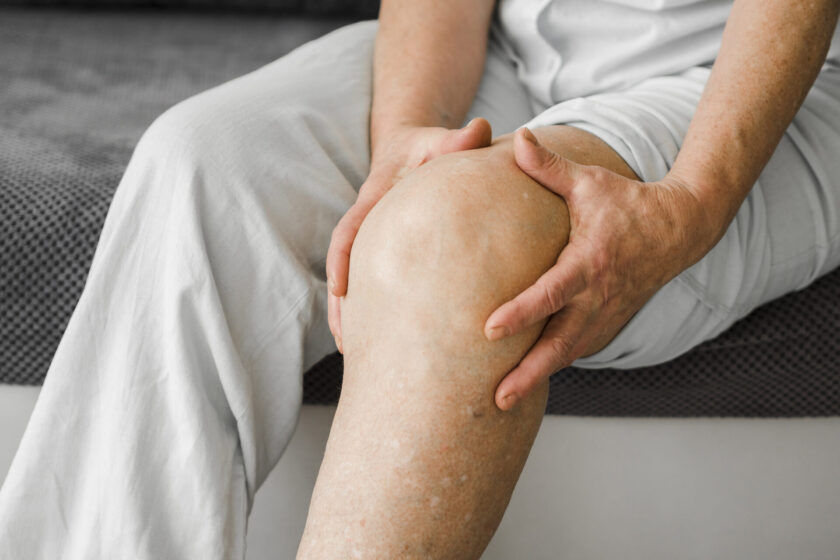
When inflammation is seen around the knee, whether it’s tendinitis or joint pain can vary depending on the situation. Because so much tissue is concentrated around a joint, it is sometimes diagnosed as joint pain.
Hyaluronic Acid Injections Offer Only Short-Lived Relief
The human body has a mechanism called homeostasis that keeps its internal state stable. In typical joint pain treatment, pain relievers or patches are used to ease the pain while homeostasis works to repair the tissue. Reducing pain and introducing appropriate movement to the affected area through rehabilitation helps promote the process by which muscles and other tissue return to a normal state.
Rehabilitation includes both physical therapy and exercise therapy (musculoskeletal rehabilitation). “Physical therapy” is a method that uses ultrasound or electrical stimulation to reduce pain, while “musculoskeletal rehabilitation” is a method that conditions the body through training.
Maintaining proper muscle strength and flexibility is important for preventing joint pain. However, people with strong muscles sometimes lack flexibility, while people with good flexibility sometimes lack muscle strength. It’s therefore important to work with a physical therapist to build a well-balanced body.
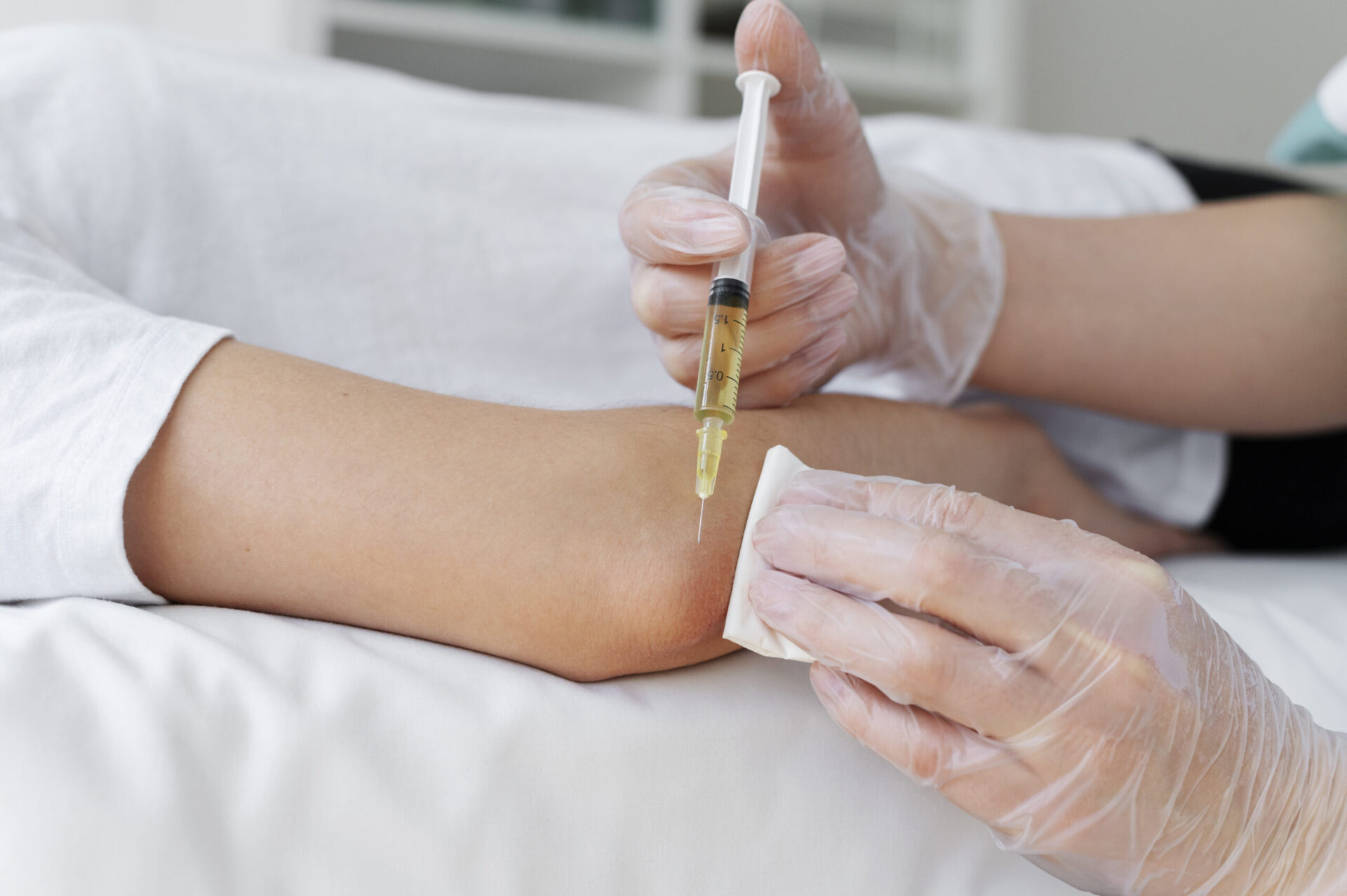
Hyaluronic acid injections are also used as part of joint pain treatment. By supplementing the hyaluronic acid naturally found in joint fluid, they are expected to smooth joint movement and reduce pain. However, depending on how far the joint pain has progressed, the effect can sometimes be only temporary.
The Drawbacks of Artificial Joints
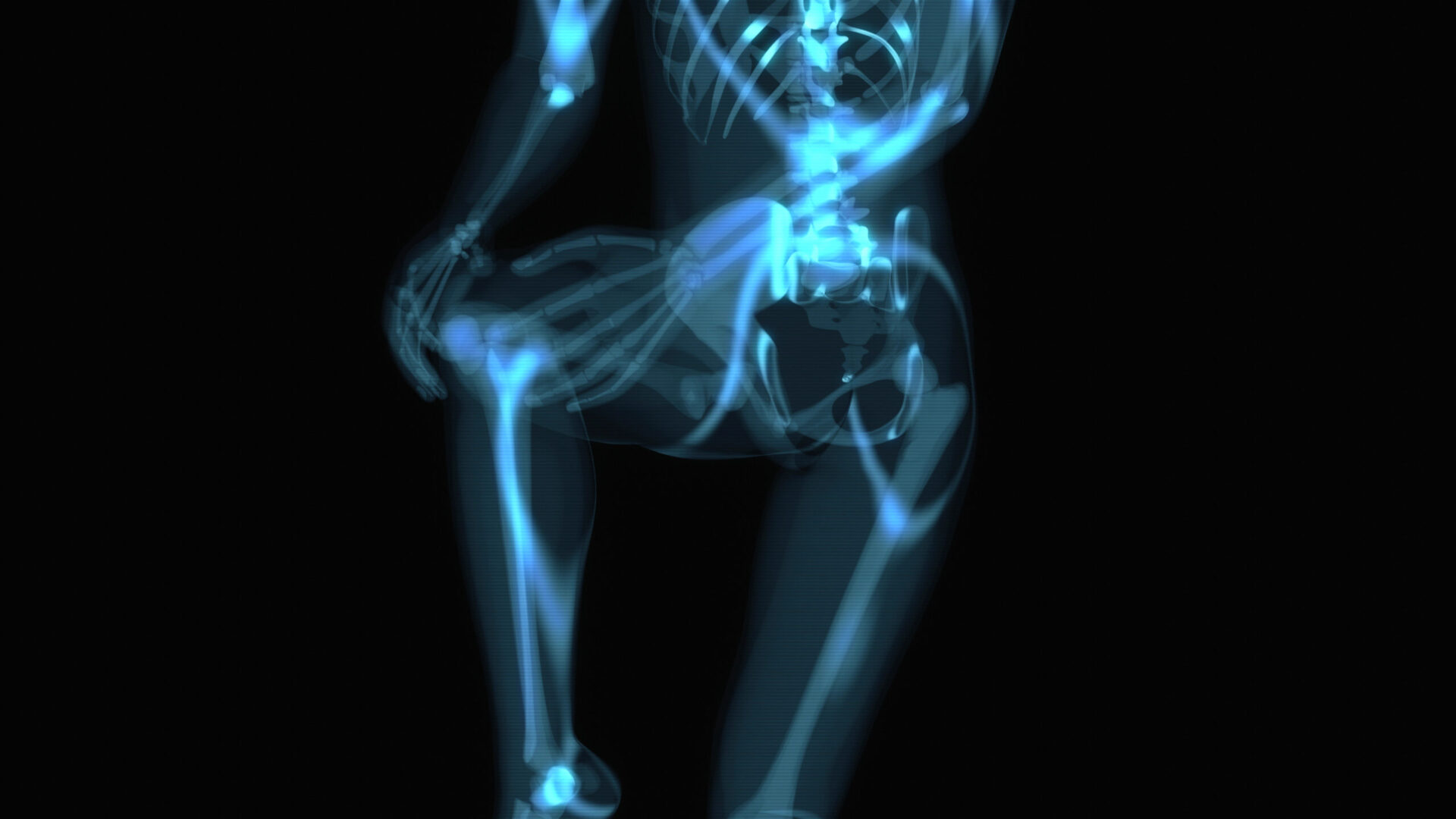
Artificial joint surgery is generally performed to treat severe joint pain where nearly all the cartilage has worn away. Artificial joint technology has advanced considerably. However, artificial joint surgery does come with a few drawbacks. For example, as an artificial joint wears out, revision surgery becomes necessary, and each time, a larger portion of bone must be shaved away. In addition, you’re confined to bed rest for a certain period after surgery. This carries a particular risk of muscle weakness or rapid decline from inactivity for older patients. You also typically need to stay away from work and home life for an extended period after surgery, often placing major restrictions on daily life. For this reason, many people would prefer to avoid this kind of treatment if at all possible.

The Same-Day Regenerative Medicine Used by a Famous Major League Player
In addition to stem cell therapy, regenerative medicine also includes a method called PRP therapy (Platelet-Rich Plasma therapy). PRP, or platelet-rich plasma, is rich in nutrients that promote the growth of new tissue and cells. In this treatment, PRP is extracted from the patient’s own blood and injected into the affected area, attracting stem cells and helping suppress inflammation and promote tissue repair. PRP therapy is highly safe and can be performed on a same-day basis. Because it also allows for a quick response to injury, it is widely used in the treatment of athletes as well.
For example, a famous Japanese Major League player is said to have used PRP therapy together with stem cell therapy. While PRP therapy has the effect of attracting stem cells, combining it with stem cell therapy is expected to produce an even more effective result. There is also a treatment called extracorporeal shock wave therapy. Originally used to break up kidney stones, this method adjusts the output of shock waves and directs them at the affected area, helping to activate cellular tissue. In patients suffering from knee synovitis, this treatment has been reported to reduce swelling and ease pain within just a few minutes.
Stem Cell Therapy Can Now Also Be Performed the Same Day
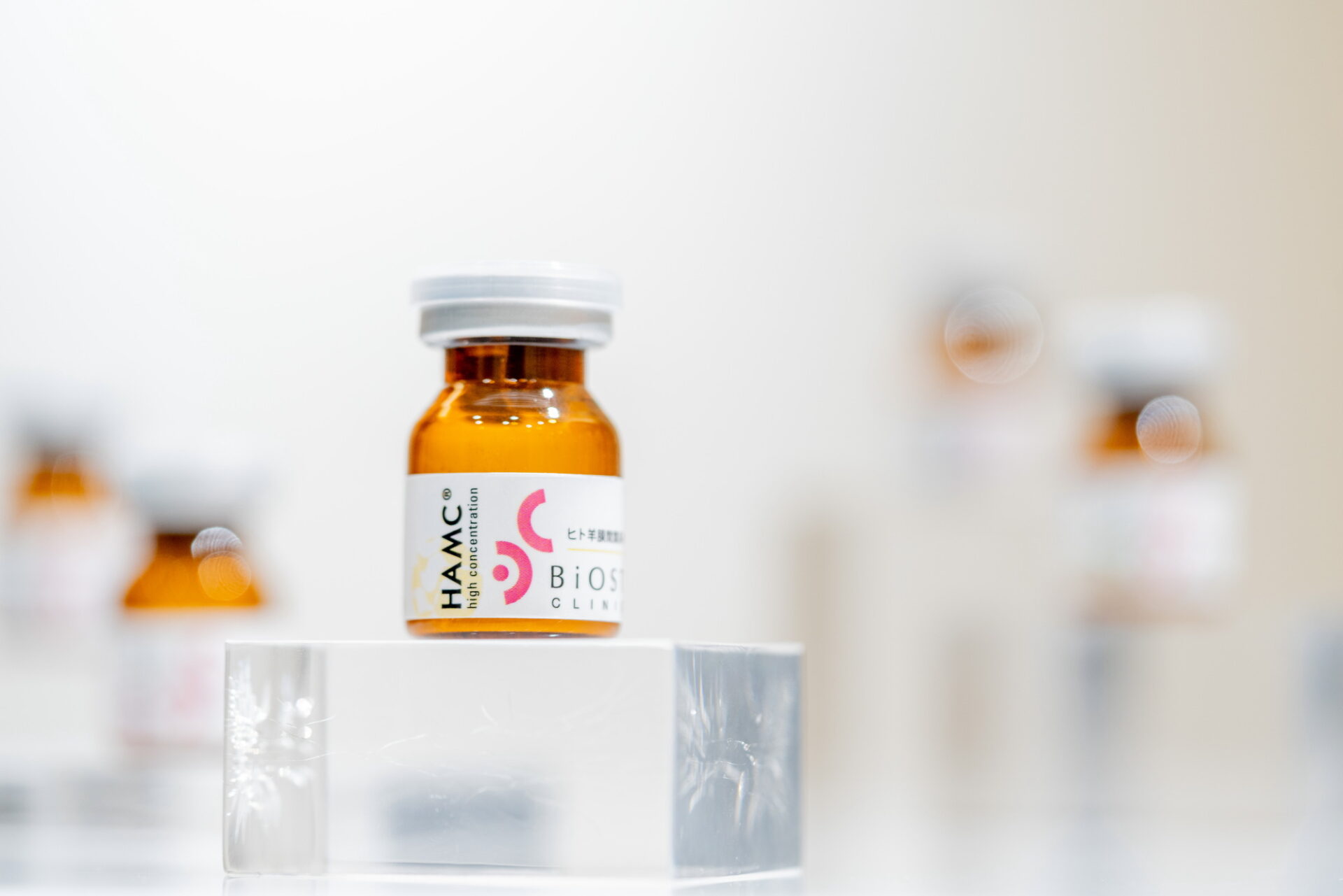
Stem cell therapy is a groundbreaking treatment, but it has the drawback that collecting and culturing cells takes time. It is now known that using another person’s stem cells poses no technical or safety issues. However, due to legal restrictions, using another person’s stem cells for purposes other than research is almost never permitted.
If the law were revised, treatment using another person’s stem cells could become possible, potentially speeding up treatment and enabling lower costs. In the future, we may see a time when anyone who notices their knee isn’t feeling right can casually visit a clinic and receive stem cell therapy.
Even after stem cell therapy has treated joint pain, the pain can sometimes recur due to lifestyle factors such as lack of exercise or poor nutrition. For example, poor body balance places extra strain on the lower back and knees simply from walking. To address these kinds of issues, it’s important to seek advice from a professional trainer or physical therapist and learn correct posture and movement. Because it’s difficult to objectively assess your own posture and gait, receiving advice from a specialist is valuable.

Even a Simple Shoulder Rotation Can Help Prevent Joint Pain
Regular exercise is important for maintaining health, but many working professionals may find it difficult to make time to exercise on weekdays. For these people, being mindful of simple movements during work can activate joint movement and help prevent joint pain.
For example, simply standing up every 20 minutes, or placing your hands on your shoulders and rotating your elbows, can help. Walking during your commute or around the office also counts as good aerobic exercise. Try to be proactive about walking — take the stairs instead of the escalator, or get off one stop early on your way home. It’s also a good idea to keep a foam roller (a long, cylindrical exercise tool) at home and lie on your back on top of it. Simply stretching your arms overhead while lying on the roller opens up the rib cage and helps normalize the curve of the spine, making it an effective stretch to do before bed.
On the other hand, people who already exercise regularly can sometimes injure their joints from overloading them. Training can feel more effective the harder you push yourself, but it’s important to train with the correct form and an appropriate load. Having a specialist guide your training method can help you develop an effective training approach.
Regenerative Medicine Is an Ideal Treatment That Requires No Surgery
People who are overweight tend to place more strain on their joints, making them more prone to joint pain. However, rather than simply cutting back on food to lose weight, it’s also important to maintain adequate muscle mass. When muscle is insufficient, joint strength declines, placing extra strain on the joints.
Balancing a healthy diet with appropriate training is important, and getting enough protein and amino acids in particular matters. Chicken breast and soybeans, for example, are rich in protein and amino acids, so it’s a good idea to incorporate them into your diet. If you still find it hard to get enough, taking readily available protein supplements is also a good approach.
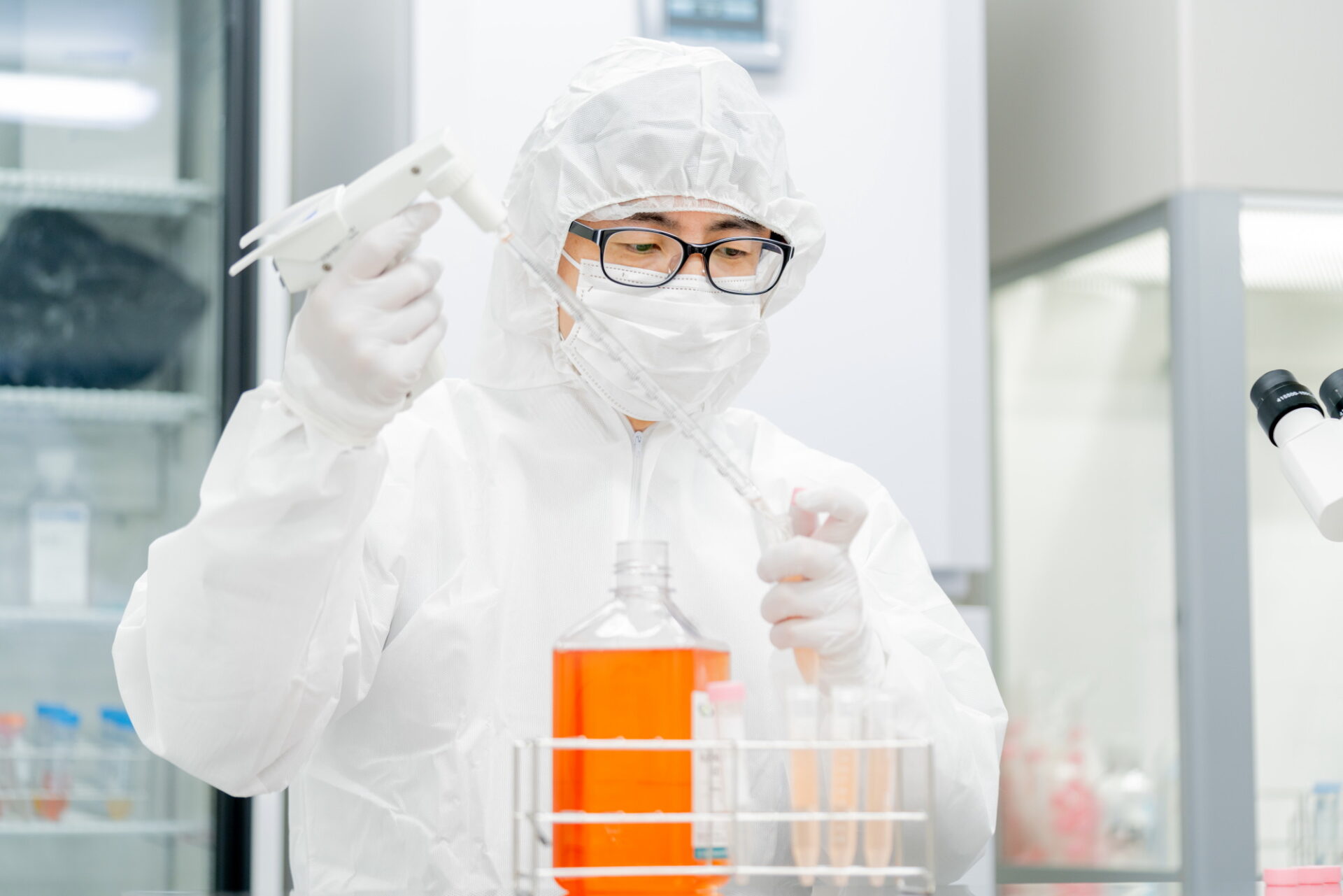
In addition, even conditions once thought difficult to fully resolve can now be treated using regenerative medicine. BiOSTYLE Clinic offers local injections of stem cell culture supernatant into joints such as the knee, making effective treatment possible without surgery. That said, treatment alone isn’t enough — it’s also important to review your daily habits. Getting an outside perspective from a physical therapist or other specialist can help you learn a regular diet and proper body mechanics. Even if you don’t have much time, taking care of your body within a reasonable range — such as stretching at the office or at home — can help prevent joint pain and tendinitis.
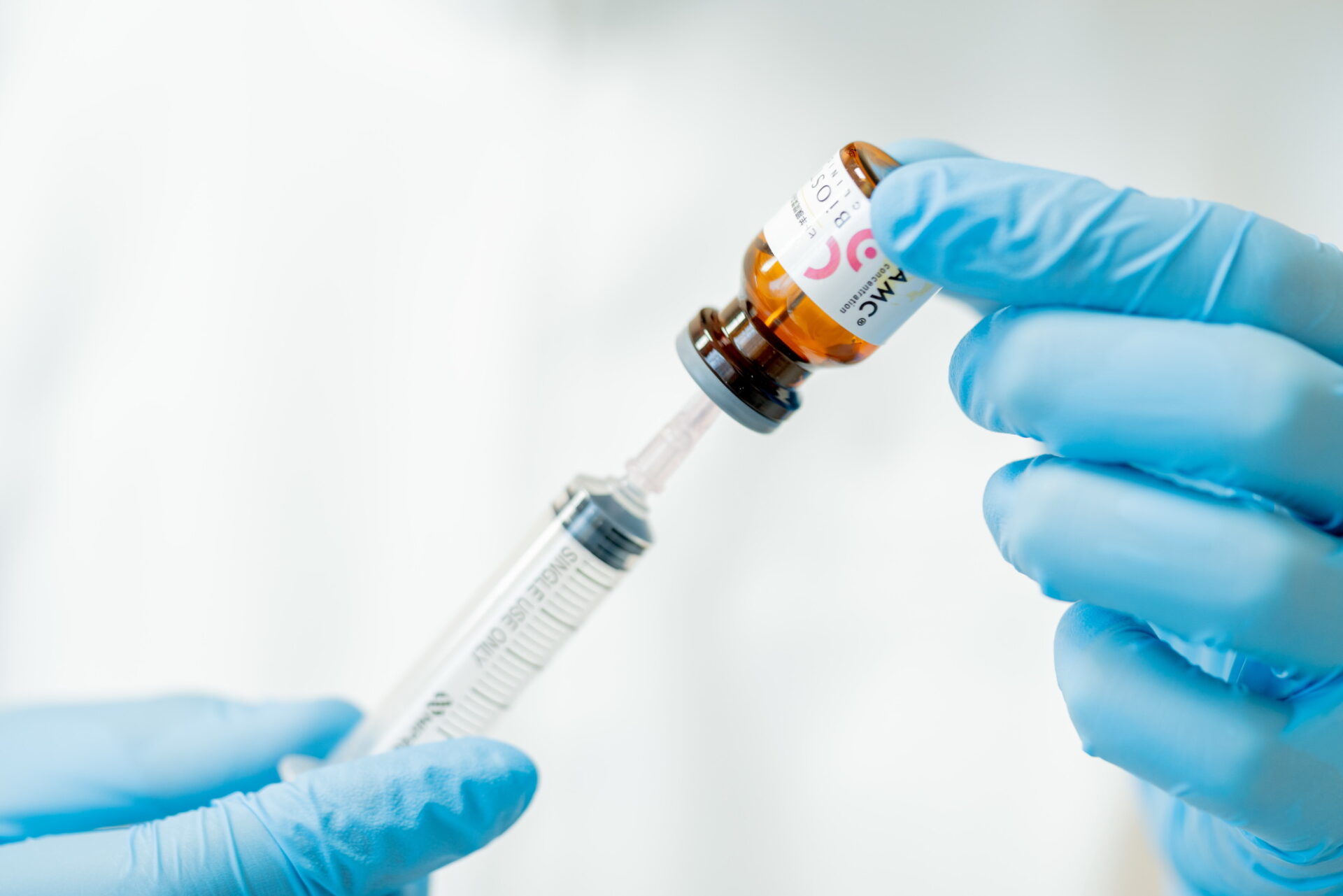
Subcutaneous Injection of Stem Cell Culture Supernatant
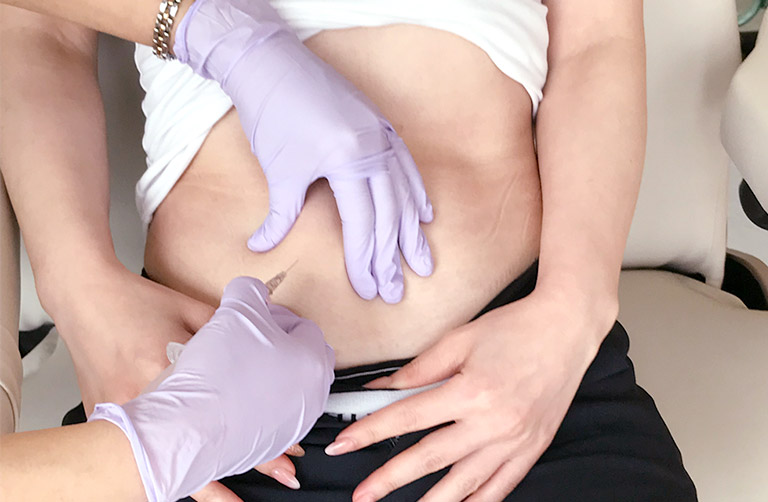
BiOSTYLE Clinic offers subcutaneous injection of stem cell culture supernatant as a treatment for joints. This treatment relies on the effects of the cytokines and exosomes contained in the culture supernatant obtained during the cell culturing process, and is also known as “cytokine therapy.” Cytokines are proteins secreted by cells, involved in immunity, inflammation, cell differentiation and proliferation, and wound repair. By extracting the supernatant from the culture fluid and injecting it into the affected area, it is expected to help reduce inflammation and pain and promote the repair and regeneration of damaged cells.
As regenerative medicine has advanced, treatment options have increased, but every treatment comes with not just benefits but also points to be aware of and certain risks. When proposing the appropriate treatment for your particular symptoms, we make sure to explain these points and risks thoroughly. Let’s work together to find a treatment you feel confident about.